

Hyundai and Kia Target 25% Fleet Fuel Economy Gain by 2020
The South Korean manufacturers plan to overhaul engines, transmissions and vehicle weight to meet stricter emissions rules in major markets by the end of the decade.
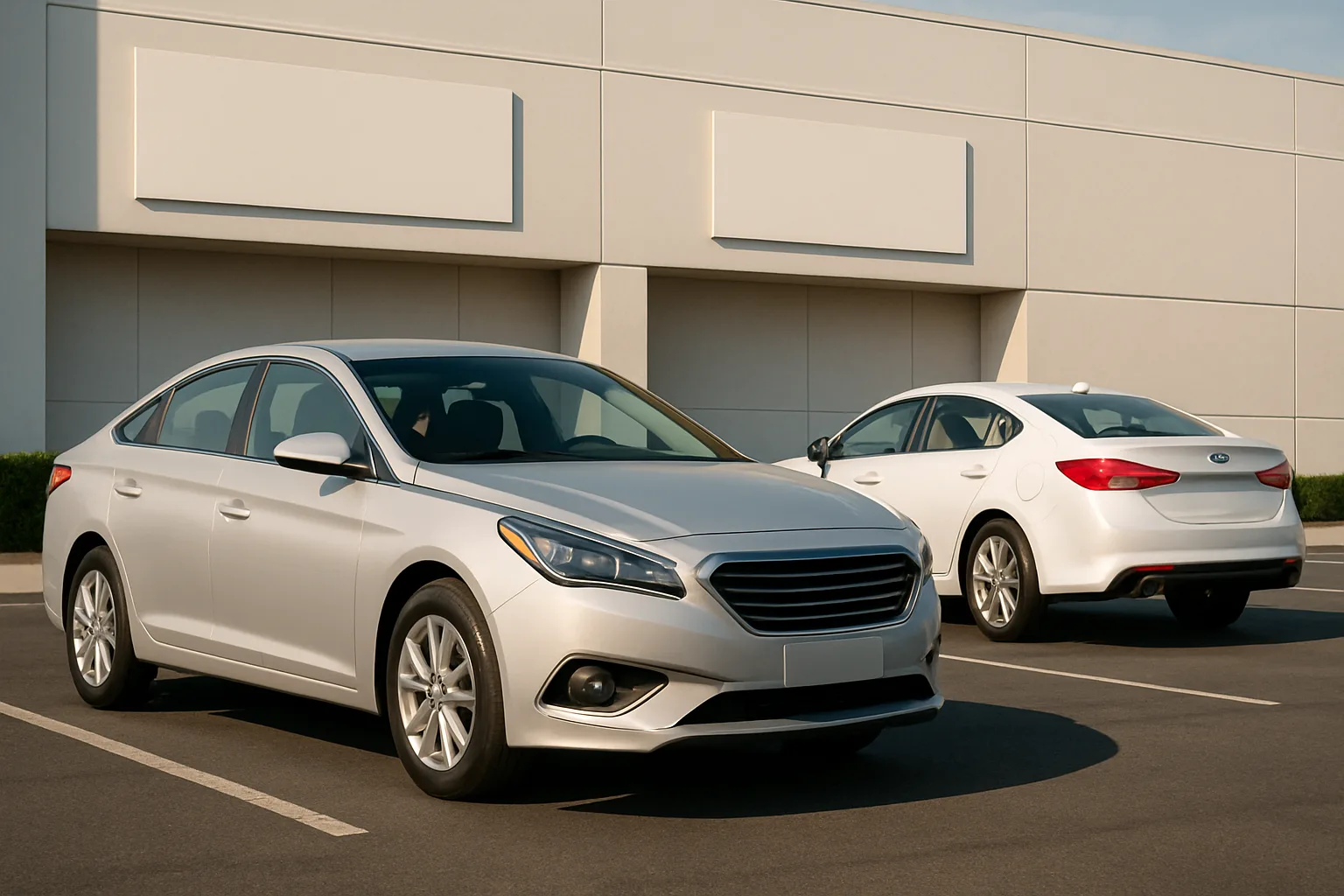
Hyundai Motor and Kia Motors have announced plans to raise the average fuel economy of their global vehicle fleets by 25 percent before 2020, responding to tightening emissions regulations in South Korea, the United States and Europe. The move comes as both companies seek to restore consumer trust after a high-profile penalty for overstated fuel economy figures in the US.
The manufacturers said their target would require a major overhaul of powertrains and vehicle architecture. According to their statement, about 70 percent of the group’s ten petrol and diesel engines will be replaced with next-generation units. Turbocharging will be expanded across the petrol engine range, and new advanced transmissions are under development to complement the revised engines.
Reducing vehicle weight is another cornerstone of the strategy. Hyundai and Kia plan to use more high-strength steel from affiliate Hyundai Steel, aiming to cut mass without compromising safety. The companies also intend to accelerate development of environmentally friendly models, including hybrids and fuel cell vehicles, to help reach the new targets.
Regulatory pressure and market competition
The decision follows a period of regulatory scrutiny. In 2014, Hyundai and Kia agreed to pay $350 million in penalties to US authorities after admitting to overstating fuel economy figures on several models. The episode damaged their reputation in the world’s most competitive car market, prompting a renewed focus on delivering real-world efficiency gains.
At the same time, both companies are under pressure in South Korea, where imports have gained ground thanks to free trade agreements and the popularity of fuel-efficient diesel models from European brands. The 25 percent improvement target is designed to ensure Hyundai and Kia remain competitive as emissions limits tighten and buyers place greater emphasis on running costs.
How Hyundai and Kia plan to deliver the gains
- Replacing most existing petrol and diesel engines with new, more efficient designs.
- Expanding turbocharging across the petrol engine range.
- Developing advanced transmissions to improve efficiency.
- Increasing use of high-strength steel to reduce vehicle weight.
- Growing the range of hybrids, plug-in hybrids and fuel cell vehicles.
The group’s chairman, Chung Mong-koo, has instructed engineers to achieve what the company calls “world-leading competitiveness in fuel economy” by 2020. While Hyundai and Kia typically share most key components, each will tailor its approach to different markets and vehicle segments.
Hyundai and Kia’s ambition is in line with global trends, as manufacturers face stricter carbon dioxide and fuel economy standards. Progress across the industry has been mixed, with some countries and brands lagging behind stated targets. For broader context on global efficiency progress, seethis analysis of worldwide fuel economy trends.
Hyundai and Kia have not detailed the expected cost of the programme or how the improvements will be distributed across individual models. The companies have previously said they expect next-generation engines and transmissions to be phased in over several years, with lighter bodies and electrified options arriving as new models launch.
The effectiveness of these measures will become clearer as new vehicles reach showrooms and official fuel economy figures are published. For now, Hyundai and Kia’s 25 percent improvement target sets a clear benchmark for the group’s engineering and product planning teams.



