Hyundai to Launch First Battery Electric Car in 2016
Hyundai will introduce its first battery-powered electric vehicle in 2016, shifting from its fuel-cell focus and following Kia’s earlier move into EVs.
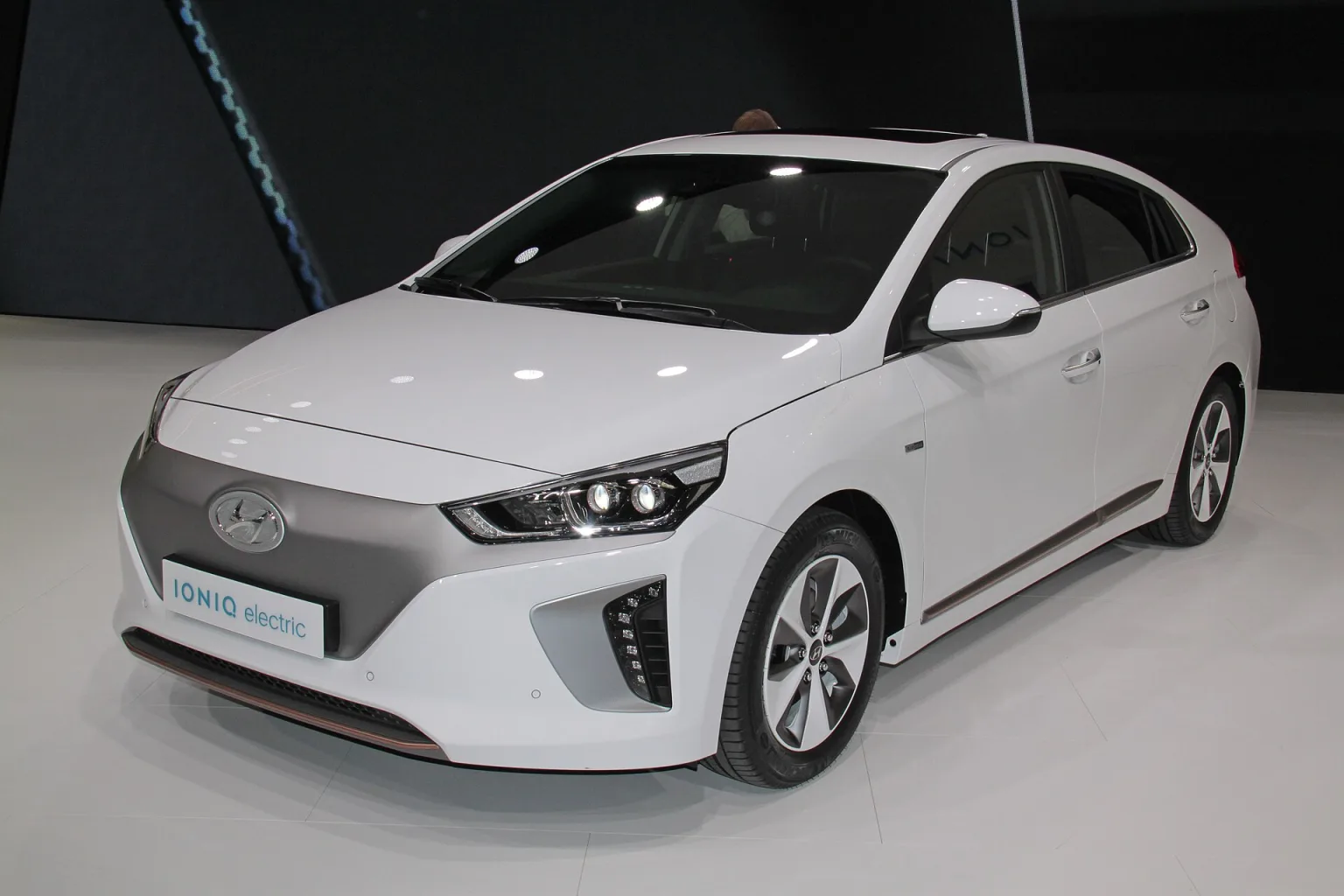
Hyundai Motor has confirmed it will launch its first battery-powered electric vehicle in 2016, marking a major shift from the company’s previous focus on hydrogen fuel-cell technology. The move follows the path set by Kia, Hyundai’s affiliate, which began exporting the Soul EV in 2014.
Senior Vice President Lee Ki-sang announced the plan at the Korean launch of the Kia Soul EV, stating that Hyundai is preparing to enter the battery-electric segment after years of concentrating on hydrogen models such as the ix35 Fuel Cell. The company’s approach had been to divide roles: Hyundai on fuel cells, Kia on battery EVs. That distinction is now fading as battery-powered vehicles gain traction globally and rivals like Nissan and BMW expand their electric offerings.
Hyundai’s first all-electric model will be a mid-sized sedan, according to company officials. The car is expected to weigh about 30 percent less than current hybrid EVs, thanks to lighter materials and improved battery management. LG Chem has been contracted to supply batteries for the vehicle through to 2018, while SK Innovation will provide batteries for future electric SUVs. Albert Biermann, recruited from BMW, will oversee design for the new EVs.
Kia’s Soul EV Sets the Template
Kia, 34 percent owned by Hyundai, began production of the Soul EV in 2014, targeting global sales of 5,000 units in its first year. The Soul EV uses a 27 kWh lithium-ion polymer battery and claims a range of up to 200 kilometres, with fast charging taking between 24 and 33 minutes. In Korea, government subsidies halve the Soul EV’s 42 million won price tag, making it comparable to higher-end petrol models. The Soul EV’s export markets include the United States and Europe.
Battery Sourcing and Production Plans
Hyundai’s first battery EV will use batteries from LG Chem, with the supply contract running until 2018. For electric SUVs, Hyundai has agreed a separate battery supply deal with SK Innovation, aiming to diversify its sourcing channels. The company plans to expand its plug-in hybrid range to 12 models by 2020, up from four in 2014.
The company’s decision to enter the battery EV market comes as global demand for electric vehicles remains modest. In Korea, sales of battery-powered cars such as the Kia Ray EV, Renault SM3 EV and Chevrolet Spark EV reached just 713 units in 2013. Hyundai’s own BlueOn electric car has been limited to government fleets. Despite this, Hyundai sees a broader EV line-up as essential to keeping pace with international competitors and tightening emissions regulations in key markets.
What It Means for Hyundai’s Future Line-Up
The launch of a battery-powered sedan in 2016 is the first step in Hyundai’s plan to offer a full range of eco-friendly vehicles, from hybrids and plug-in hybrids to pure electric and fuel-cell cars. The company has also indicated plans for future electric sports cars and SUVs. The expansion into battery EVs reflects the uncertainty over which green technology will dominate, with Hyundai now hedging its bets across multiple propulsion systems.
Hyundai’s move follows a wider trend among global manufacturers, with battery EVs from Nissan, BMW and others entering the Korean market. As the company prepares its 2016 launch, it will face competition from established electric models and the ongoing challenge of limited charging infrastructure and high battery costs.
- Hyundai’s first battery EV: mid-sized sedan, due 2016
- Kia Soul EV: launched 2014, 27 kWh battery, 200 km range
- LG Chem to supply Hyundai’s batteries through 2018
- Expansion into electric SUVs with SK Innovation batteries