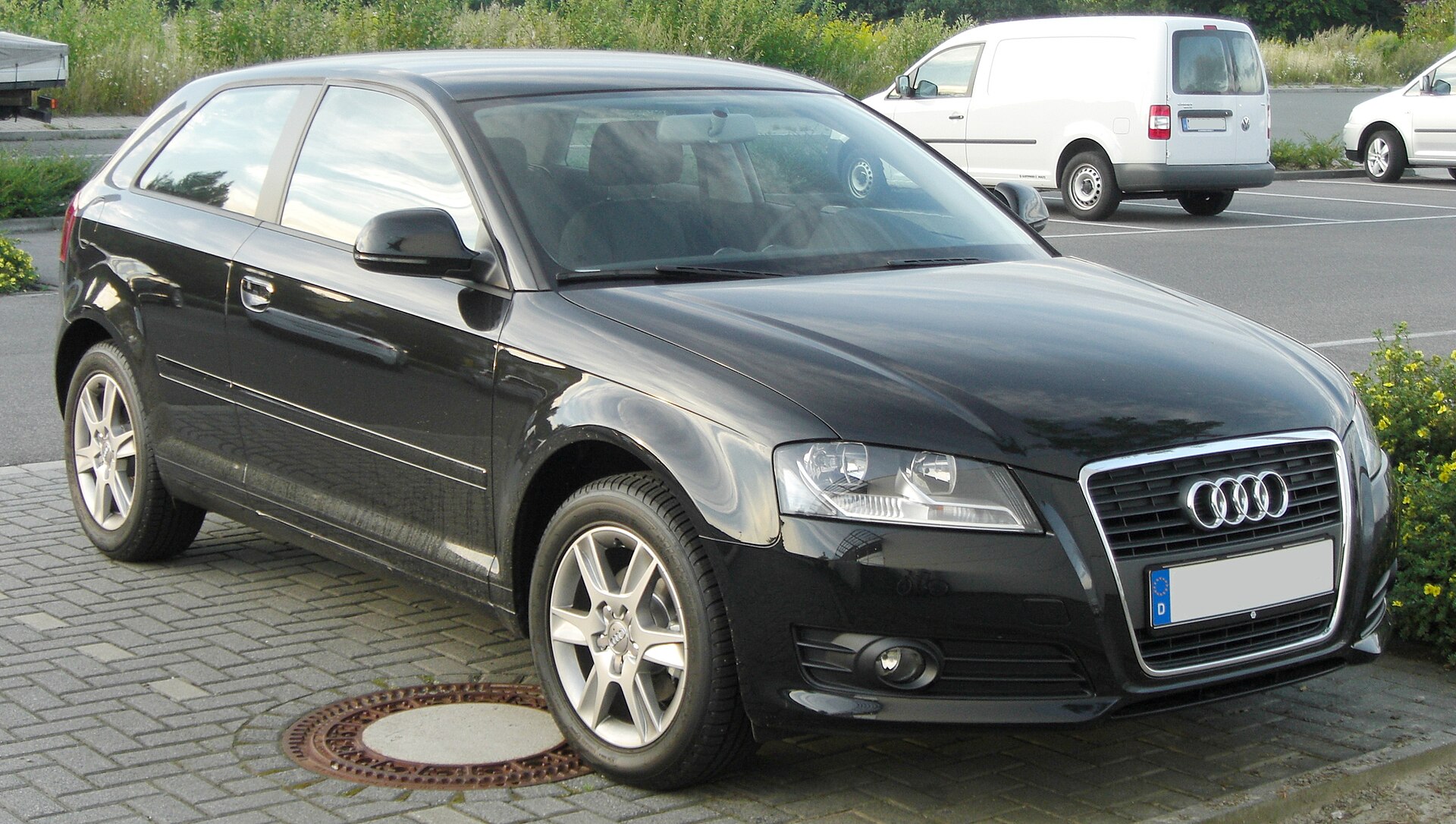
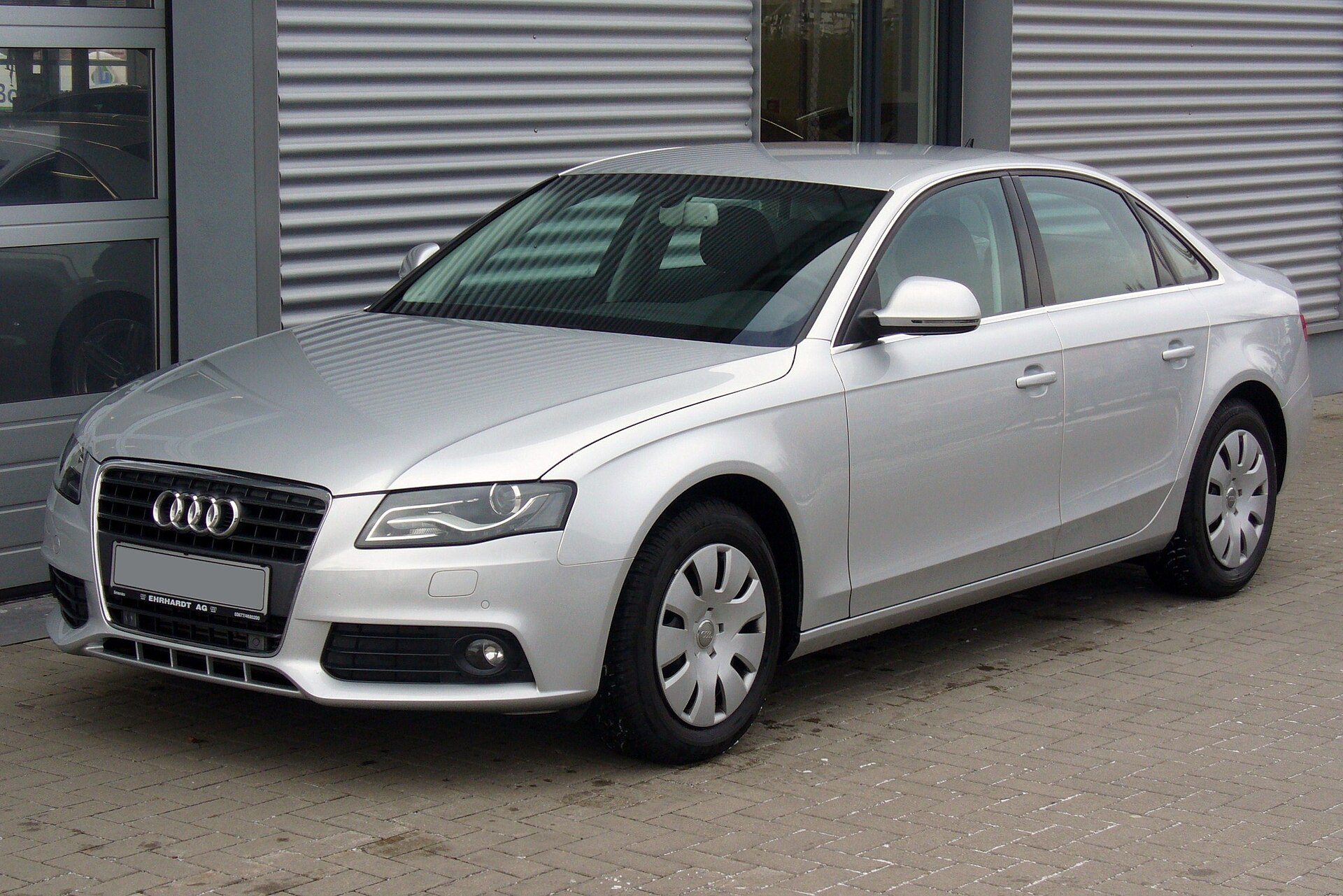
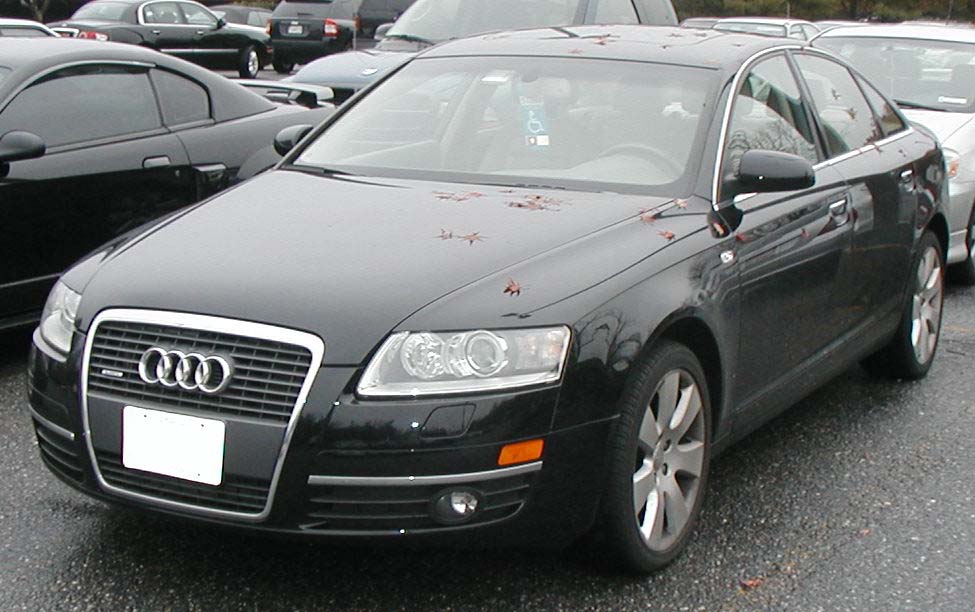
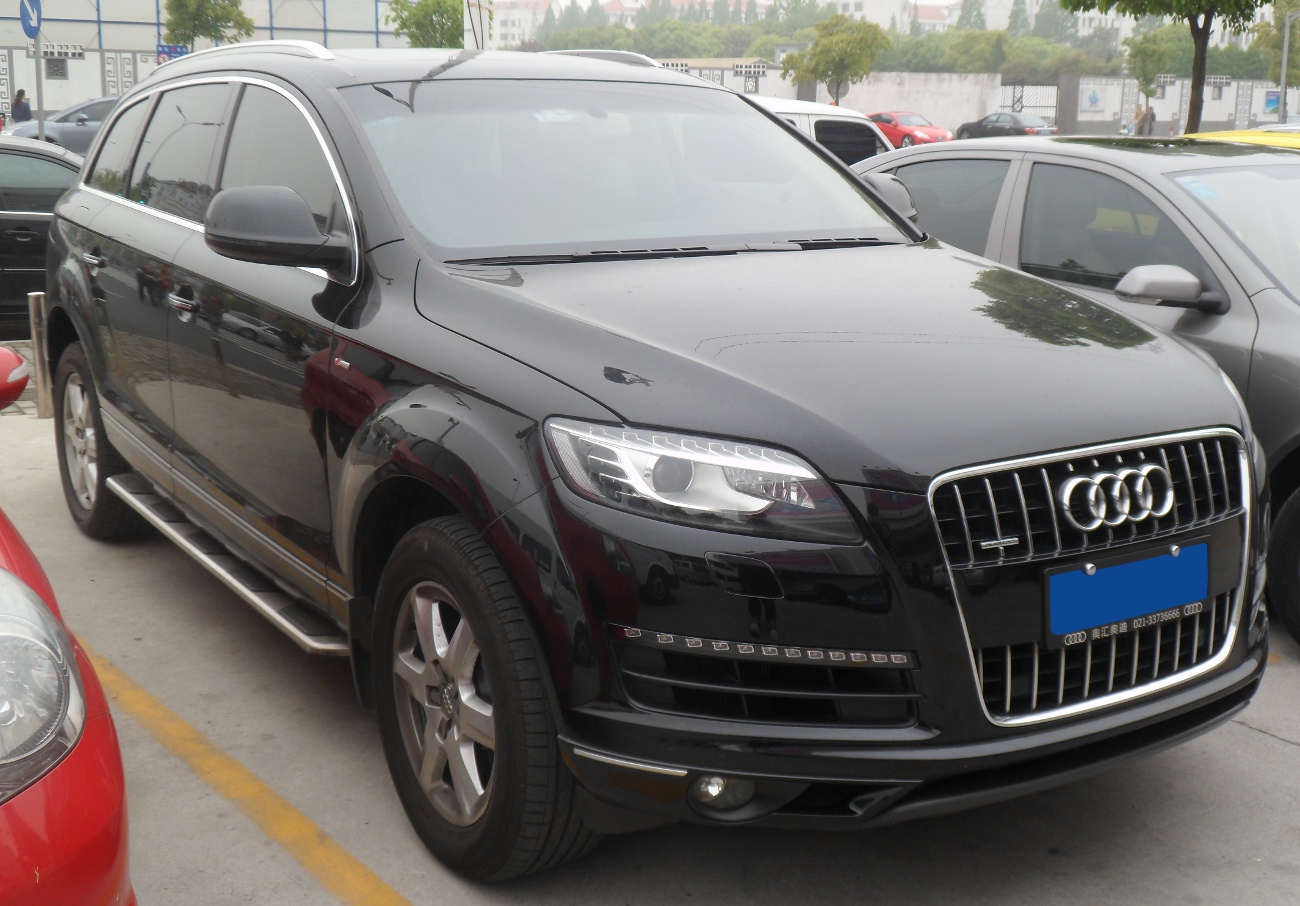
Four Audi Models Secure IIHS Top Safety Pick Awards for 2009
The Insurance Institute for Highway Safety recognised the Audi A3, A4, A6 and Q7 for strong crash protection and standard electronic stability control.
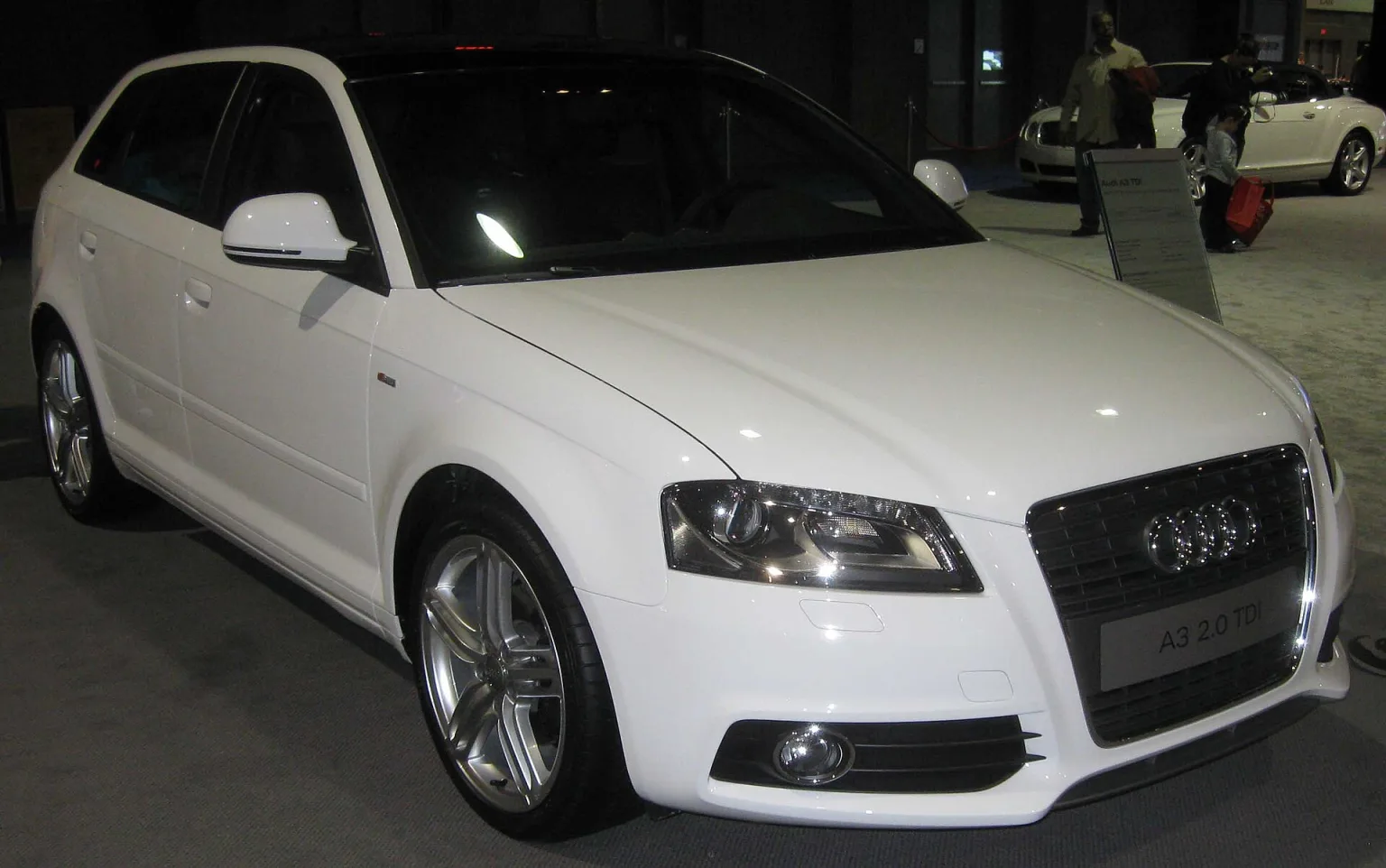
Audi’s A3, A4, A6 and Q7 models have been awarded the Insurance Institute for Highway Safety’s (IIHS) Top Safety Pick for the 2009 model year, recognising their performance in crash tests and their standard fitment of electronic stability control. The announcement places Audi among the leading European manufacturers for occupant protection in the US market at the time.
The IIHS Top Safety Pick was awarded to vehicles that best protected occupants in front, side and rear collisions. For 2009, only vehicles with electronic stability control as standard were eligible, reflecting growing evidence of its impact on reducing real-world crash rates. Audi’s four recognised models all met this requirement.
Crash Test Performance and Safety Criteria
To earn the Top Safety Pick, vehicles underwent a series of crash tests. The front crashworthiness evaluation involved a 40 mph offset collision, measuring both the level of intrusion into the occupant compartment and the forces recorded by crash test dummies. Side impact performance was assessed by striking the vehicle with a moving barrier at 31 mph, simulating a typical intersection collision. The rear evaluation focused on the geometry and effectiveness of head restraints, with vehicles then struck from behind at 20 mph to gauge whiplash protection.
Audi’s A3, A4, A6 and Q7 all achieved ratings of "good" or "acceptable" in these tests, qualifying them for the award. The A4, in particular, was highlighted as an all-new model for 2009, showing Audi’s continued emphasis on integrating crash protection into new designs.
Impact for Buyers and Audi’s Position
For buyers in the US luxury segment, the IIHS awards provided a clear benchmark for safety. Audi’s performance put it ahead of several European rivals in the 2009 rankings. The inclusion of both saloon and SUV models, A3, A4, A6 and Q7, meant the brand’s safety credentials extended across its core range. This was particularly relevant for families and fleet buyers, who often prioritised proven crash protection and advanced stability systems.
Audi’s US management described occupant safety as a top priority and credited its engineering teams for embedding safety into new model development. The IIHS recognition added weight to Audi’s marketing in a market where crash test results were increasingly influencing purchase decisions.
Further Information and Related Awards