JD Power Study Predicts India Will Overtake Japan as World’s Third Largest Car Market by 2020
India’s car market is forecast to reach 11 million annual sales by 2020, putting it behind only China and the US, according to a JD Power report.
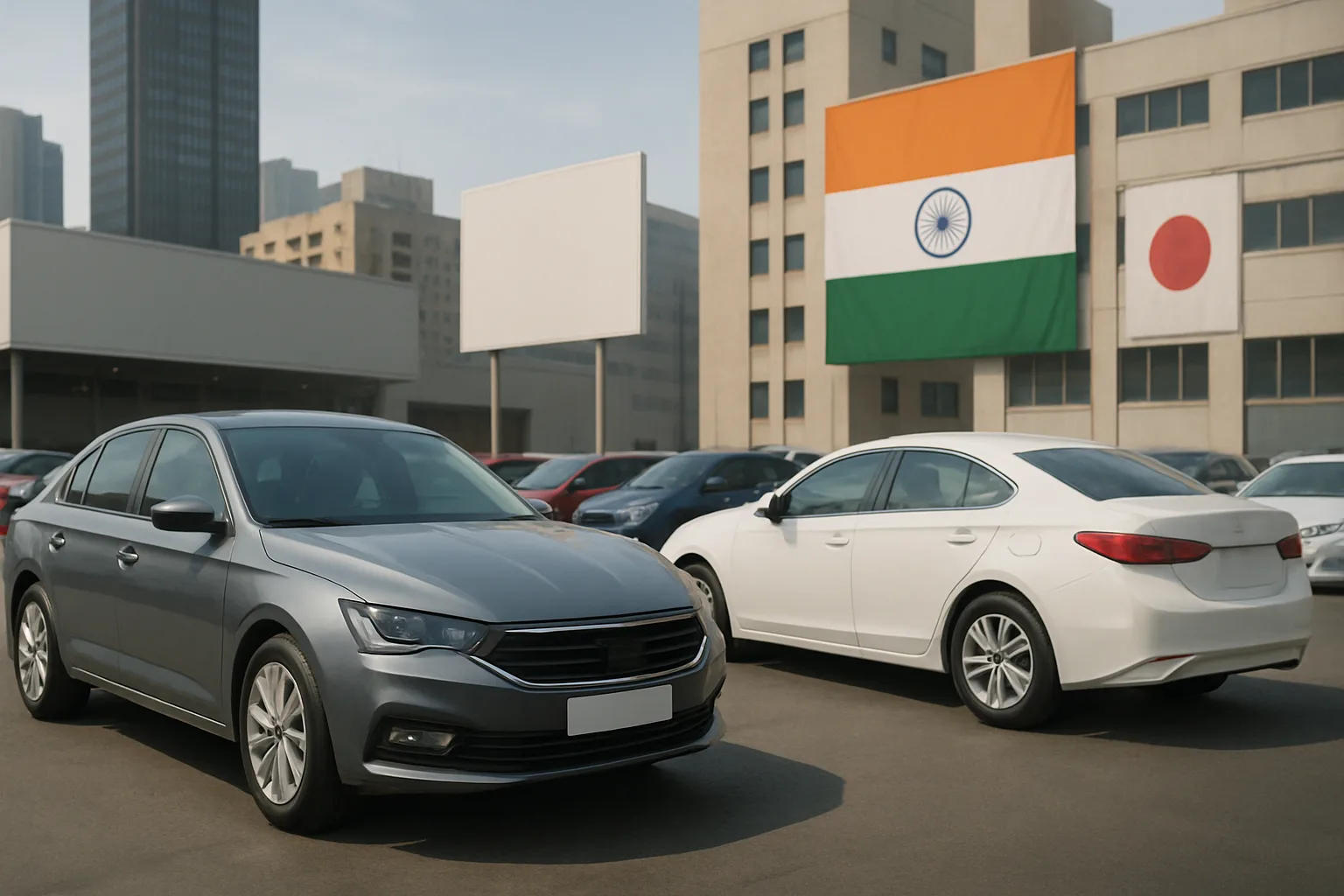
India is on track to become the world’s third largest automotive market by 2020, overtaking Japan, according to a study by JD Power and Associates. The report, titled “India Automotive 2020: The Next Giant from Asia”, projects that annual vehicle sales in India could reach 11 million by the end of the decade.
In 2010, India was ranked sixth globally, with more than 2.7 million light vehicles sold. Just a decade earlier, in 2000, that figure stood at around 700,000. The JD Power forecast suggests India’s rapid economic growth, urbanisation and a population exceeding one billion will continue to drive demand for private vehicles at an unprecedented rate.
If realised, the projection would place India behind only China and the United States. JD Power expects China to remain the world’s largest car market, with sales of 35 million vehicles in 2020, while the US is forecast to reach 17.4 million. Japan, currently third, would drop to fourth as India’s domestic market expands.
Drivers of growth in India’s car market
The report attributes India’s rise to a combination of factors: a more open, market-driven economy, a growing middle class, and a workforce increasingly willing to spend on private transport. Government support has also played a role, with policies such as reduced sales taxes on small cars and incentives for manufacturers to produce and export from India. This has encouraged global carmakers to localise production and develop models tailored to Indian buyers.
- Economic expansion and rising incomes boost car ownership.
- Urbanisation increases demand for private vehicles.
- Government incentives reduce costs for small cars and support exports.
- Manufacturers invest in local production and India-specific models.
India’s focus on small cars and affordable models has attracted investment from manufacturers seeking growth outside saturated Western markets. Companies such as Maruti Suzuki, Hyundai, Tata Motors and global brands have expanded their Indian operations, while export volumes have also risen as production capacity grows.
Infrastructure and supply challenges remain
Despite the strong growth outlook, JD Power highlights persistent challenges. India faces trade and government budget deficits, as well as an underdeveloped power generation and distribution network. The report notes that improvements in infrastructure and the components industry are essential if India is to sustain high-volume, high-quality vehicle manufacturing and boost exports.
The JD Power study suggests that continued government support and investment in infrastructure will be critical to realising the forecasted growth. Without substantial improvements in power supply and logistics, India’s automotive sector could struggle to meet both domestic demand and export ambitions.
India’s growth in the global context
China’s dominance as the world’s largest car market is expected to continue, with manufacturers such as Volkswagen targeting four million vehicles annually in China by 2018 (see /vw-to-build-4-million-vehicles-in-china). India’s projected rise to third place reflects a broader shift in the centre of gravity for global car sales towards Asia, as Western markets mature and growth slows.
For manufacturers and suppliers, India’s emergence as a top-three market presents new opportunities and challenges. Investment in local capacity, supply chains and infrastructure will be crucial for those aiming to capture a share of India’s expanding car-buying population.