Zero Pollution’s Compressed Air Car Faces Hurdles in US Market
Compressed air cars promised low emissions and cheap running costs, but technical and commercial obstacles have kept Zero Pollution Motors’ US plans on hold.
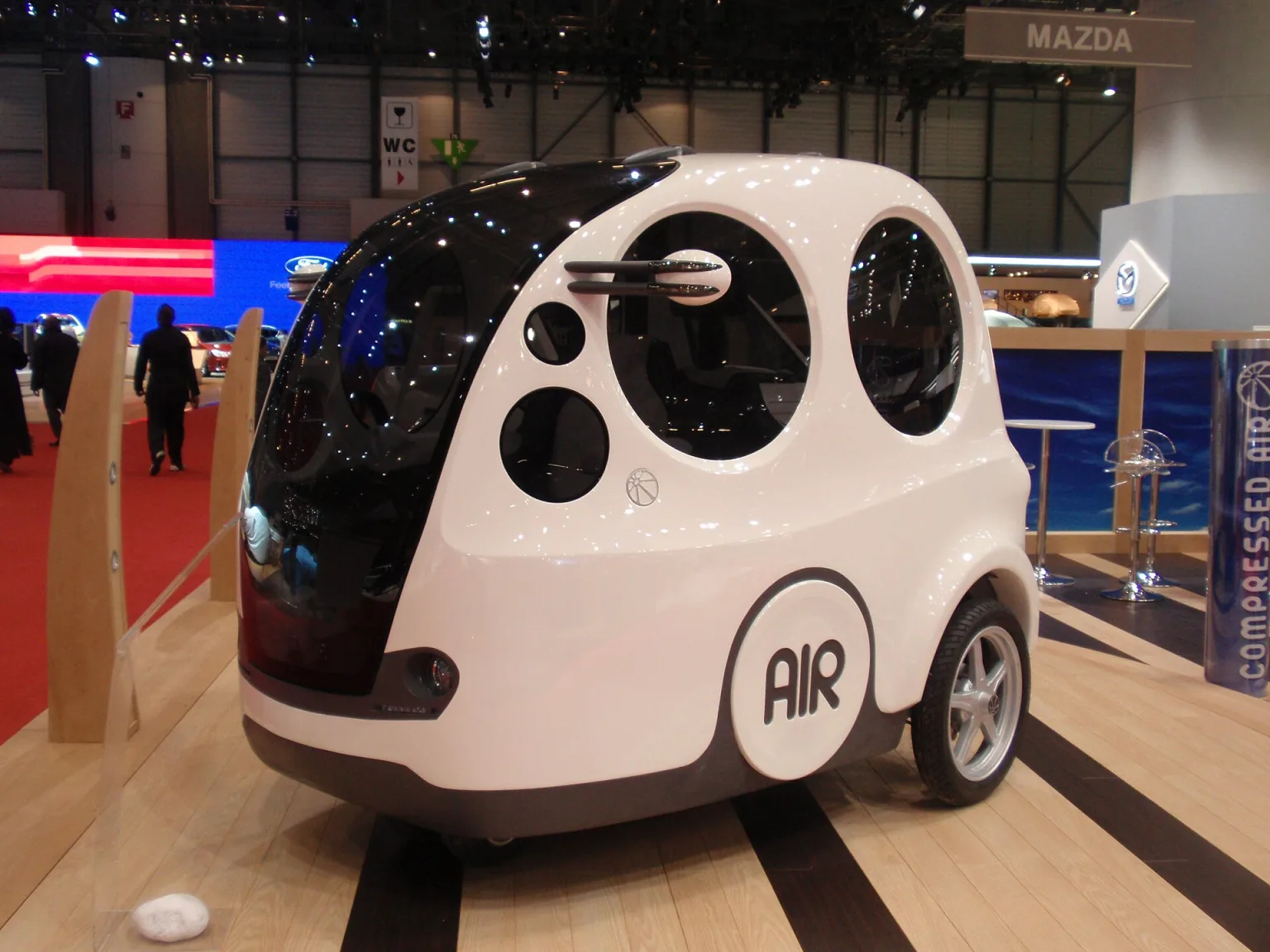
Zero Pollution Motors’ plan to bring a French-designed compressed air car to the United States has stalled, with technical limitations and commercial uncertainty casting doubt on whether the concept will ever reach American buyers.
Compressed air car concept and claims
The vehicle in question, originally developed by Motor Development International (MDI) in France, uses compressed air to move its pistons, producing zero tailpipe emissions. Zero Pollution Motors acquired the US licence for the technology and targeted a launch as early as 2009, promising extremely low running costs and a simple, clean drivetrain.
Compressed air as a motive force is not new. It powered mining locomotives in the 19th century, but was largely abandoned when electric motors proved more effective. Recent attempts to revive the idea for passenger cars have struggled with the same fundamental problems: low energy density and cooling issues.
Technical obstacles and efficiency doubts
Tata Motors, which backed MDI’s efforts in India, acknowledged that compressed air is an energy carrier rather than a fuel. S. Ravishankar, Tata’s vice-president for engineering systems, said in 2009 that any car relying solely on compressed air would face range limitations and engine temperature problems. A tank of compressed air simply does not store as much usable energy as petrol, diesel or even CNG.
Independent studies from UC Berkeley, ICF International and Stanford found compressed air cars less efficient than battery-electric vehicles and, depending on the electricity source, potentially more polluting than conventional petrol cars. They did note that a pneumatic hybrid could compete with hybrid electrics on cost, but a pure air car remained uncompetitive.
Commercial reality and the US licence
Zero Pollution Motors was promoted as the US licensee for MDI’s air car, but there is no evidence it ever delivered a production vehicle. By 2011, the company’s website had been suspended and its operational status was unclear. Tata’s own version, the Mini Cat, faced similar delays and was never brought to market.
Some later prototypes intended for the US market included a small petrol engine to extend range and maintain urban speeds, undermining the claim of zero emissions. This hybrid approach may have been an attempt to address the compressed air car’s inherent limitations, but it blurred the environmental advantage.
Compressed air cars and the future of low-emission vehicles
While compressed air cars attracted attention for their simplicity and green image, the concept has yet to overcome technical and commercial barriers. Battery-electric vehicles have outpaced them in efficiency and market acceptance. For now, compressed air remains a curiosity rather than a credible alternative for US buyers.