Jaguar Land Rover Halts Brazilian Plant Plans After Tax Incentive Ruling
JLR has suspended its planned Brazilian manufacturing site following a court decision that ended regional tax breaks for foreign automakers, undermining the business case for local production.
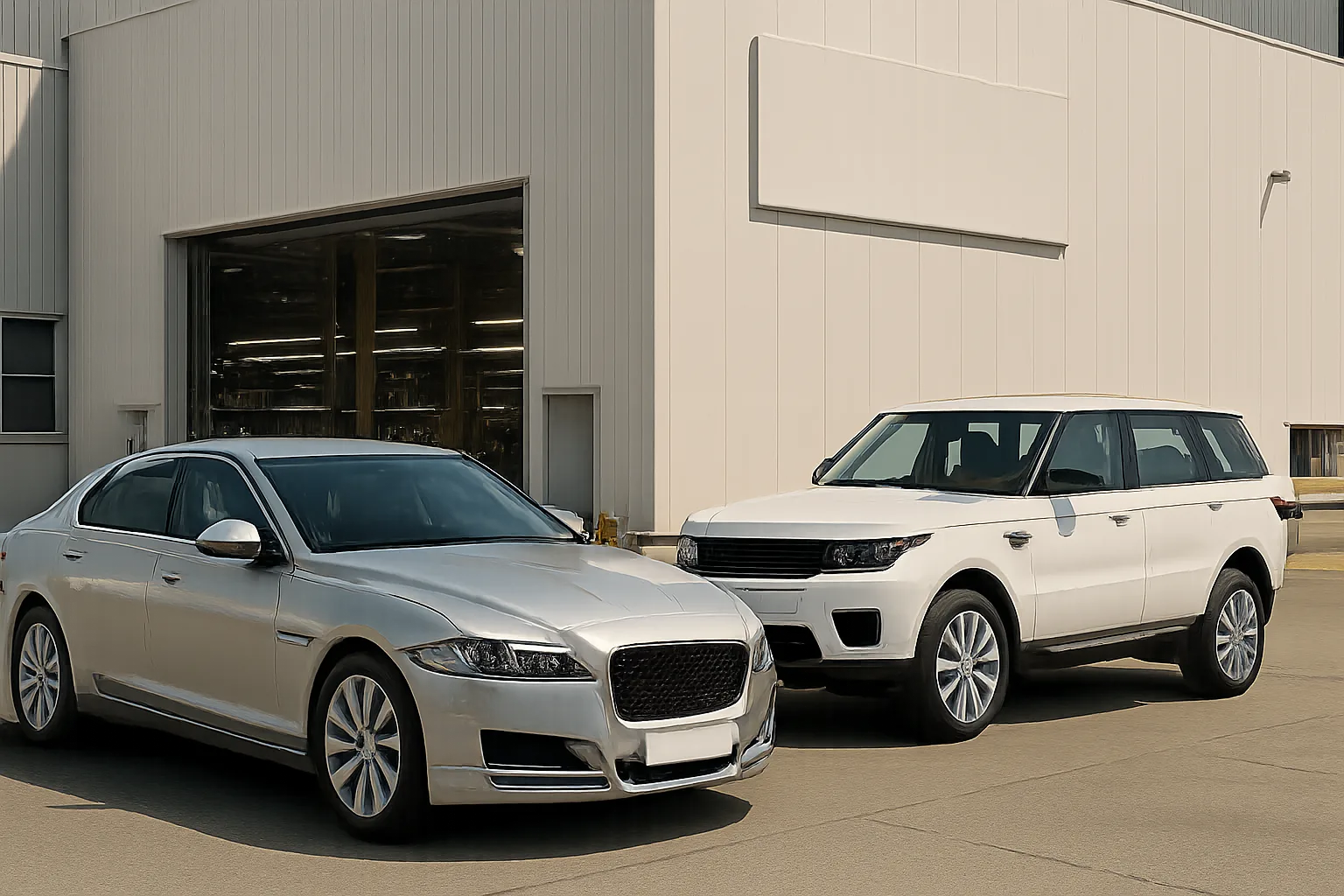
Jaguar Land Rover has postponed its plans to build a manufacturing plant in Brazil after a court decision removed the tax incentives that had underpinned the investment. The company confirmed the halt after Brazilian regional governments lost the right to offer tax breaks to attract foreign automakers.
JLR had been preparing to manufacture the Land Rover Freelander in Brazil, targeting the country's high import tariffs that make local production attractive for foreign brands. Until the court ruling, regional authorities had used tax incentives to entice investment from global carmakers. With those incentives withdrawn, JLR chief executive Ralf Speth said the financial rationale for local assembly disappeared.
Why JLR wanted Brazilian production
Brazil imposes steep tariffs on imported vehicles, which has led several manufacturers to consider local assembly as a way to remain competitive. JLR's plan was to avoid these taxes by building the Freelander SUV in-country, following a similar strategy to its kit assembly operation in India. At the time, JLR was also awaiting regulatory approval for a joint venture with Chery in China, reflecting a wider effort to expand manufacturing beyond its three UK plants.
The loss of tax breaks meant the cost advantage of domestic production was erased. Speth told journalists that with the difference between importing and assembling locally now gone, there was no immediate business case for the Brazilian plant. JLR indicated it would reconsider its plans only if the Brazilian government introduced new incentives for foreign automakers.
Implications for JLR and the Freelander
With the Brazilian plant on hold, JLR continued to rely on its UK production base and overseas assembly operations. The Freelander remained available in Brazil as an import, subject to the country's high tariffs. For JLR, the decision highlighted the risks of planning investment around regional incentives that can be withdrawn by court or government action.
The company made clear that future investment in Brazil would depend on the authorities introducing a new form of tax relief. Until then, the project remains suspended, with no timeline for revival.
Related developments in global expansion
JLR's experience in Brazil contrasted with its ongoing expansion elsewhere. The company had already begun assembling vehicles in India from kits and was awaiting approval for a manufacturing joint venture in China. The shifting tax environment in Brazil served as a reminder of the complexity facing automakers seeking to localise production in emerging markets.
For more on JLR’s global technical and manufacturing developments, see Jaguar Land Rover opens winter test centre in Minnesota.