Jaguar XJ Diesel Named Britain’s Greenest Luxury Car for Third Year
Jaguar’s XJ 2.7 Diesel has again topped the Environmental Transport Association’s 2009 Car Buyers’ Guide, recognised for its low emissions and fuel efficiency among luxury models.
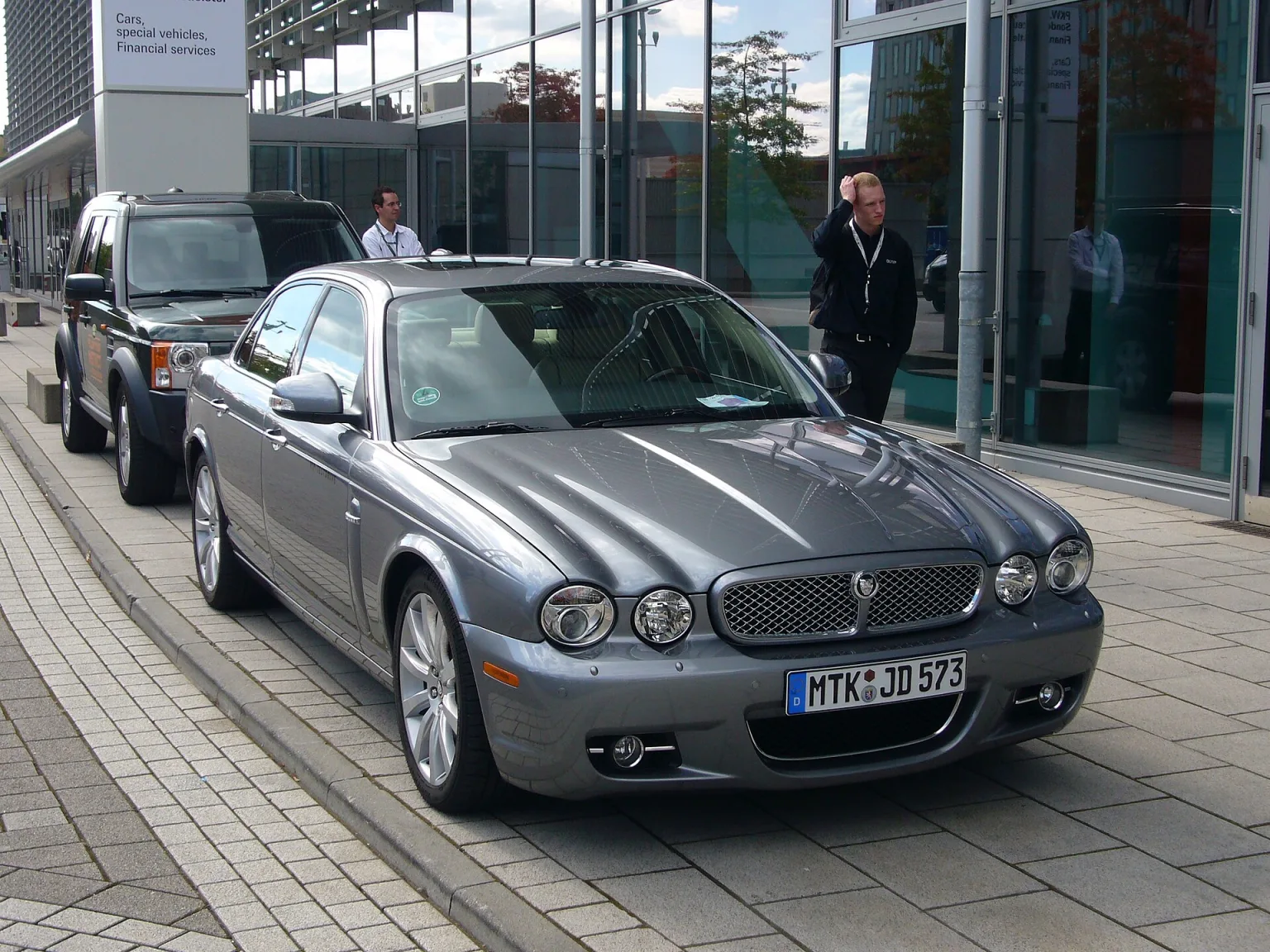
Jaguar’s XJ 2.7 Diesel has been named Britain’s greenest luxury car by the Environmental Transport Association (ETA) for the third consecutive year, topping the organisation’s 2009 Car Buyers’ Guide. The award singles out the XJ for its low CO2 emissions and high fuel efficiency, setting it apart in a segment more often associated with large engines and high running costs.
The ETA considered over 1,300 vehicles for its 2009 guide, evaluating power output, emissions, fuel consumption and noise. In the luxury segment, the XJ’s 2.7-litre V6 diesel engine delivered the lowest CO2 emissions at 139g/km and a combined fuel economy of 53.5mpg. Jaguar’s use of lightweight aluminium construction in the XJ contributed to these results, giving it a clear advantage over heavier, similarly sized rivals.
Jaguar’s diesel XJ demonstrated its real-world efficiency by covering over 1,000 miles on a single tank, a figure that few luxury saloons could match in 2009. For buyers, this translated to lower running costs and reduced road tax, at a time when emissions-based taxation was becoming increasingly relevant for UK motorists.
Jaguar’s diesel strategy and the luxury market
The XJ’s repeated recognition by the ETA highlights Jaguar’s approach to balancing performance and efficiency in its luxury models. At launch, the 2.7-litre twin-turbo V6 diesel produced 204bhp and 321lb ft of torque, giving the XJ credible performance alongside its environmental credentials. Jaguar’s commitment to aluminium body structures and efficient diesel engines set a template that competitors struggled to follow at the time.
For the luxury saloon market, the XJ’s success with the ETA award underlined a shift in customer expectations. Buyers increasingly demanded lower emissions and better fuel economy without sacrificing comfort or refinement. The XJ diesel’s combination of long-distance capability and low running costs made it a practical choice for private and fleet buyers looking to reduce their environmental impact without leaving the luxury segment.
Upcoming model and future direction
Jaguar confirmed that an all-new XJ would be revealed in London on 9 July 2009, with orders opening on the same day and first deliveries expected in early 2010. The new model would introduce the next generation of Jaguar’s aluminium body architecture and feature the latest range of Gen III petrol and diesel engines, including an updated V6 diesel. Jaguar aimed to build on the outgoing XJ’s reputation for efficiency while raising standards for luxury and technology.