Japanese automakers deepen US investment and R&D commitment
Japanese-brand automakers have expanded their US manufacturing and R&D footprint, with cumulative investment surpassing $51 billion and direct employment topping 93,000 by 2018.
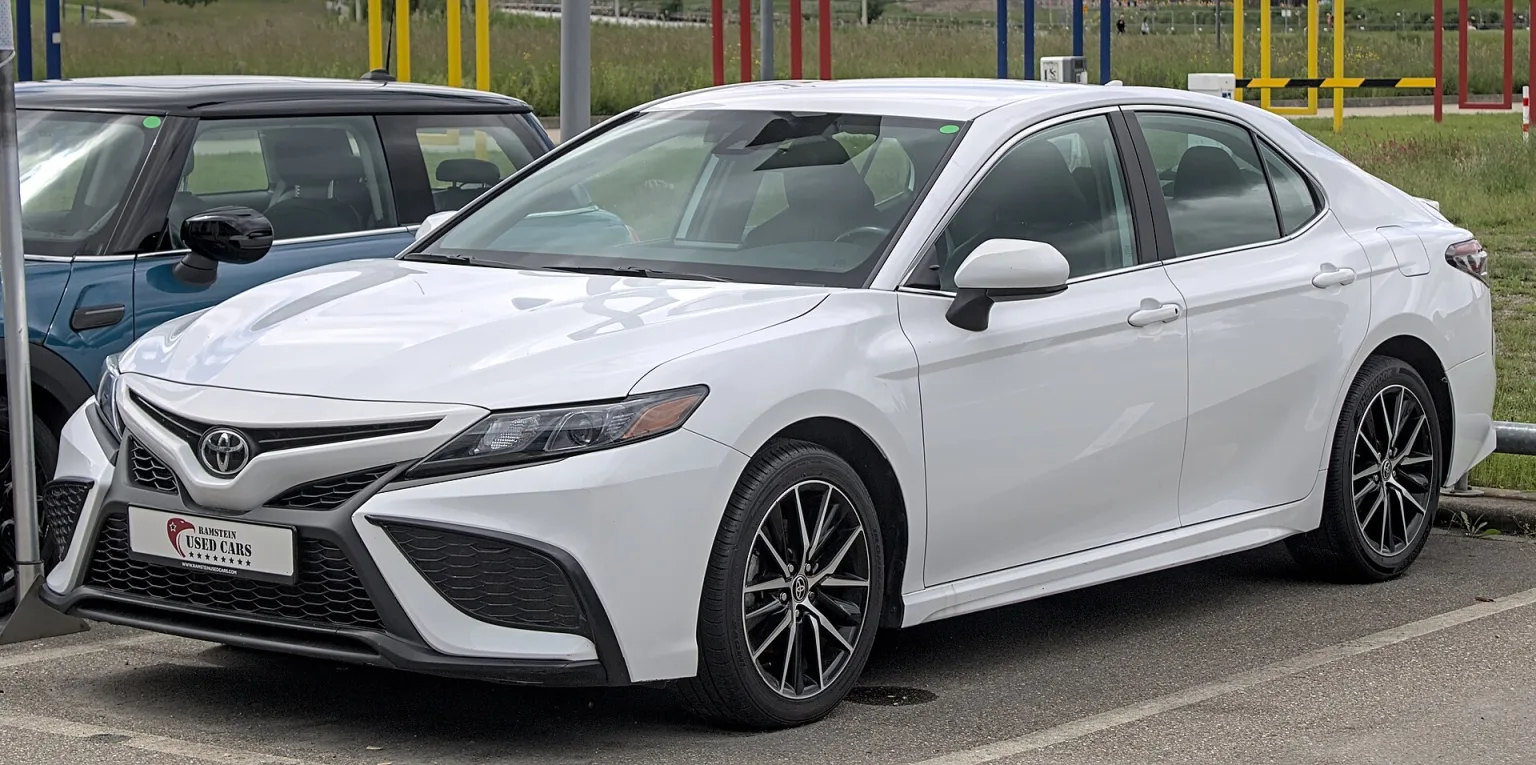
Japanese automakers have steadily expanded their manufacturing and research presence in the United States, with cumulative investment in US facilities reaching $51 billion by 2018. Direct employment by Japanese-brand manufacturers in the country exceeded 93,000 that year, reflecting a decades-long commitment to local production and engineering.
Growth in US manufacturing and jobs
Since the early 1980s, Japanese automakers have transformed their US operations from small-scale assembly to large, integrated manufacturing networks. By 2016, Japanese-brand automakers were producing nearly four million vehicles annually in the US, a tenfold increase from their initial output in the mid-1980s [1]. The number of direct US jobs created by these companies rose eightfold over the same period, with more than 93,000 Americans employed in manufacturing, R&D, and other roles by 2018 [5].
Beyond direct employment, Japanese automakers’ US dealer networks and supply chains support hundreds of thousands more jobs. In 2007, for example, total employment at Japanese-brand US dealers and distributors stood at nearly 360,000 [3]. By 2015, JAMA members were providing over 460,000 US jobs through their combined manufacturing, R&D, sales, and dealer operations [6].
Investment in US R&D and technology
Japanese automakers have increased investment in US-based research and development, with nearly 6,000 Americans directly employed in R&D and design roles by 2018 [5]. These activities range from advanced engineering centres to design studios and collaborative projects with US universities. The focus spans traditional vehicle development as well as emerging fields such as automated driving systems and connected vehicle technology [6].
Recent investment trends and regional impact
Between 2013 and 2018, Japanese and Korean automakers together announced $8.5 billion in US capital investment, according to the American Automotive Policy Council [4]. While this is less than the outlay by domestic automakers, it reflects a sustained commitment to expanding and modernising US facilities. In 2018 alone, automakers announced $3.7 billion of new US investments, with the majority allocated to manufacturing upgrades and nearly a quarter to R&D facilities [2].
Japanese automakers’ US investments are distributed across the country, with manufacturing plants in states such as Ohio, Indiana, Kentucky, Tennessee, Texas and Alabama. These facilities not only assemble vehicles for the US market but also export hundreds of thousands of units annually [5].
Workforce development and community engagement
Japanese automakers have invested in workforce development through advanced skills training and STEM education initiatives. These programmes aim to equip employees with the skills needed for modern automotive manufacturing and R&D, supporting local communities and fostering long-term employment [1]. Many Japanese-brand plants also partner with local organisations on education and social initiatives beyond their factory walls.
Comparison with domestic and European automakers
US-headquartered automakers invested over $34 billion in US facilities between 2013 and 2018, about four times the combined total of Japanese and Korean brands [4]. European automakers accounted for $9.5 billion in the same period. The scale of Japanese investment, while smaller than domestic rivals, has been consistent and focused on both manufacturing and R&D, contributing to a diverse US automotive sector.
Long-term commitment and future outlook
Japanese automakers’ cumulative US investment has grown from $32.6 billion in 2007 [3] to more than $51 billion by 2018 [5]. The share of Japanese-brand vehicles sold in the US that are made in North America now exceeds 75 percent [6], underlining the strategic shift towards local production. While investment levels can fluctuate year to year due to broader industry cycles and trade policy uncertainty, the trend over the past four decades points to a deepening commitment to the US market.
As Japanese automakers continue to expand US-based R&D and manufacturing, their role in shaping the future of the American auto industry remains substantial.