Japanese brands face slow recovery in Chinese car market
Mazda, Nissan, Toyota and Honda all posted double-digit sales declines in China for the first quarter of 2013, trailing rivals as they work to regain lost ground.
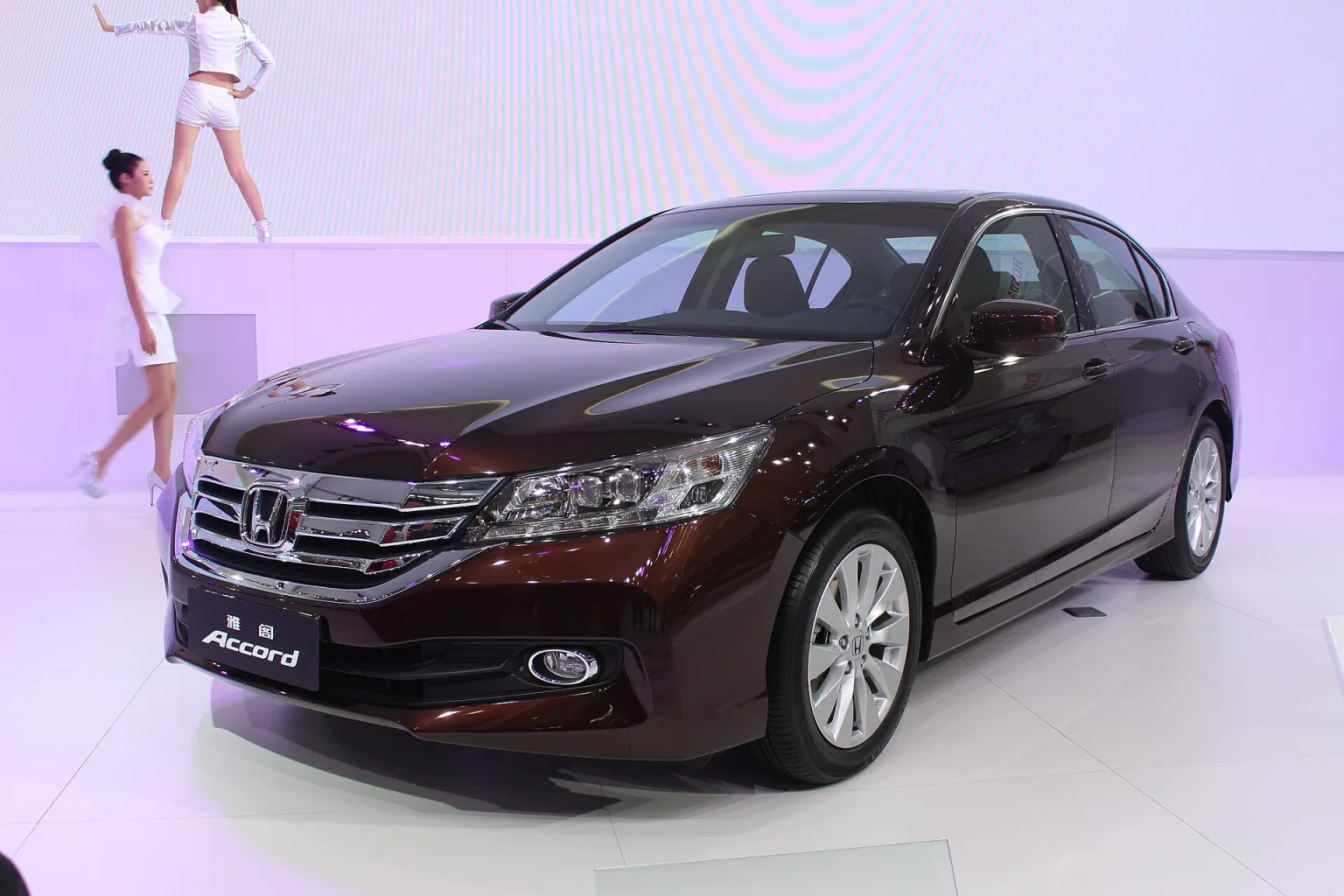
Japanese carmakers continued to lose ground in China during the first quarter of 2013, with Mazda, Nissan, Toyota and Honda all reporting lower sales compared to the previous year. The latest figures confirm that the sector has yet to recover from the sharp downturn triggered by last year’s territorial dispute between Japan and China. The dispute led to a wave of anti-Japanese sentiment, resulting in protests and boycotts that severely affected demand for Japanese vehicles in the world’s largest auto market.
Japanese Automakers Still Struggle in China
First Quarter Sales Results
Mazda’s China sales fell 21.5% in Q1 2013. Nissan reported a 15.1% drop in the same period. Toyota’s sales were down 12.7%. Honda’s sales slipped 5.2%. All four brands had entered 2013 hoping to regain momentum after a bruising second half of 2012, when anti-Japanese protests and boycotts led to a collapse in demand. The sharpest declines came in late 2012, when some Japanese brands saw sales halved almost overnight. Although the year-on-year drops have moderated since then, Japanese firms remain well below their pre-dispute levels in China.
| Automaker | Q1 2013 Sales Decline |
|---|---|
| Mazda | 21.5% |
| Nissan | 15.1% |
| Toyota | 12.7% |
| Honda | 5.2% |
Market Share Trends
By the end of February 2013, the combined share of Japanese automakers in China’s passenger vehicle market had fallen to 12.5%, compared to 16.4% in December 2012. This nearly four percentage point drop in just three months highlights the ongoing difficulties Japanese brands face in regaining their foothold. The figures show that while the most severe declines seen in late 2012 have eased, Japanese automakers are still struggling to recover lost ground in a market that continues to expand overall.
Rivals Extend Their Lead
While Japanese manufacturers have struggled to recover, global competitors have continued to strengthen their positions in China. Volkswagen and General Motors both reported rising sales through the same period, widening the gap between themselves and their Japanese rivals. As the Chinese market grows, these competitors are consolidating their gains and increasing their influence, making it more difficult for Japanese brands to catch up.
- Volkswagen and General Motors have seen continuous sales growth in China.
- Japanese automakers are not only working to recover lost sales, but also to keep pace with the rapid expansion of the Chinese market.
- The gap between Japanese brands and their global competitors is widening.
Longer-term Concerns for Japanese Brands
Analysts expect the recovery for Japanese automakers in China to be slow. Although the immediate crisis of late 2012 has passed, the reputational damage and changing consumer preferences in China continue to weigh on Japanese brands. According to IHS Automotive analyst Masatoshi Nishimoto, the sales decline is likely to persist through 2013 and possibly into subsequent years, as Japanese firms work to rebuild trust and adapt their strategies.
The situation leaves Japanese automakers facing tough decisions about investment, localisation, and product planning in China. With rivals consolidating their gains, the next several quarters will be critical for Mazda, Nissan, Toyota and Honda as they try to reclaim their share in a market that no longer waits for laggards. The combination of lingering consumer scepticism, increased competition, and the need to adapt to local preferences means that Japanese carmakers must rethink their approach if they hope to regain their former standing in China.
Factors Affecting Recovery
- Lingering effects of the 2012 territorial dispute and anti-Japanese sentiment.
- Increased competition from both international and domestic automakers.
- Shifts in consumer preferences towards brands perceived as more local or less controversial.
- Need for greater localisation of products and marketing strategies.
- Pressure to invest in new models and technology to match rivals’ offerings.
Looking Ahead
Japanese automakers’ prospects in China remain uncertain. While there are signs of gradual improvement compared to the worst months of late 2012, the overall pace of recovery is slow and the market continues to evolve rapidly. How well Mazda, Nissan, Toyota, and Honda can adapt to these challenges will determine their future in China’s crucial automotive sector.
For now, Japanese brands are still working to regain lost trust and market share, while their competitors press their advantage. The coming years will reveal whether Japan’s automakers can overcome these setbacks and re-establish themselves as significant players in China.