Bologna Motor Show 2013 Cancelled After Carmakers Withdraw
Organisers have called off Italy’s only annual car show for 2013 as manufacturers pull out in the face of falling sales and tighter budgets.
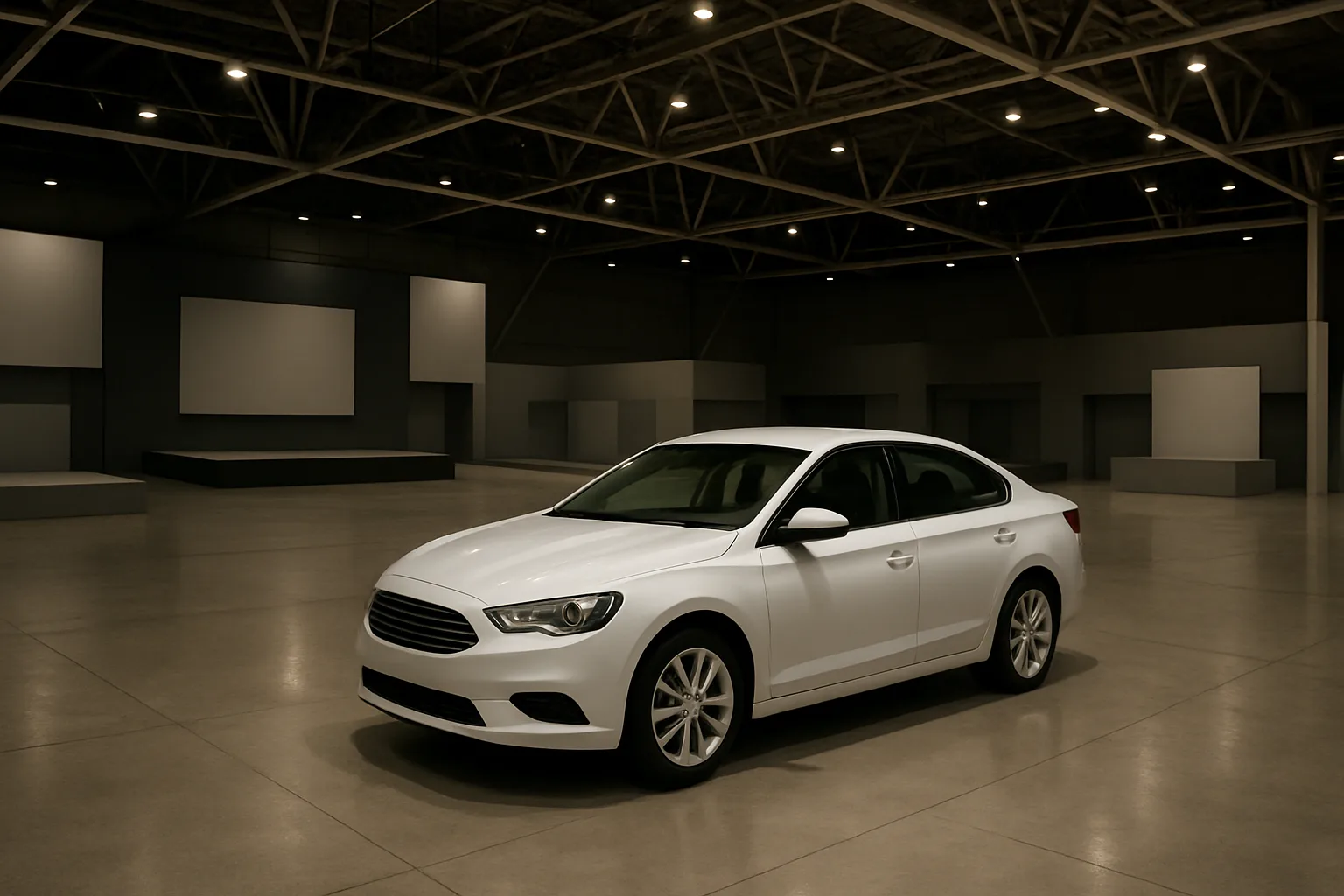
The cancellation of the 2013 Bologna Motor Show marked a turning point for Italy’s automotive industry, highlighting the mounting challenges faced by national car exhibitions in an era of economic uncertainty and shifting marketing priorities. Once a staple of the Italian motoring calendar, the show’s abrupt halt left a noticeable gap for car enthusiasts, local businesses, and the wider automotive sector. The absence of exhibitors, particularly major car manufacturers, underscored broader trends affecting not just Italy, but motor shows across Europe.
The Bologna Motor Show’s Legacy
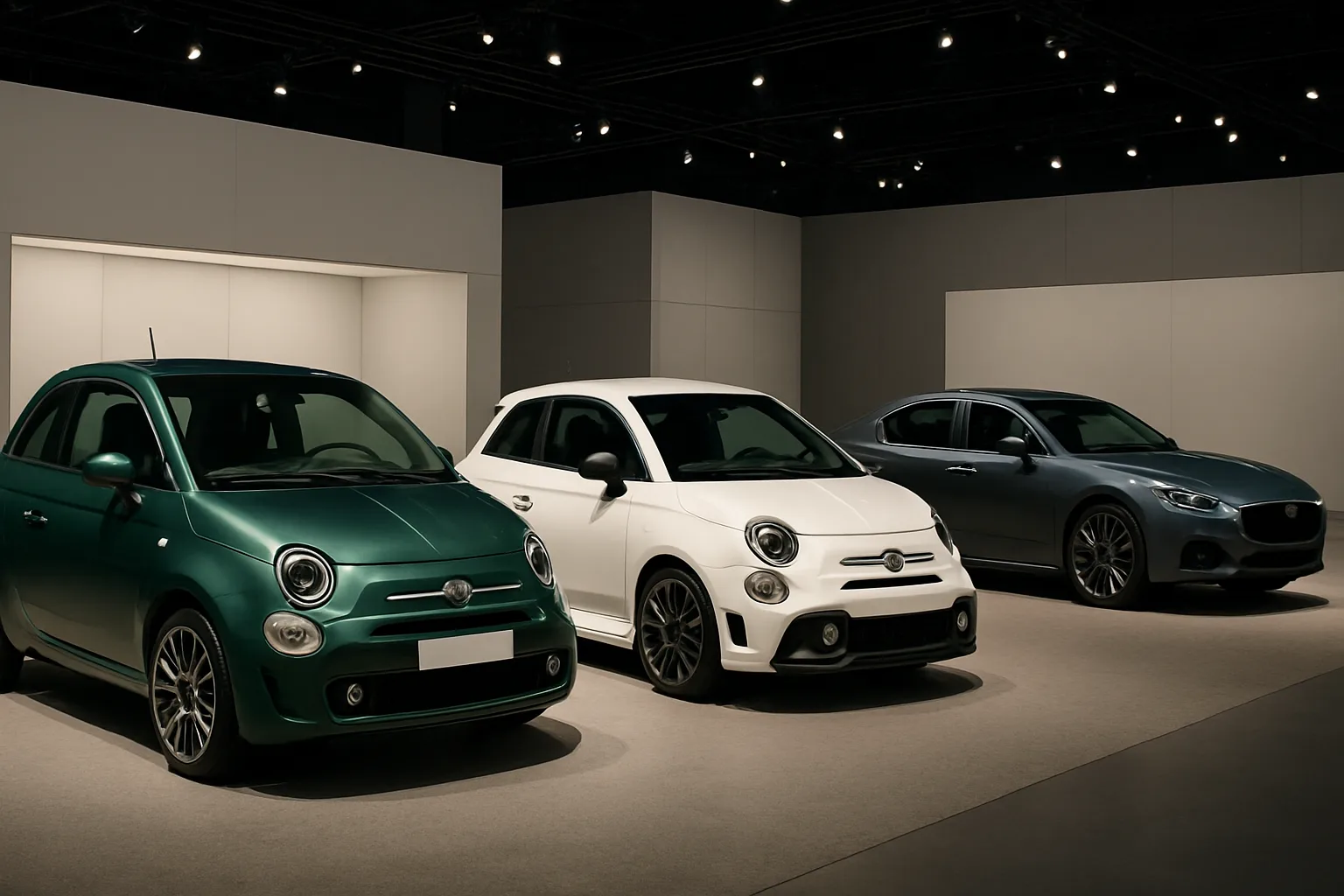
Since its debut in 1976, the Bologna Motor Show had been a fixture of Italy’s automotive scene. Traditionally held each December, the event drew crowds of car enthusiasts, industry professionals, and families eager to see the latest models and concept cars. Italian manufacturers such as Fiat, Ferrari, Maserati, Lamborghini, and Alfa Romeo regularly used the show as a platform to showcase new vehicles and technological innovations. Alongside these household names, the event featured international brands, motorsport displays, and a vibrant aftermarket section, making it a highlight for the industry and the public alike.
Over nearly four decades, the show helped cement Bologna’s reputation as a hub for automotive passion and innovation. It provided opportunities for suppliers, dealers, and aftermarket specialists to connect with consumers and industry peers, and was an important annual event for the city’s economy, drawing tens of thousands of visitors each year.
Cancellation of the 2013 Edition
The 38th edition of the Bologna Motor Show, scheduled for late 2013, was cancelled after organisers GL events were unable to secure participation from any major car manufacturer. The organisers attributed the decision to the total absence of auto manufacturers willing to exhibit. This was the first time in the show’s history that it would not take place, highlighting the severity of the challenges facing both the event and the Italian automotive sector.
The cancellation left Italy without a major annual car exhibition in 2013, a striking development for a country with such a rich automotive tradition. For many, it was a sign of the times: a reflection of both immediate economic pressures and longer-term changes in how carmakers choose to engage with the public.
Economic and Industry Factors Behind the Withdrawal
Italy’s car market had been in decline for several years leading up to the cancellation, with new car sales falling by more than 50% since 2007. This prolonged slump forced carmakers to re-evaluate their spending, particularly on marketing and exhibitions. The cost of exhibiting at a major international motor show can exceed €1 million per brand, not including logistics, stand construction, and staffing. In a period of reduced sales and tighter budgets, manufacturers increasingly concentrated their resources on the most prominent international events, such as the Geneva, Frankfurt, Paris, and Detroit motor shows.
These larger shows offer greater global exposure and media coverage, making them more attractive for new model debuts and strategic announcements. Smaller national events like Bologna have struggled to justify the expense for manufacturers, especially when attendance and media attention do not match those of the larger shows. In recent years, the Bologna Motor Show had already seen a decline in high-profile unveilings, with several Italian and foreign brands reducing their presence or skipping the event entirely.
Impact on the Italian Automotive Industry
The loss of the Bologna Motor Show was keenly felt across the Italian automotive landscape. The event had served as a vital meeting point for suppliers, dealers, and fans. Its absence underscored the difficulties facing the domestic industry as manufacturers shifted focus to global events and embraced increasingly digital marketing strategies. The move also reflected a broader trend across Europe, where regional and national motor shows have struggled to attract exhibitors in the face of economic downturn and changing priorities.
As manufacturers concentrate their efforts on fewer, larger events, the European show calendar is consolidating around a handful of key dates, leaving smaller events like Bologna at risk. For Italian suppliers and aftermarket companies, the loss of the show meant fewer opportunities for domestic exposure and networking.
Consequences for Enthusiasts and Local Businesses
For car enthusiasts, the Bologna Motor Show was more than just a trade event. It was an annual celebration, offering the chance to see new models, concept cars, and motorsport demonstrations up close. The cancellation meant the loss of a major gathering point for fans, clubs, and collectors. Local businesses, including hotels, restaurants, and service providers, also felt the impact, as the event typically drew tens of thousands of visitors to the city each year.
For suppliers and aftermarket companies, the event had provided a valuable platform to showcase innovations and network with industry peers. With no comparable event in Italy that year, opportunities for domestic exposure were significantly reduced.
Shift Towards Larger International Shows
With Bologna off the calendar, Italian manufacturers and suppliers turned their attention to the larger international exhibitions. The Geneva Motor Show, in particular, has become the preferred platform for European and global launches, drawing major announcements from across the industry. Frankfurt and Paris also remain key fixtures for new model debuts and concept reveals. Recent unveilings at Geneva, Frankfurt, and Paris have included new models from Peugeot, Skoda, Citroën, and Ferrari. Smaller shows have struggled to secure headline debuts as manufacturers prioritise the biggest stages for maximum impact.
This shift reflects a broader realignment in the way automotive brands present themselves to the public. Digital launches, live-streamed unveilings, and targeted marketing campaigns now supplement or even replace traditional motor show appearances, allowing companies to reach global audiences without the logistical challenges and costs of physical exhibitions.
Comparison: Major International Shows vs. National Events
| Show | Location | Frequency | Typical Exhibitor Cost | International Media Presence |
|---|---|---|---|---|
| Geneva Motor Show | Geneva, Switzerland | Annual | > €1 million | High |
| Frankfurt Motor Show | Frankfurt, Germany | Biennial | > €1 million | High |
| Paris Motor Show | Paris, France | Biennial | > €1 million | High |
| Bologna Motor Show (cancelled 2013) | Bologna, Italy | Annual | Lower | Lower |
As shown in the table, the largest European motor shows command significant investment from manufacturers and attract substantial international media coverage. In contrast, national events like Bologna have faced increasing difficulties in maintaining relevance and securing participation from major brands.
Industry Response and Future Outlook
The cancellation of the Bologna Motor Show prompted reflection within the Italian automotive industry about the future of such events. While Italy remains home to some of the world’s most iconic car brands and a passionate motoring culture, the absence of a national show highlighted the need for new approaches to engaging the public and promoting innovation.
Some industry observers have suggested that regional or specialised events, focused on motorsport, classic cars, or specific segments, could fill the gap left by Bologna. Others point to the growing importance of digital platforms and social media in reaching consumers, especially younger audiences who may be less inclined to attend traditional exhibitions.
In the years following the cancellation, the Italian automotive sector has continued to adapt to changing market conditions. While the Bologna Motor Show has not returned to its former prominence, Italian brands remain active on the international stage, unveiling new models and concepts at the world’s largest auto shows and through online channels.
Conclusion: A Sign of Changing Times
The cancellation of the 2013 Bologna Motor Show was a significant moment for Italy’s automotive industry, reflecting both the immediate pressures of a shrinking market and the longer-term shift towards globalised, digital-first marketing strategies. While the loss of the country’s only annual car show was keenly felt by enthusiasts and local businesses, it also served as a reminder of the need for adaptation in a rapidly evolving industry. As manufacturers continue to focus on major international events and new ways of connecting with consumers, the future of traditional motor shows remains uncertain, both in Italy and beyond.