First Lamborghini Huracan crash recorded in Hungary
A Czech-registered Lamborghini Huracan was destroyed in a crash on Hungary’s M7 motorway in September 2014, marking the model’s first known total loss.
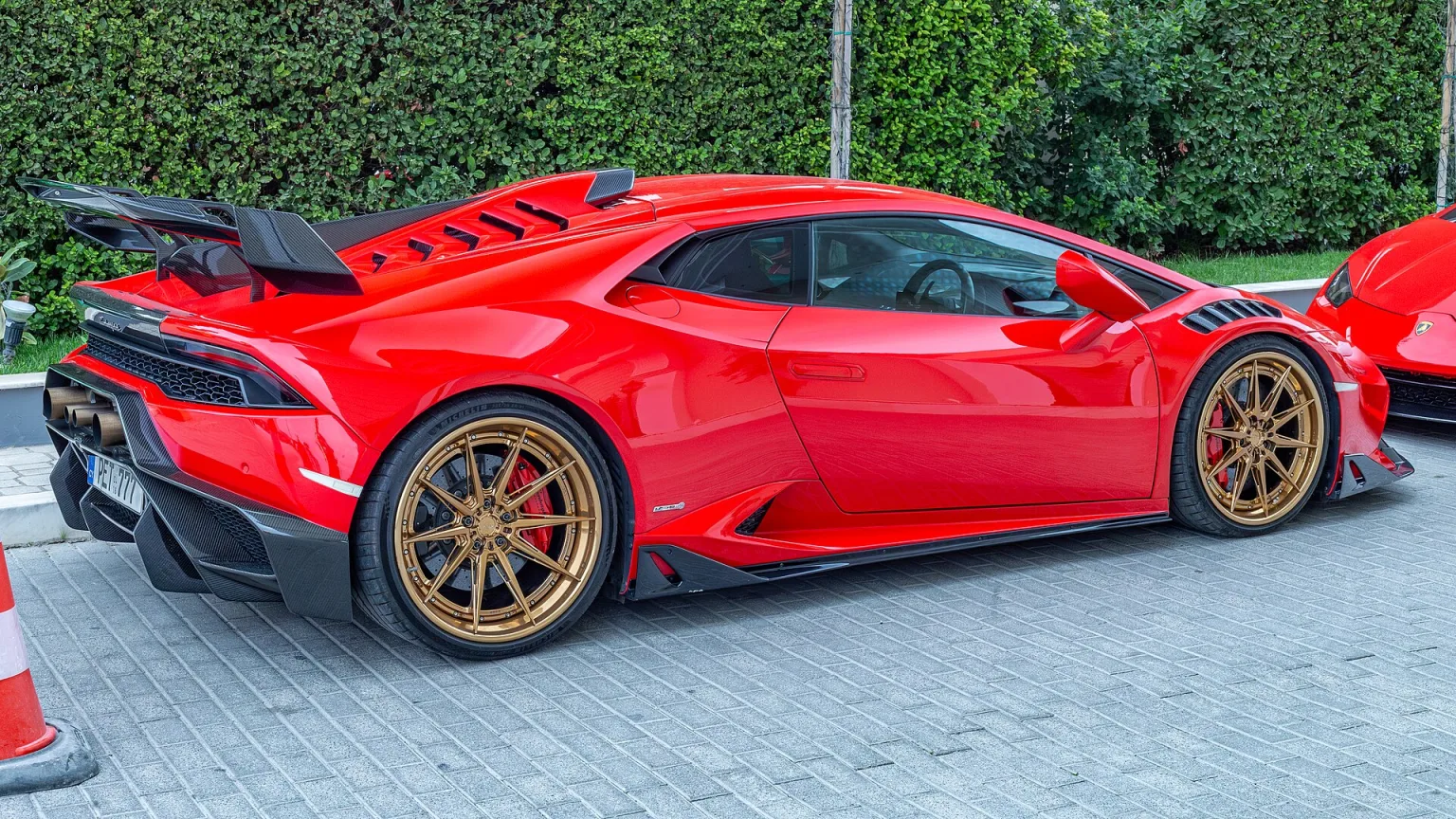
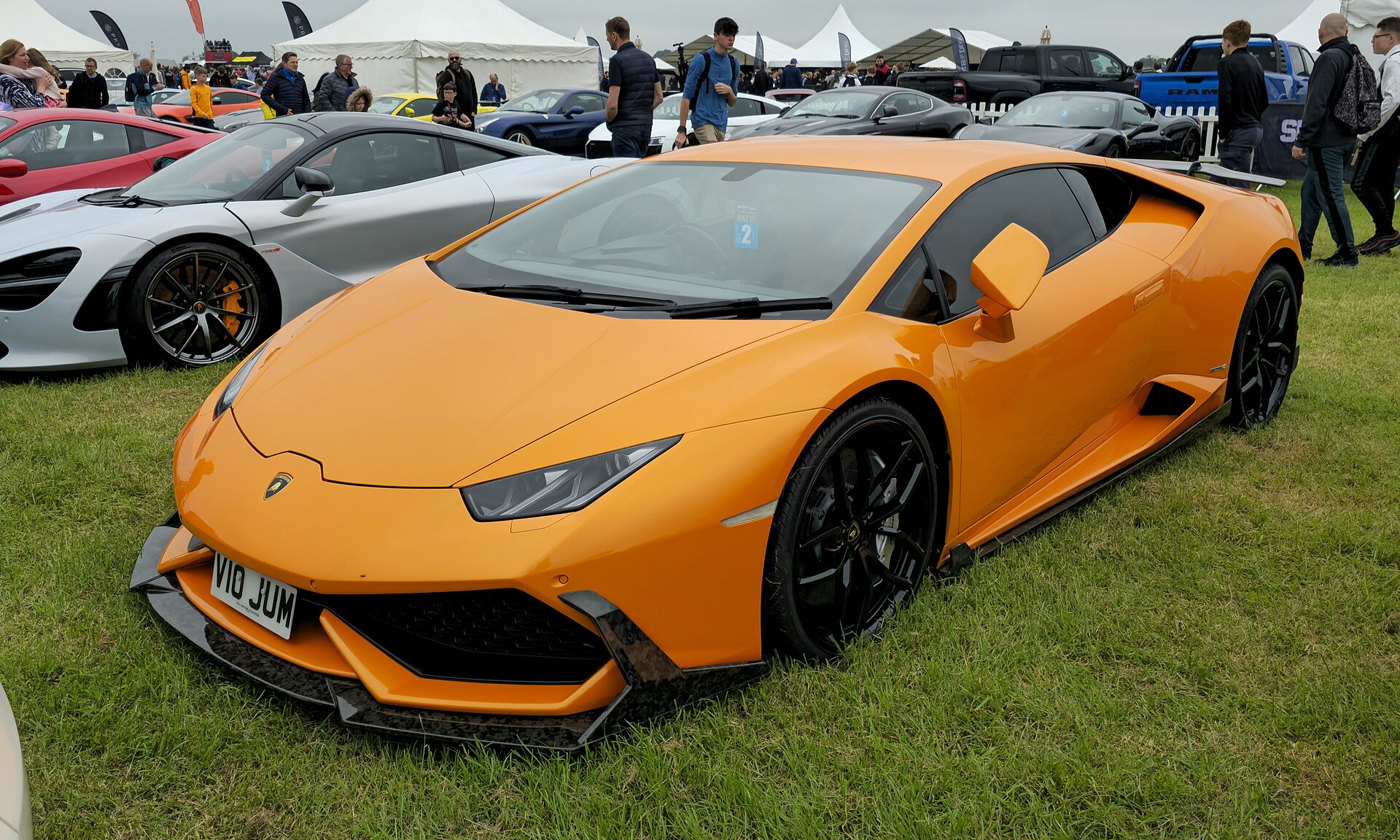
The first documented crash involving a Lamborghini Huracan occurred on Hungary’s M7 motorway in September 2014. The supercar, registered in the Czech Republic, left the road, breached a barrier and landed in a ditch before catching fire. Both the driver and a female passenger escaped the wreckage but were taken to hospital for treatment.
The Huracan had only recently reached customers, following its debut at the 2014 Geneva Motor Show as the successor to the Gallardo. This incident is believed to be the first total loss for the model, which had quickly become a focus for collectors and enthusiasts keen to experience Lamborghini’s latest V10 platform.
Crash details and aftermath
According to reports at the time, the Huracan left the motorway at speed, broke through the roadside barrier and came to rest in a ditch. The impact was severe enough to trigger a fire, which destroyed the car before emergency services could intervene. The exact cause of the crash was not made public, but the incident highlighted the risks associated with high-performance supercars in the hands of new owners. The car’s remains were barely recognisable after the fire was extinguished.
Huracan technical overview
The Huracan was launched as Lamborghini’s new entry-level supercar, replacing the Gallardo. It features a 5.2-litre naturally aspirated V10 engine, producing 602bhp (449kW) and 560Nm of torque. Power is delivered through a seven-speed dual-clutch transmission to all four wheels, enabling a claimed 0–100km/h time of 3.2 seconds and a top speed of 325km/h. The car’s aluminium and carbon fibre chassis contributed to a dry weight of 1,422kg.
| Engine | 5.2-litre V10 |
|---|---|
| Power | 602bhp (449kW) |
| Torque | 560Nm |
| Transmission | 7-speed dual-clutch automatic |
| Drivetrain | All-wheel drive |
| 0–100km/h | 3.2 seconds |
| Top speed | 325km/h |
| Dry weight | 1,422kg |
Early Huracan incidents in context
Despite the destruction of the car, Lamborghini’s safety engineering meant that both occupants survived a high-speed impact followed by a fire. The incident did little to dampen demand for the Huracan, which went on to become one of the marque’s best-selling models in the years that followed.