Production-spec Lamborghini Sesto Elemento spotted ahead of limited run
A rare glimpse of the Lamborghini Sesto Elemento in production form suggests the ultra-lightweight V10 supercar is nearing delivery to its select customers.
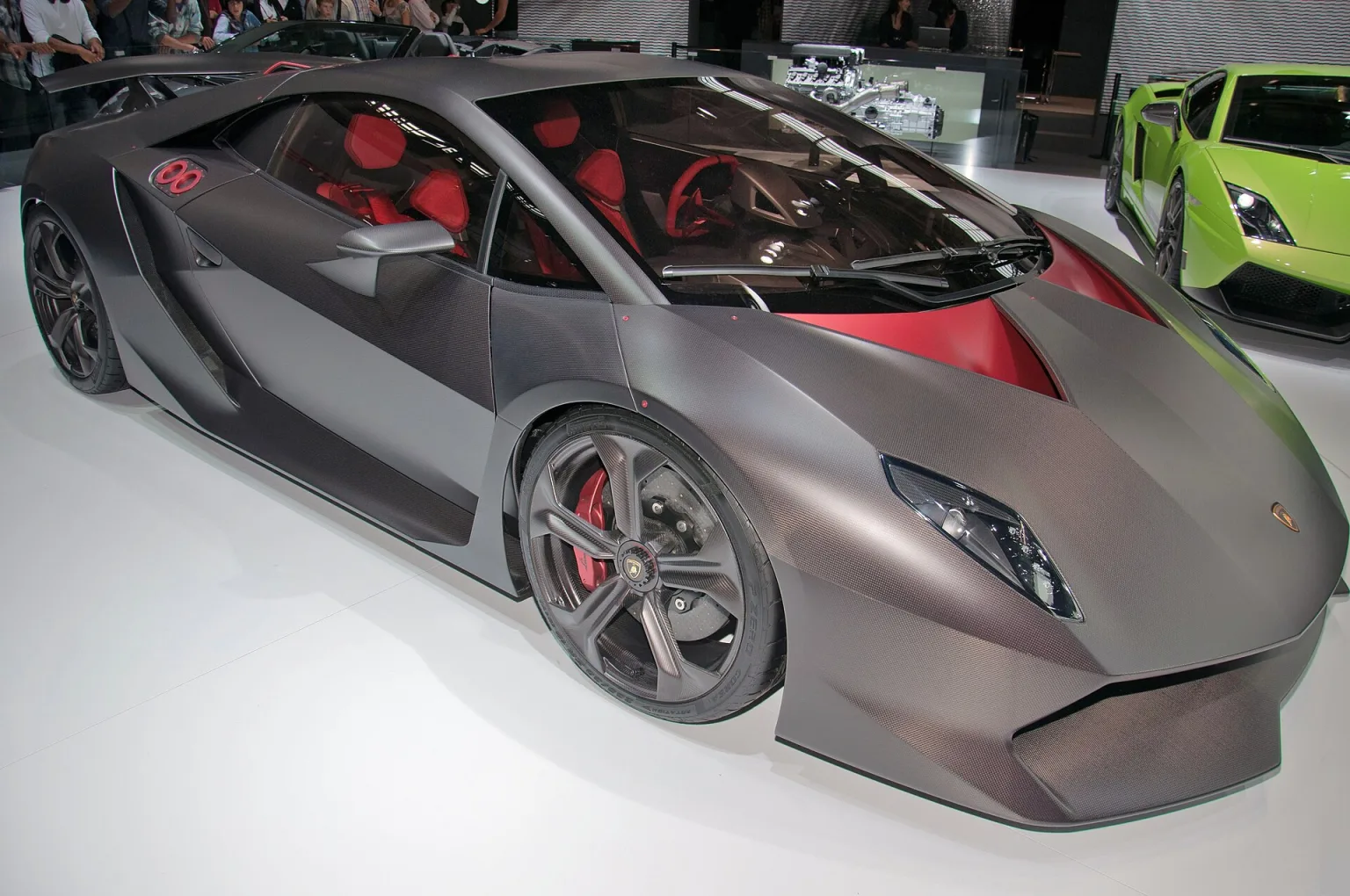
The Lamborghini Sesto Elemento has re-emerged in what appears to be its final production specification, with new images surfacing online in May 2013. The car was seen with its distinctive carbon fibre bodywork and track-oriented features, signalling that Lamborghini is moving ahead with its plans for this ultra-exclusive supercar. This sighting comes as Lamborghini continues work on other major projects, including the Gallardo successor, the Veneno, and the Egoista Concept, both of which were recently unveiled.
Lamborghini Sesto Elemento Production Version Spotted
Background: From Concept to Production
The Sesto Elemento made its debut as a concept at the 2010 Paris Motor Show, quickly drawing attention for its radical design and focus on lightweight engineering. The name, which translates to "Sixth Element" in Italian, references carbon, the element at the heart of its construction. Lamborghini confirmed a limited production run in 2011, with only 20 units to be built. All cars are intended exclusively for track use, making the Sesto Elemento one of the rarest and most specialised models in Lamborghini’s modern history.
Technical Details and Performance
The Sesto Elemento is powered by a 5.2-litre V10 engine, the same unit found in the Lamborghini Gallardo. In this application, the engine produces 570 horsepower and 540Nm of torque. Power is delivered to all four wheels via a six-speed semi-automatic transmission with paddle shifters. Lamborghini claims the Sesto Elemento can accelerate from 0 to 100km/h in just 2.5 seconds, with a top speed of 350km/h. These performance figures are made possible by the car’s extremely low kerb weight of just 999kg, achieved through the extensive use of carbon fibre-reinforced plastics in the chassis, body, suspension components, and even the propeller shaft.
| Engine | 5.2-litre V10 |
|---|---|
| Power | 570hp |
| Torque | 540Nm |
| Transmission | 6-speed semi-automatic |
| Drivetrain | All-wheel drive |
| Kerb weight | 999kg (claimed) |
| 0-100km/h | 2.5 seconds (claimed) |
| Top speed | 350km/h (claimed) |
Ultra-Lightweight Construction
The Sesto Elemento’s defining feature is its advanced carbon fibre construction. Lamborghini used carbon fibre-reinforced plastics extensively, not only for the body panels but also for the chassis, suspension, and even the driveshaft. This approach resulted in a kerb weight under one tonne, a remarkable achievement for a modern supercar with a V10 engine and all-wheel drive. The low weight is key to the car’s exceptional acceleration and handling, and it demonstrates Lamborghini’s expertise in lightweight engineering. At the time, the Sesto Elemento was among the lightest cars the company had ever produced.
Production, Exclusivity and Impact
Only 20 examples of the Sesto Elemento were planned for production, all intended for track use and not for road registration. This exclusivity, combined with the car’s technical innovation, positioned it as a showcase for Lamborghini’s future direction in materials and performance. Although Lamborghini did not officially announce the price, reports at the time suggested each car would cost well over €2 million. The Sesto Elemento served as a demonstration of the company’s carbon fibre expertise and provided valuable lessons that would influence the engineering of future Lamborghini models.
Comparison with Other Lamborghini Models
| Model | Engine | Power | Kerb Weight | 0-100km/h | Top Speed | Production Volume |
|---|---|---|---|---|---|---|
| Sesto Elemento | 5.2-litre V10 | 570hp | 999kg | 2.5s (claimed) | 350km/h (claimed) | 20 (track only) |
| Gallardo LP570-4 Superleggera | 5.2-litre V10 | 570hp | 1340kg | 3.4s | 325km/h | ~2500 |
| Veneno | 6.5-litre V12 | 750hp | 1450kg | 2.8s | 355km/h | 3 |
Legacy and Influence
The Sesto Elemento stands out not only for its rarity and performance, but also for its influence on Lamborghini’s approach to future models. The focus on carbon fibre and weight reduction set a precedent for later supercars from the brand, and the technology developed for the Sesto Elemento has been incorporated into other projects. The car remains a reference point for extreme engineering and exclusivity within the Lamborghini range.