Lamborghini Achieves Record Sales in 2014 as Demand Surges
Lamborghini delivered 2,530 cars in 2014, achieving a 19% sales increase and posting €629 million in revenue as it introduced the Huracán and expanded its workforce.
Lamborghini set a new milestone in its history in 2014, delivering 2,530 cars worldwide. This figure marked a 19 percent increase over the previous year, demonstrating the brand’s continued appeal even during a period of economic uncertainty in several markets. The company’s revenue also saw a significant rise, reaching €629 million, which represented a 24 percent increase compared to 2013.
Lamborghini Achieves Record Sales in 2014
Factors Behind Lamborghini's Growth
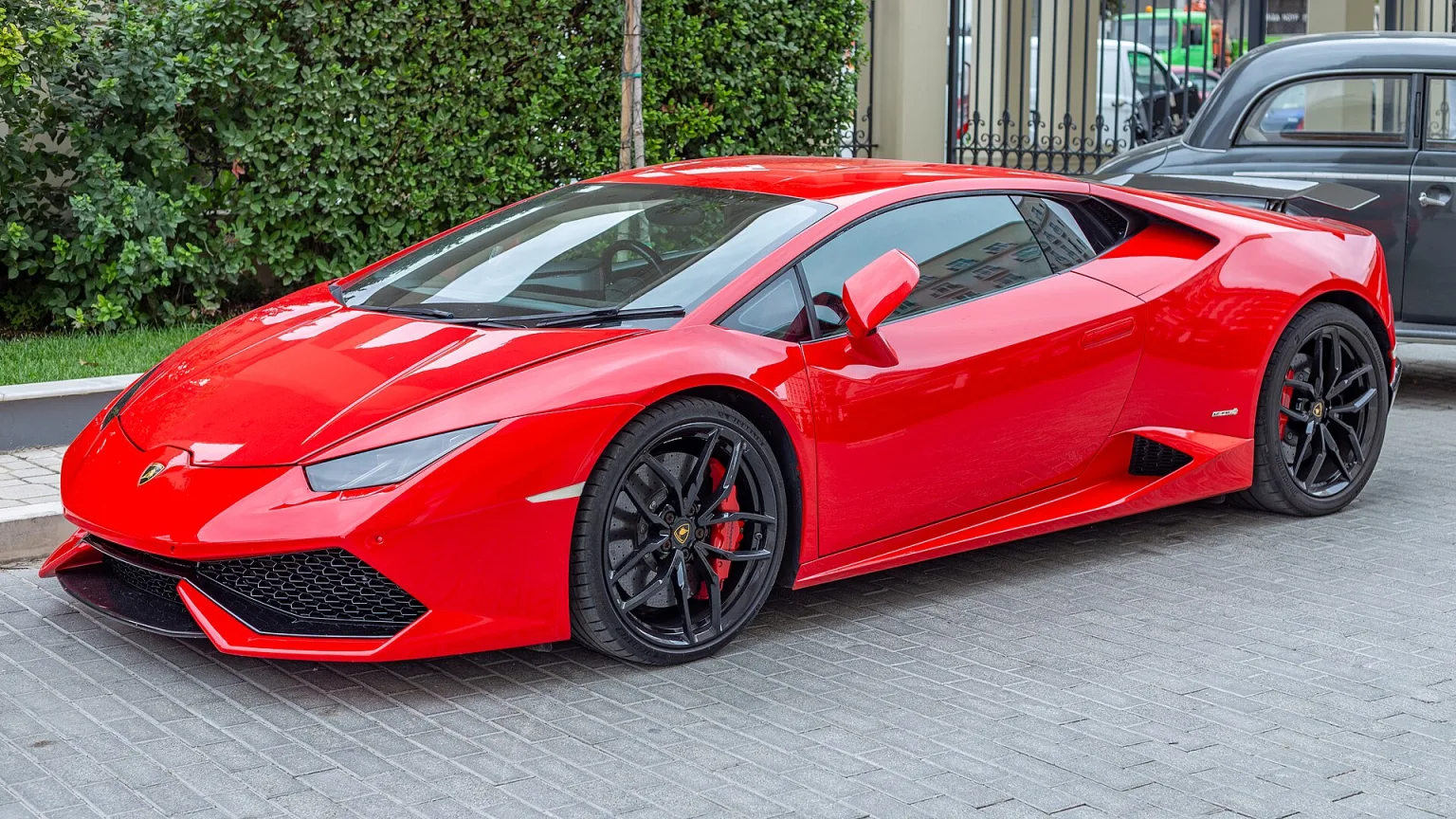
The strong sales performance in 2014 was attributed to several key factors. Lamborghini refreshed its model line-up, which helped drive demand among enthusiasts and collectors. The launch of the Huracán, which replaced the long-running Gallardo, played a central role in the sales surge. The Huracán, a 2-door coupe with a rear mid-engine and all-wheel drive layout, features a naturally aspirated 5.2-litre V10 engine. As the successor to Lamborghini’s most successful model, it quickly became a popular choice for buyers seeking both performance and exclusivity.
Alongside the Huracán, the Aventador continued to serve as Lamborghini’s flagship V12 model. Both vehicles contributed to the company’s record-setting year, with their combined appeal helping Lamborghini achieve its highest annual sales to date.
Investment and Expansion
To support its growth, Lamborghini increased its workforce by 192 employees in 2014, bringing the total number of staff to 1,175. The company placed a strong emphasis on reinvestment, allocating more than 20 percent of its turnover back into research, development, and improvements to its factory in Sant’Agata Bolognese. This commitment was designed to sustain the brand’s momentum and ensure readiness for future model launches.
The Sant’Agata Bolognese facility operated at maximum capacity to meet the growing demand. Lamborghini’s management indicated that ongoing investment in both people and infrastructure was crucial to maintaining its competitive edge. The addition of new technicians and specialists helped support increased production and the introduction of new technologies across the model range.
Global Market Performance
Lamborghini’s sales growth was not limited to one region. The brand reported stable performance in established markets such as Europe and North America, while also expanding its presence in emerging markets. This broad-based demand contributed to the company’s ability to weather economic challenges that affected other luxury manufacturers. By maintaining a balanced model mix and focusing on both mature and developing markets, Lamborghini was able to achieve robust results.
Model Highlights: Huracán and Aventador
The Huracán’s arrival in showrooms marked a significant moment for Lamborghini. As the successor to the Gallardo, which had been the brand’s best-selling model, the Huracán was expected to carry the torch in the V10 segment. Its advanced engineering, striking design, and dynamic performance helped attract both existing Lamborghini owners and new customers to the marque.
The Aventador, meanwhile, continued to represent the pinnacle of Lamborghini’s V12 offerings. With its dramatic styling and powerful engine, it maintained its status as a flagship supercar and contributed substantially to overall sales. In early 2015, Lamborghini introduced the Aventador Super Veloce at the Geneva Motor Show, signalling continued innovation and expansion within the range.
Outlook for the Future
Lamborghini’s leadership expressed confidence in the company’s direction, citing a solid economic foundation and a strong model line-up. With the factory running at full capacity and further investments planned, the company anticipated continued growth in the medium term. The focus on innovation, product development, and global market expansion positioned Lamborghini to build on its record-setting year.
The addition of new staff, ongoing investment in research and development, and the success of new models like the Huracán all contributed to a positive outlook. Lamborghini’s strategy of reinvesting a significant portion of its revenue back into the business was seen as a key factor in sustaining its upward trajectory.