Fiat Confirms Lancia Brand Will Be Phased Out in Marchionne’s Overhaul
Sergio Marchionne’s restructuring plan will see Lancia dropped, with Fiat, Alfa Romeo, Maserati and Jeep each set for new strategic roles in the group.
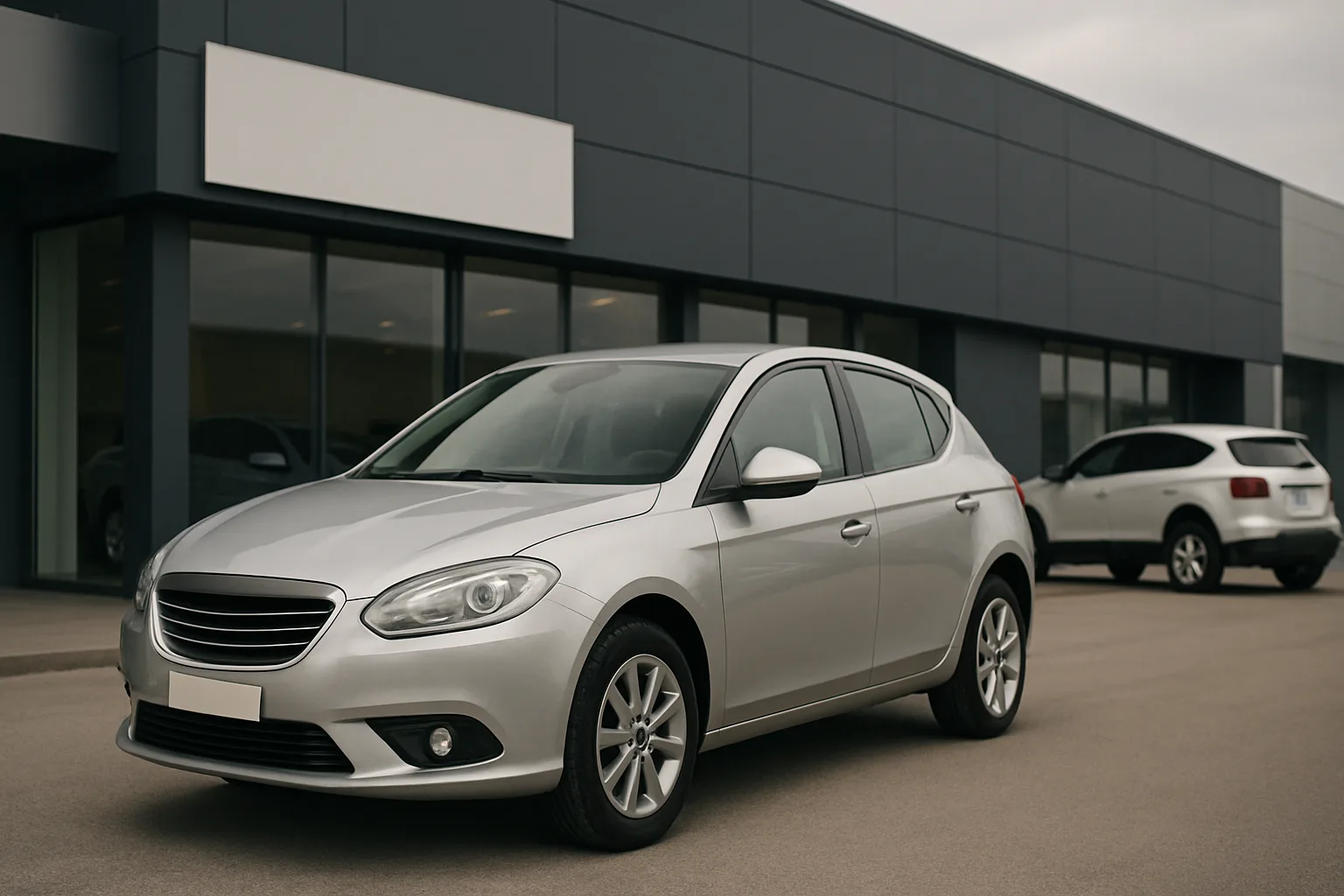
Fiat CEO Sergio Marchionne announced on 2 November 2012 that the Lancia brand would be wound down as part of a sweeping restructuring of Fiat’s model and brand strategy. The decision marks the end of one of Italy’s most historic car marques, with Lancia’s remaining models to be phased out and no new investment planned.
Marchionne’s plan, outlined in a teleconference with analysts, calls time on Lancia after years of dwindling sales and limited investment. The brand, which once produced rally legends and luxury saloons, had in recent years relied on rebadged Chrysler models for most of its range. The only remaining Lancia-developed car was the Ypsilon supermini, while models like the Thema and Voyager were Chrysler products adapted for European sale.
Fiat-Chrysler’s new brand strategy
The withdrawal from Lancia comes as Fiat-Chrysler seeks to stem losses in Europe and reposition its brands. Alfa Romeo and Maserati will be pushed further upmarket to compete in the premium segment, directly targeting German rivals. Jeep, meanwhile, will see its global footprint and product portfolio expanded, capitalising on growing demand for SUVs. Fiat itself will focus on the 500 and Panda nameplates, building a family of derivatives in a strategy reminiscent of BMW’s approach with Mini.
Marchionne’s restructuring aims to reduce Fiat’s exposure to the price-sensitive European small car market, where it faces tough competition from Volkswagen, Toyota and Hyundai. Instead, the group will look to export higher-margin models to the US and Asia, using Italian plants to build vehicles for global markets rather than closing domestic factories.
Lancia’s final years and Chrysler tie-up
Lancia’s decline had accelerated in the years leading up to the announcement. After the Fiat-Chrysler alliance, most new Lancias were simply Chryslers with minor cosmetic changes, such as the Thema (Chrysler 300) and Voyager (Chrysler Town & Country). The Ypsilon, launched in 2011, was the last model developed specifically for Lancia. No further investment in new Lancia products was planned, according to company statements at the time.
Impact on workers and dealers
Fiat did not announce immediate plant closures as part of the Lancia decision. Instead, the group’s strategy is to retool Italian factories to produce export-oriented models. For dealers, the end of Lancia means a shrinking portfolio, with some showrooms likely to focus on Fiat, Alfa Romeo or Jeep instead. The move also consolidates Fiat’s investment in its remaining brands, with resources redirected to models with stronger international prospects.
Lancia’s legacy and the end of an era
Founded in 1906, Lancia built a reputation for engineering innovation and motorsport success, including multiple World Rally Championships. Its withdrawal marks the loss of a marque that once stood for Italian luxury and technical flair. While some Chrysler representatives suggested the brand name would continue in some form, Marchionne made clear that no further development or investment was planned for Lancia beyond the existing range.
- Lancia’s last original model: Ypsilon (2011)
- Recent range: rebadged Chrysler models (Thema, Voyager)
- No new Lancia investment planned post-2012