Lexus to Reveal Hybrid Compact SUV at Geneva 2014
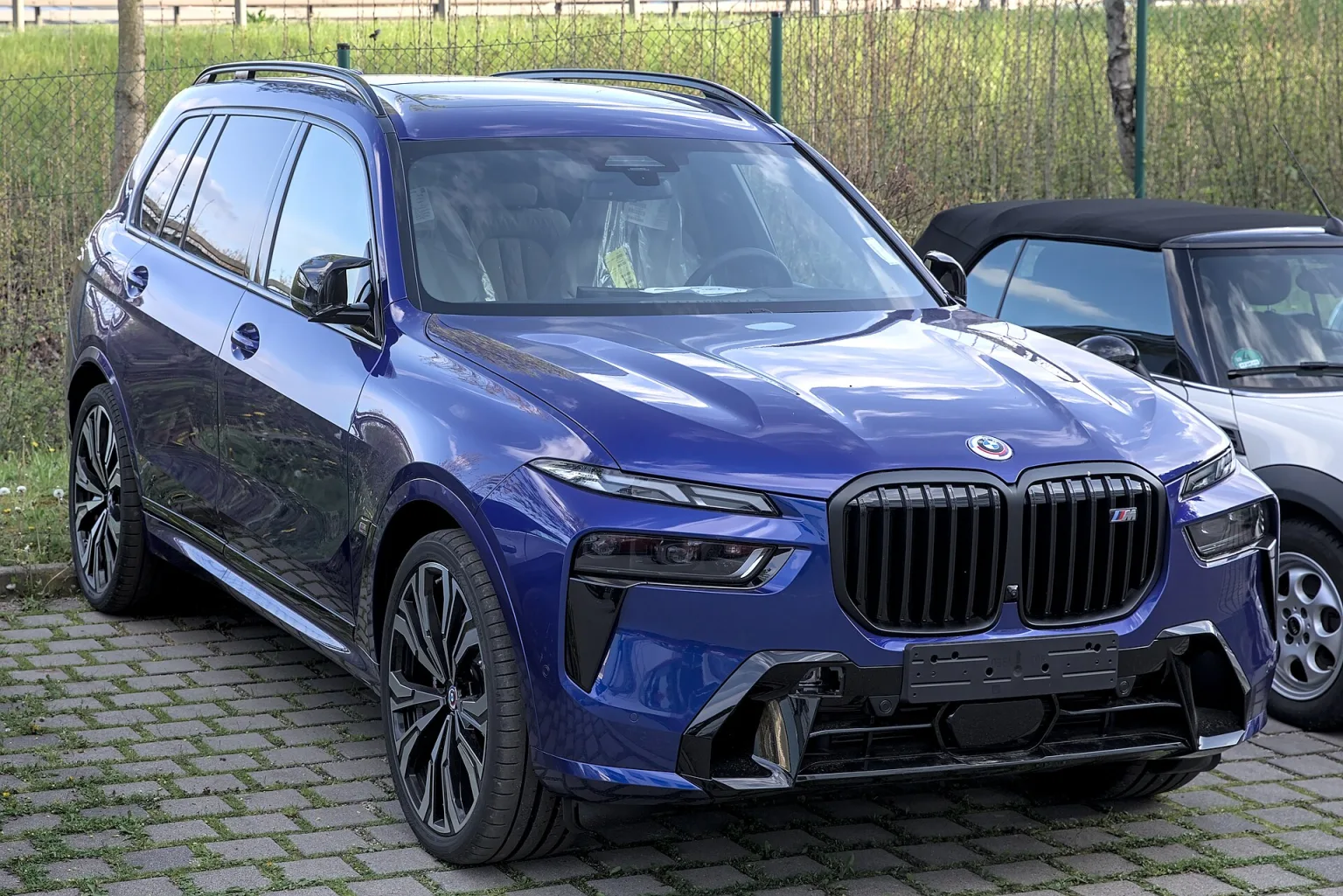
Lexus will debut a production-ready hybrid compact SUV at the 2014 Geneva motor show, targeting the BMW X1 and Audi Q3 with a model based on the Toyota RAV4.
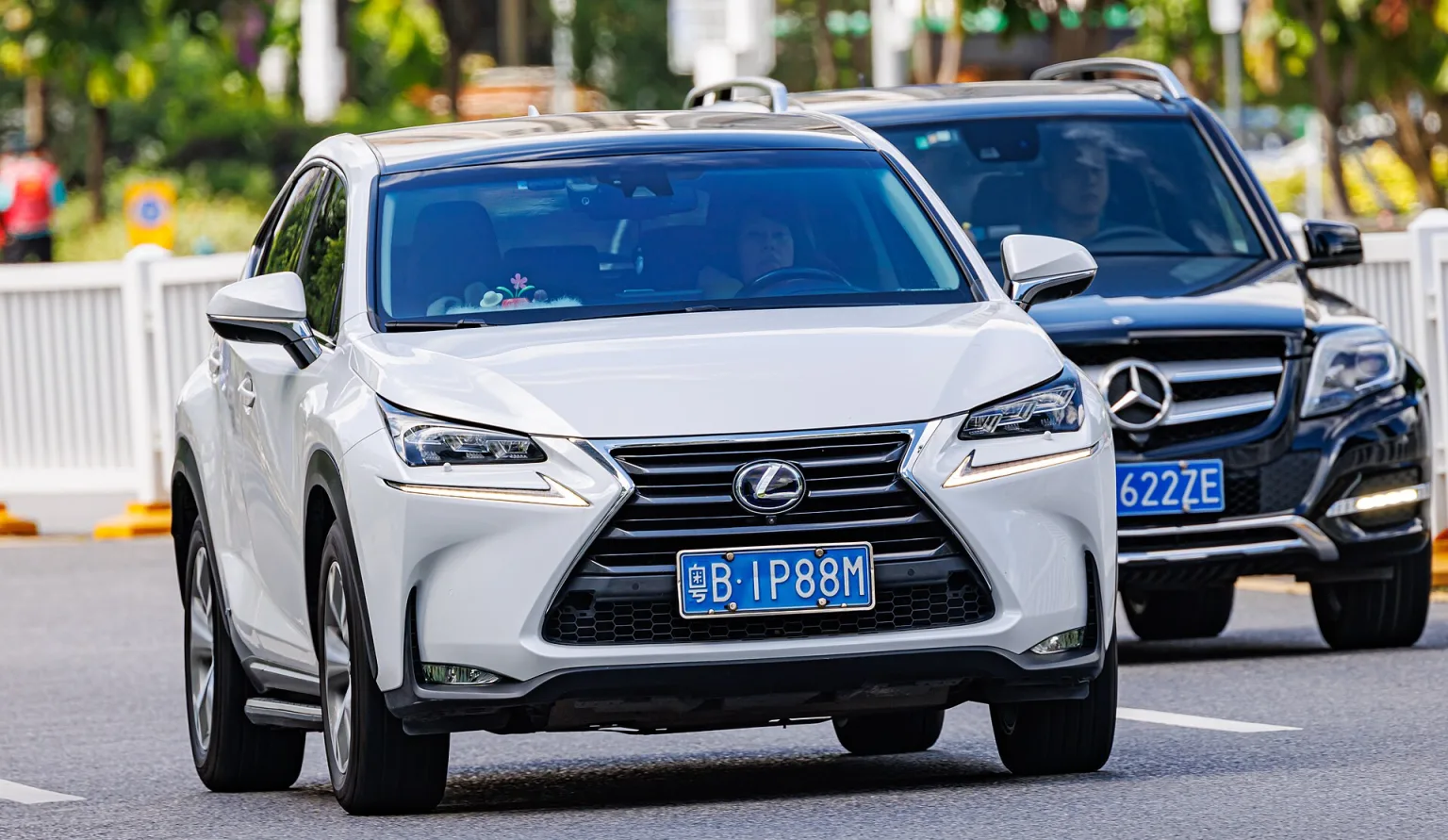
Lexus has confirmed it will unveil a production-ready premium compact SUV at the 2014 Geneva motor show, entering a segment currently dominated by the BMW X1 and Audi Q3. The new model, which will feature a hybrid powertrain, marks Lexus’s first entry into the fast-growing compact SUV class.
According to sources familiar with the project, the upcoming Lexus SUV will share its underpinnings with the Toyota RAV4. The hybrid system is expected to be adapted from the IS 300h, pairing a 2.5-litre four-cylinder petrol engine with an electric motor. This approach allows Lexus to leverage Toyota’s existing hybrid technology and respond to the increasing demand for low-emission premium SUVs.
The new model will slot beneath the RX 450h in the Lexus range. This move is intended to attract buyers looking for a more affordable and compact alternative to the RX, while still offering the brand’s hybrid expertise. Lexus has not yet disclosed the vehicle’s name or full technical details, but the choice of the RAV4 platform suggests a focus on urban practicality and efficiency rather than outright performance.
Market context: Compact SUV growth
The compact premium SUV segment has seen rapid expansion in Europe, with models such as the BMW X1, Audi Q3, Opel Mokka and Nissan Juke driving sales. IHS Automotive predicted that sales of small SUVs would surpass 500,000 units in Europe by 2015, up from 154,461 in 2012. Lexus’s entry is timed to capitalise on this growth and to extend its hybrid leadership into a new segment.
- BMW X1: Established premium compact SUV rival.
- Audi Q3: Competes directly on size and price.
- Opel Mokka and Nissan Juke: Volume compact SUV benchmarks.
Powertrain and positioning
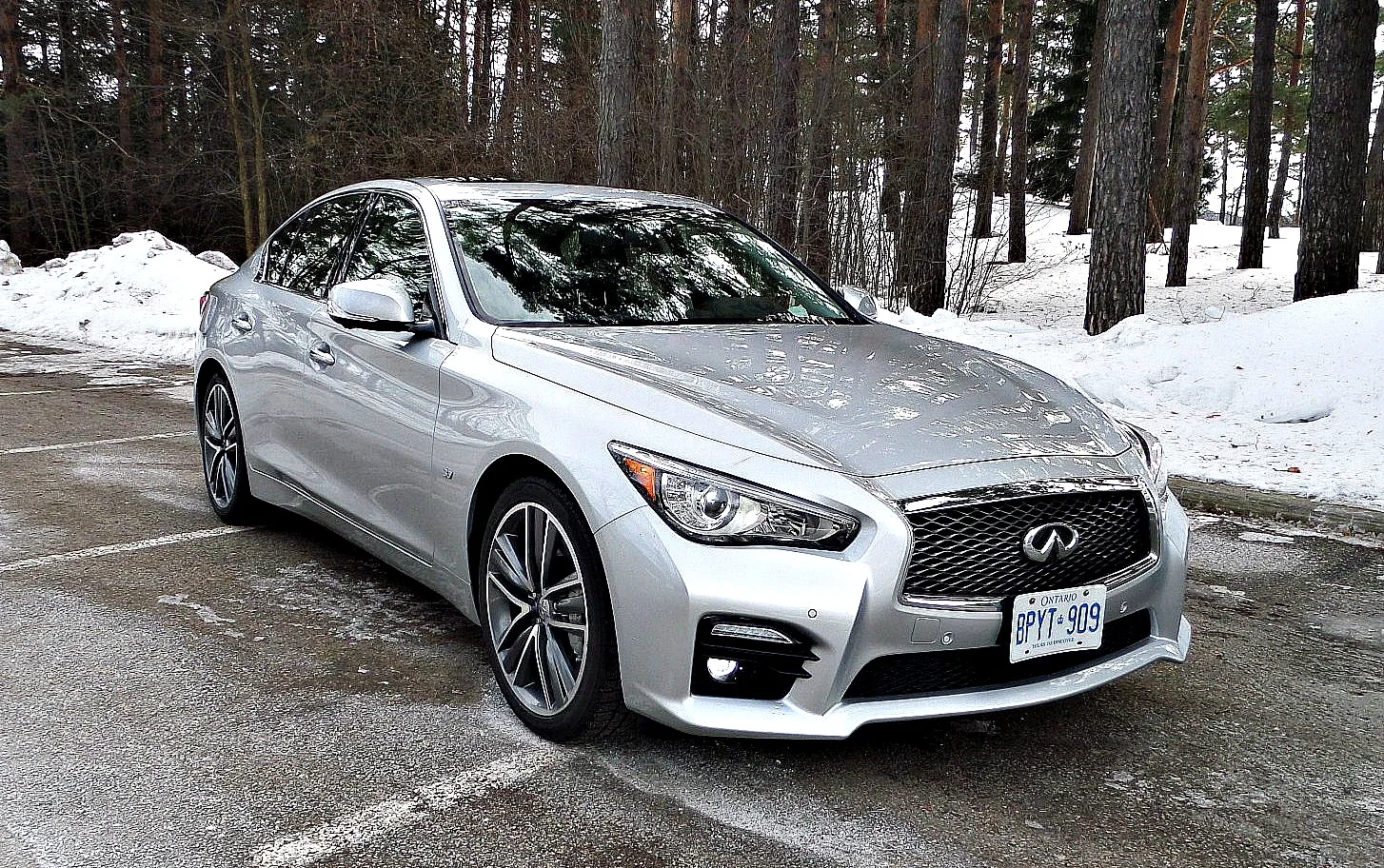
Lexus’s decision to use the IS 300h hybrid system indicates a focus on fuel efficiency and emissions. The IS 300h’s 2.5-litre petrol-electric setup is already proven in the saloon, and its application in an SUV aims to offer similar benefits in terms of running costs and tax advantages, especially in markets with hybrid incentives. The model’s positioning below the RX 450h also opens the brand to buyers who might otherwise consider only German rivals.
What it means for Lexus and buyers
For Lexus, this SUV is a strategic move to fill a gap in its European line-up and target younger urban buyers seeking premium features with lower running costs. For buyers, it offers an alternative to diesel-powered rivals, with the promise of hybrid fuel economy and Lexus reliability. The use of the RAV4 platform should ensure competitive interior space and practicality, while the hybrid drivetrain will appeal to those seeking lower CO2 emissions without moving to a full electric vehicle.
The full production model will be shown at Geneva in March 2014. Pricing, final specifications and market launch dates are expected to be announced at that time.