Suzuki Celerio Makes Public Debut at 2014 Geneva Motor Show
Suzuki has revealed its new Celerio city car at the 2014 Geneva Motor Show, positioning it as an affordable, efficient replacement for the Alto with a focus on low running costs.
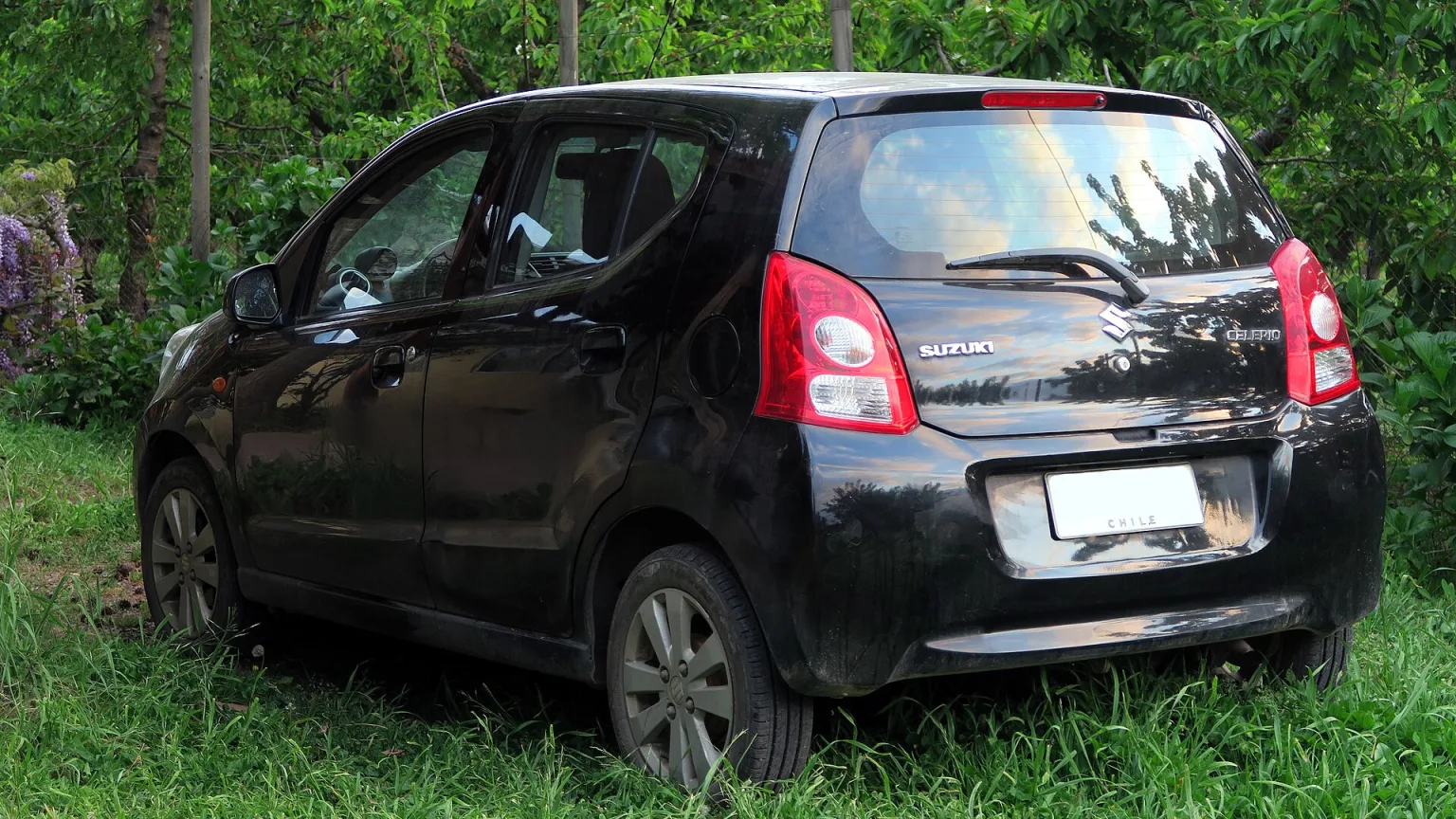
Suzuki has unveiled the Celerio at the 2014 Geneva Motor Show, introducing a new entry-level city car to replace the Alto in its European line-up. The Celerio is aimed at buyers seeking an affordable and efficient urban runabout, with Suzuki targeting rivals such as the Toyota Aygo, Citroën C1, Peugeot 108 and the rear-wheel-drive Renault Twingo.
The Celerio arrives with a single engine option: a 1.0-litre three-cylinder petrol unit fitted with a stop/start system, which allows it to achieve CO2 emissions as low as 85 g/km. Suzuki is also offering an automated manual transmission, reflecting the growing demand for small cars with automatic gearboxes in urban markets.
Positioning and rivals
Suzuki is pitching the Celerio as a more affordable alternative to the latest city cars from Toyota, Citroën and Peugeot. While those models have moved upmarket in terms of design and equipment, the Celerio is expected to undercut them on price, appealing to buyers prioritising value and low running costs. Its main competition also includes the Dacia Sandero, which offers more space for a similar budget, and the new Renault Twingo, which stands out with its rear-wheel-drive layout.
- Toyota Aygo
- Citroën C1
- Peugeot 108
- Renault Twingo
- Dacia Sandero
The Celerio’s compact dimensions and simple mechanicals are designed for easy maintenance and low ownership costs. Suzuki has not yet confirmed full pricing or equipment levels for European markets, but the company’s positioning suggests a focus on buyers who value practicality and efficiency over premium features.
Technical details and production
The Celerio’s 1.0-litre engine is a development of Suzuki’s existing three-cylinder petrol unit, tuned for economy. The addition of a stop/start system helps it achieve class-leading emissions figures, which should translate into low road tax and benefit-in-kind rates in many European countries. The automated manual transmission offers the convenience of an automatic without the cost and complexity of a traditional torque converter unit.
Production of the Celerio for European markets will take place in Thailand, which is increasingly becoming a hub for Suzuki’s small car manufacturing. This approach allows Suzuki to keep costs down and offer the Celerio at a competitive price point across Europe.
What comes next for Suzuki’s city car
Suzuki has not yet released full specifications or pricing for the Celerio at Geneva, with further details expected closer to the car’s European launch. The company is likely to announce more about trim levels, safety equipment and market-specific features in the coming months. The Celerio’s debut at Geneva positions it as a practical, low-cost option for buyers seeking simple, economical urban transport.