Koenigsegg’s Ambitious Saab Plan Unveiled, Then Unravels
Koenigsegg’s brief bid to acquire Saab in 2009 promised new models, niche positioning and a focus on efficiency, but the deal collapsed before any plan could be realised.
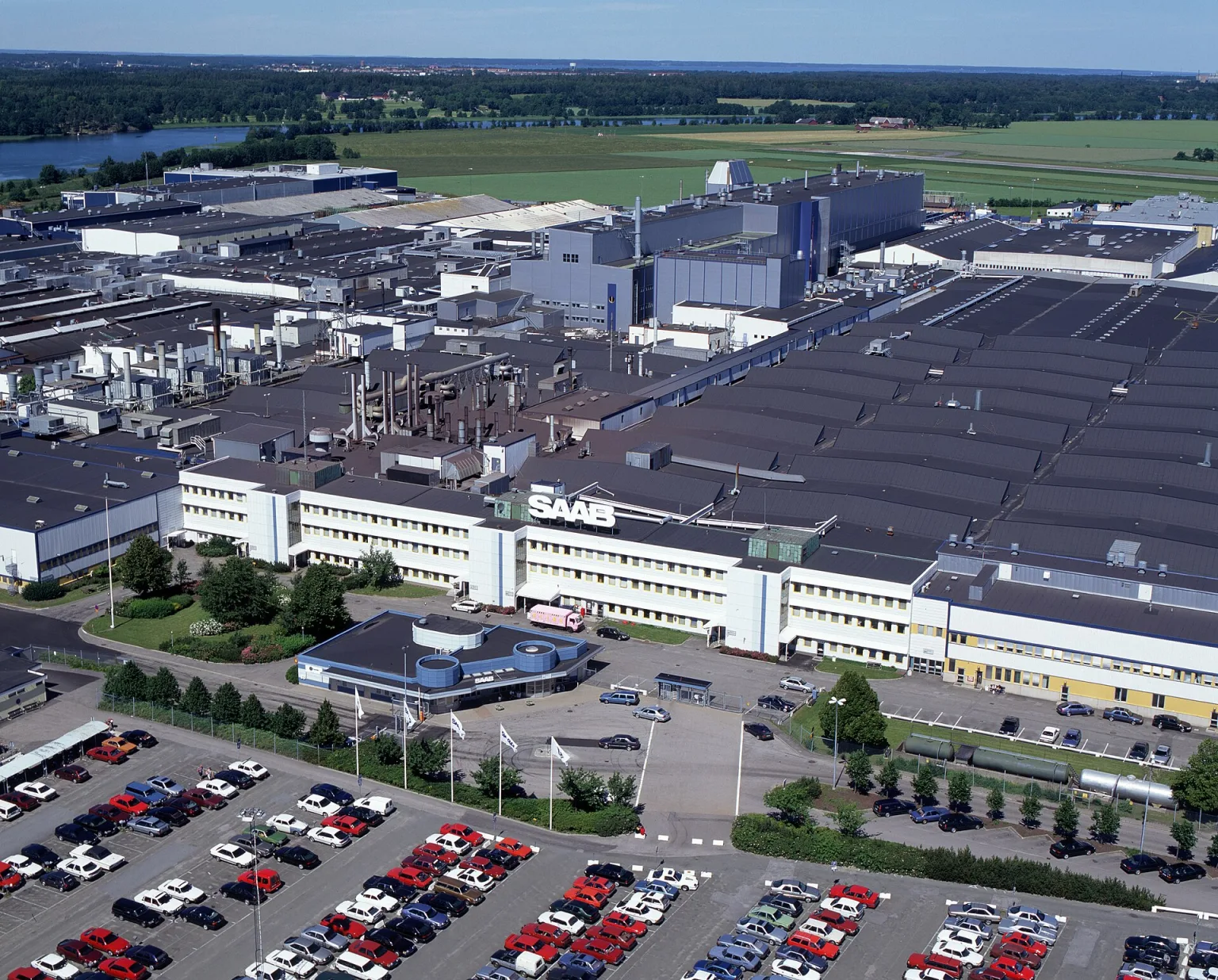
Koenigsegg’s proposed acquisition of Saab in 2009 was set to reshape the Swedish carmaker’s future with a plan blending niche international positioning, new model launches and a renewed focus on efficiency. The deal, which would have seen the tiny supercar manufacturer take over from General Motors, initially promised stability for Saab’s 3,400 staff and its extensive supplier base. But within months, Koenigsegg withdrew, leaving Saab’s future in doubt and its business plan unfulfilled.
The Koenigsegg vision for Saab
Christian von Koenigsegg, founder and CEO, outlined a business plan built around making Saab a smaller, more agile player in the global market. He described the goal as creating a Swedish car that would compete as an international niche product, smaller than most mainstream mid-size manufacturers. Efficiency, performance and a distinct Swedish character were to define the new Saab line-up.
Koenigsegg committed to following Saab’s existing business plan, which called for four new models to be introduced within 18 months. The intention was to move Saab away from volume ambitions and instead target higher margins with distinctive cars. Environmental performance would be a central pillar, with an ambition to lead in efficiency and emissions among premium brands. Von Koenigsegg publicly stated that this was both a market demand and a personal ambition for the group.
Funding and scale challenges
The deal was to be underpinned by a $600 million loan from the European Investment Bank, guaranteed by the Swedish government, with additional support from Koenigsegg and GM. Norwegian investor Bård Eker and US financier Augie K. Fabela were among the backers. Despite this, analysts and union leaders questioned whether Koenigsegg’s 45-person operation and annual output of fewer than 20 supercars could realistically manage a mainstream manufacturer producing 93,000 cars a year.
- Koenigsegg: 45 employees, 18–20 cars per year (supercars)
- Saab: 3,400 employees, 93,000 cars per year (mainstream)
The Swedish government’s support was conditional on due diligence of the buyer’s financial strength and business plan. Industry observers voiced scepticism about Koenigsegg’s ability to deliver on ambitious promises, particularly given Saab’s history of losses under GM and the scale of restructuring required.
Collapse of the deal
On 24 November 2009, Koenigsegg announced it would not proceed with the acquisition. GM expressed disappointment, having worked for months to secure Saab’s future. The collapse left Saab’s next-generation models and thousands of jobs at risk, forcing GM to reconsider whether to sell, restructure or shut down the brand. The details of Koenigsegg’s plan became academic, as the company never took control and the promised transformation never began.
Saab’s fate would later be shaped by other suitors, including Spyker and NEVS, but Koenigsegg’s short-lived plan stands as a reminder of the difficulties small manufacturers face when scaling up to rescue mainstream brands.
For the aftermath and how the withdrawal unfolded, seeKoenigsegg Withdraws from Saab Acquisition Deal