Test drive mishap: Impala reverses into two Corvette Stingrays at US dealership
A customer on a test drive in a Chevrolet Impala collided with two new 2014 Corvette Stingrays, damaging both sports cars but leaving all parties uninjured and uncharged.
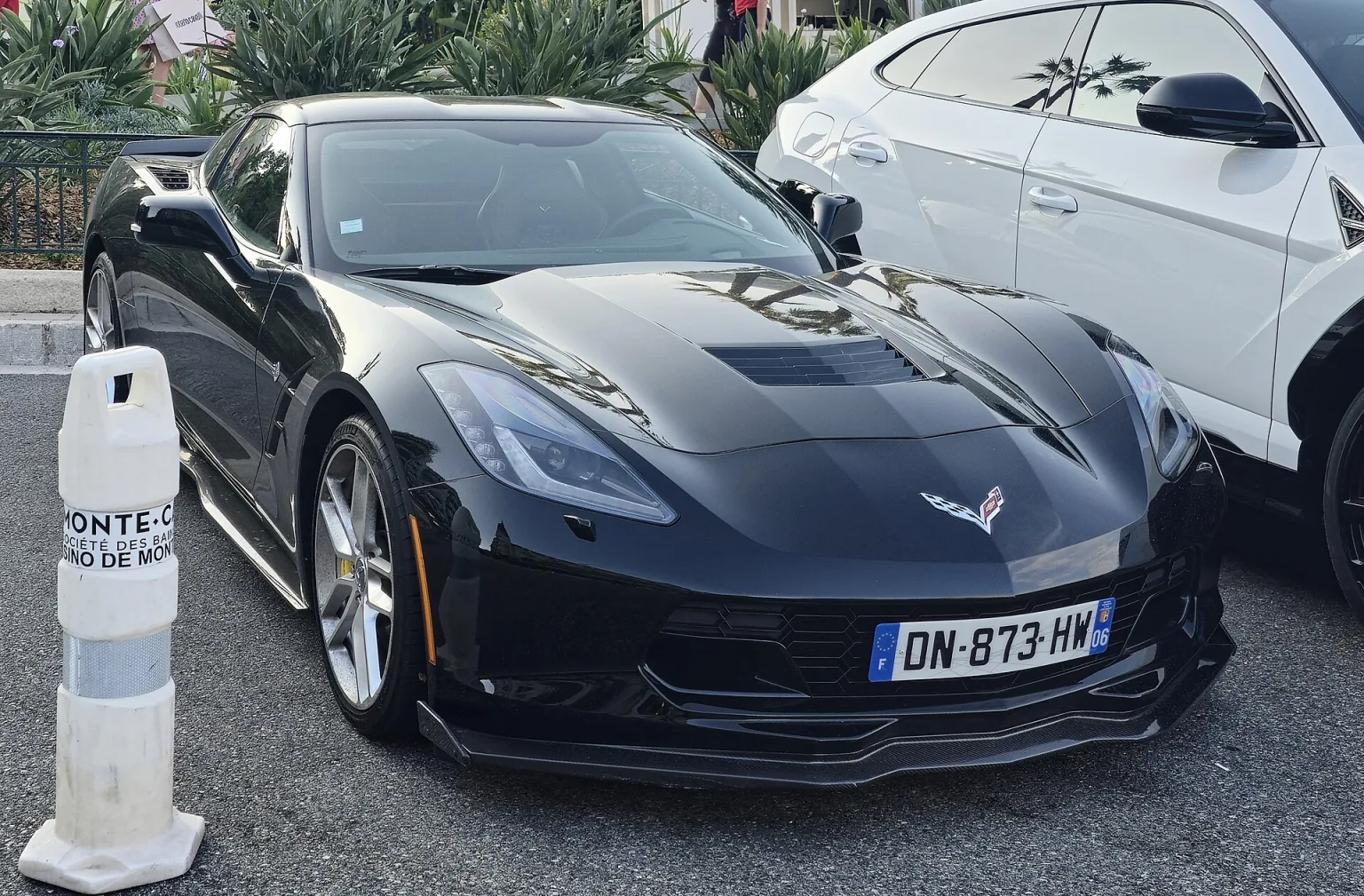
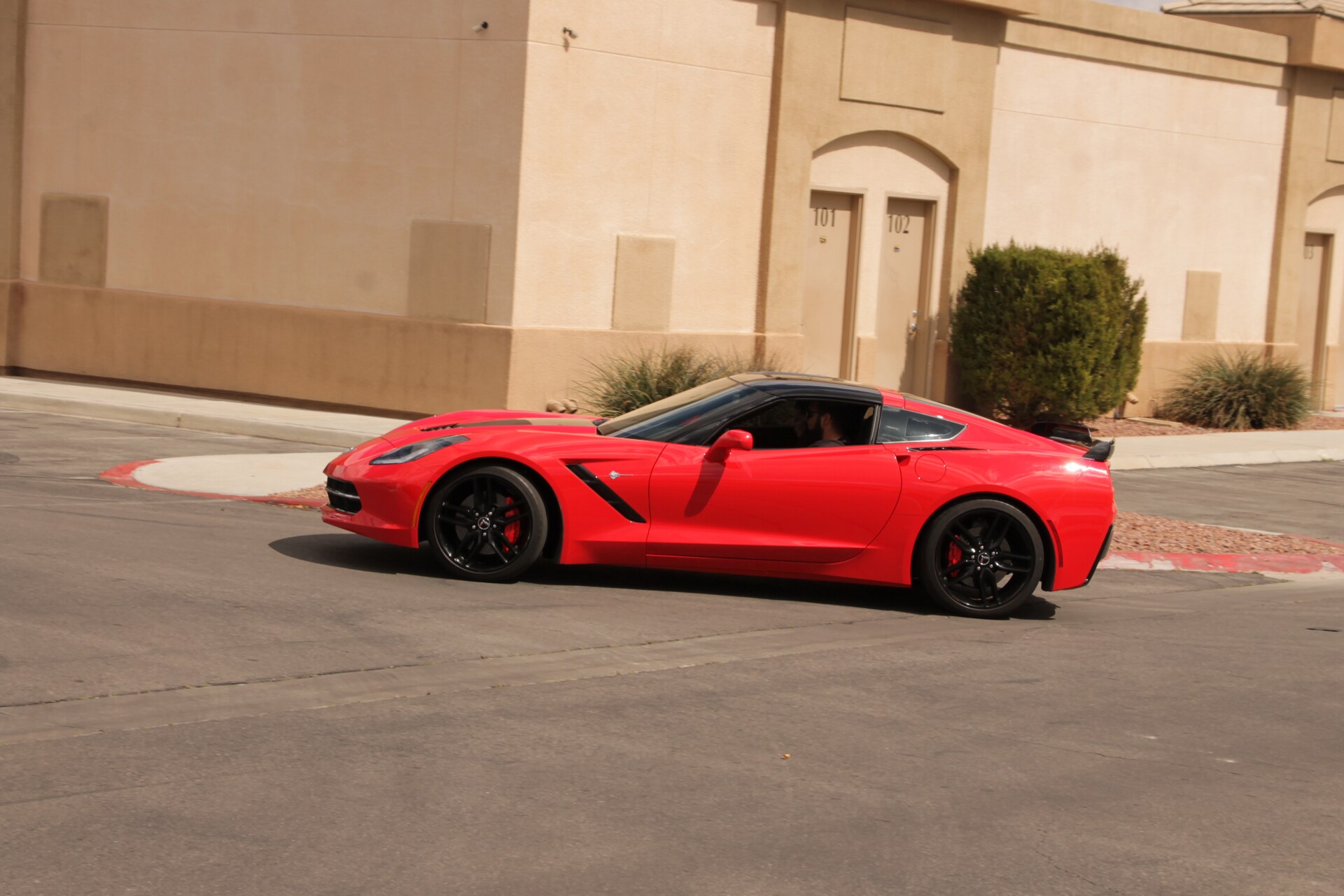
Two brand new 2014 Chevrolet Corvette Stingrays were damaged after a customer, behind the wheel of a Chevrolet Impala on a test drive, reversed into the sports cars at a US dealership. The incident, which took place in 2013, left both high-value Corvettes with bodywork damage but resulted in no injuries and no charges for the driver.
Incident Overview
- Incident occurred during a Chevrolet Impala test drive at a US dealership in 2013
- Driver reversed Impala into two new 2014 Corvette Stingrays
- Both Stingrays sustained damage; no injuries reported
- Driver was not fined or charged for the incident
How the Accident Happened
The Impala was being demonstrated to a prospective buyer when the driver, while reversing, struck two parked Corvette Stingrays on the dealership forecourt. Both Corvettes were 2014 C7 models, which had only recently arrived at showrooms and were in high demand at the time, with reported waiting lists stretching to six months for the standard version and up to a year for the Z51 performance variant. Dealership staff and the driver were unhurt. No police action was taken and the driver was not fined.
Details about the extent of the damage to the Corvettes, or the cost of repairs, were not made public. The Impala itself was also likely to have sustained some rear-end damage, though this was not specified. Both Corvette Stingrays involved were 2014 C7 models, the first year of the new generation.
2014 Corvette Stingray: Model Details and Demand
The 2014 Corvette Stingray marked the debut of the C7 generation, powered by a 6.2-litre V8 producing 450hp and 450 lb-ft of torque. Buyers could choose between a seven-speed manual or an eight-speed automatic gearbox. The car's launch attracted considerable attention, and early examples were closely watched by enthusiasts and dealers alike. With the C7’s arrival, Chevrolet introduced an updated design and new technologies, making the model a focus of excitement in the sports car market.
At the time of the incident, the Stingray was subject to significant waiting lists, with customers facing up to six months for the standard model and nearly a year for the Z51 performance variant. This high demand meant that any damage to showroom vehicles was not only a logistical issue for the dealership but also a disappointment for potential buyers eager to see the latest model in person.
| Engine | 6.2-litre V8 |
|---|---|
| Power | 450hp |
| Torque | 450 lb-ft (609 Nm) |
| Transmission options | 7-speed manual or 8-speed automatic |
| Drive | Rear-wheel drive |
Consequences for the Dealership and Buyers
The accident did not appear to affect availability for customers with existing orders, but it did highlight the risks that come with moving high-value, newly launched models around busy dealership sites. The C7's desirability meant that even minor damage could affect resale value, especially so early in the car's sales life. Showroom accidents involving sought-after models can create complications for dealerships, from managing repairs to explaining delays or damage to prospective customers.
While the dealership likely had insurance to cover such incidents, the loss of two showroom-fresh Corvettes would have been a frustration for both staff and buyers still waiting for delivery. The incident also served as a reminder of the importance of careful vehicle handling, particularly with high-value cars.
Test Drive Risks and Broader Context
Test drives are a routine part of the car-buying process, but incidents like this underline the need for caution when moving vehicles in confined spaces. Dealerships work to minimise such risks, but accidents can still occur, especially when unfamiliar drivers are behind the wheel. In this case, the absence of injuries or legal repercussions was fortunate, though the financial and logistical impact for the dealership was likely considerable.
Similar incidents have occurred elsewhere, highlighting that even experienced staff and robust procedures cannot entirely eliminate the possibility of accidents. For example, there have been reports of high-performance vehicles being damaged during test drives at other dealerships, sometimes with more serious outcomes. These events serve as reminders for both buyers and sellers to exercise care, particularly with newly released or high-value models.
For another example of a test drive gone wrong, see the case where a Ferrari California test drive ended in San Francisco Bay, illustrating that even rare and expensive cars are not immune to mishaps during demonstrations.