Mazda and Fuji Heavy Lift Profit Forecasts as Yen Weakens
Both Mazda and Fuji Heavy Industries raised their annual profit targets for the 2012 fiscal year, citing the yen’s sharp depreciation as a key driver for export gains.
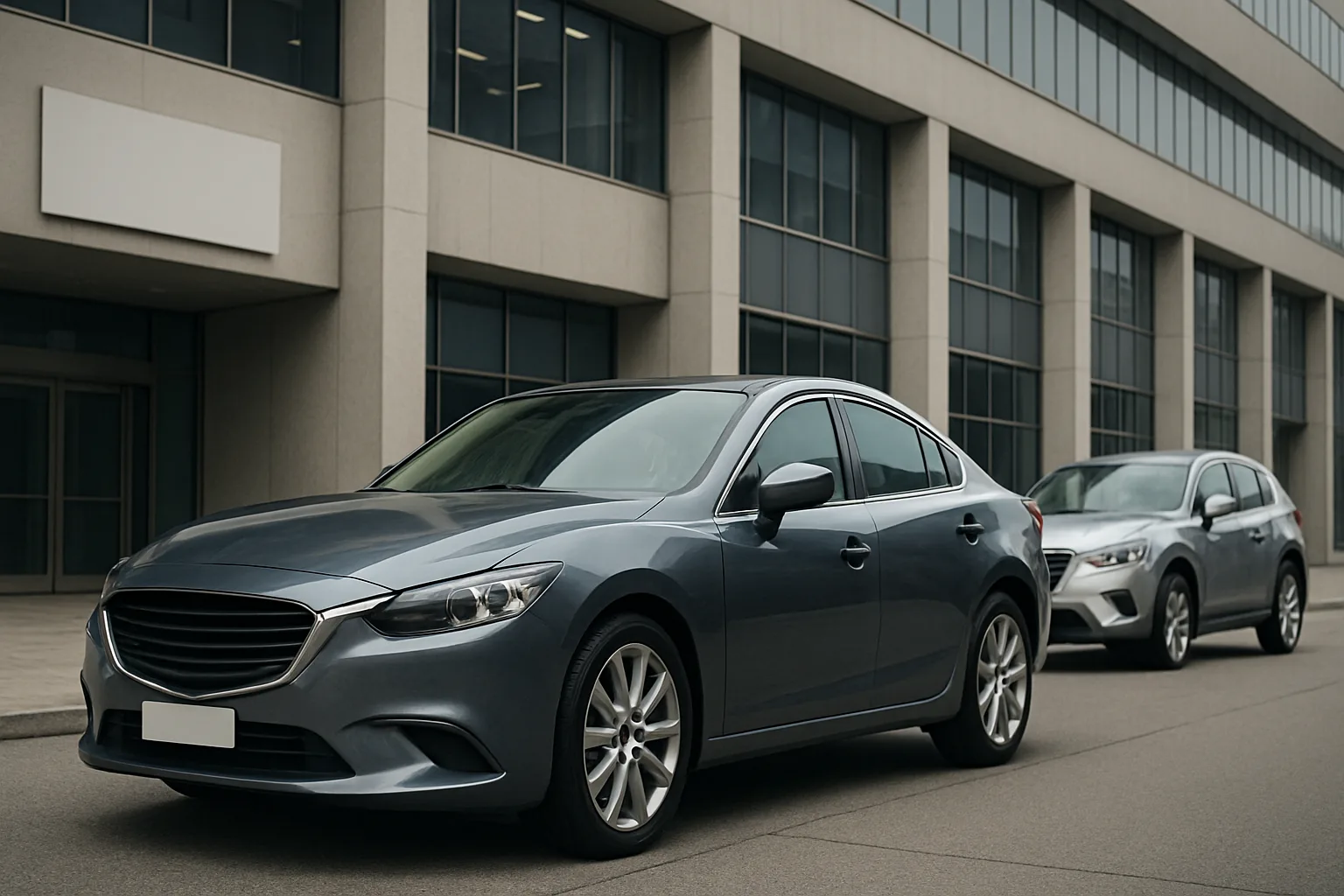
Mazda Motor Corporation and Fuji Heavy Industries, the parent of Subaru, have both raised their net income forecasts for the year ending March 2013. The companies cited the sharply weaker yen as the main factor driving up the value of overseas earnings when repatriated to Japan.
Mazda more than doubled its net profit target to 26 billion yen (about $277 million) for the fiscal year, while Fuji Heavy increased its forecast by 13% to 76 billion yen. Both companies have a high proportion of domestic production, which makes them especially sensitive to currency movements. In 2012, Mazda manufactured 71% of its vehicles in Japan, and Fuji Heavy 75%.
Yen depreciation boosts export profits
The yen’s slide to its lowest level in over two years has improved the competitiveness of Japanese exports and increased the value of overseas sales when converted back to yen. This benefits manufacturers with strong exports and domestic production, such as Mazda and Fuji Heavy. The companies’ revised forecasts follow similar moves by Toyota, which also raised its profit target as the currency weakened.
The impact of the weaker yen is especially pronounced for firms with a high export ratio. According to Fuji Heavy, the company planned to sell 722,000 vehicles in 2013, revising its forecast upwards by 8,000 units. Its US sales reached a record high in 2012, driven by the success of the Subaru Impreza hatchback. Mazda’s raised forecast reflects similar export momentum. Both companies’ reliance on domestic production, rather than overseas factories, means currency movements directly affect their bottom line.
Industry context and future outlook
The profit upgrades from Mazda and Fuji Heavy mirror the broader trend among Japanese automakers, who are benefiting from the yen’s correction after a period of historic strength. While the current environment favours exporters, some manufacturers have signalled longer-term intentions to shift more production overseas to reduce currency risk. Fuji Heavy’s CFO, Mitsuru Takahashi, has previously indicated the company’s interest in building cars closer to their end markets, though for now domestic output remains dominant.
With the yen at multi-year lows and export demand holding up, Mazda and Fuji Heavy expect to close the 2012 fiscal year with much healthier profits than previously forecast. The long-term production strategy for both companies may evolve if currency volatility persists, but for now the weak yen has delivered a clear windfall.