Mercedes turns to cloud computing to defend cars from hackers
Mercedes-Benz is using cloud technology to protect its connected vehicles from cyberattacks, giving owners more control over their data as cars become increasingly networked.
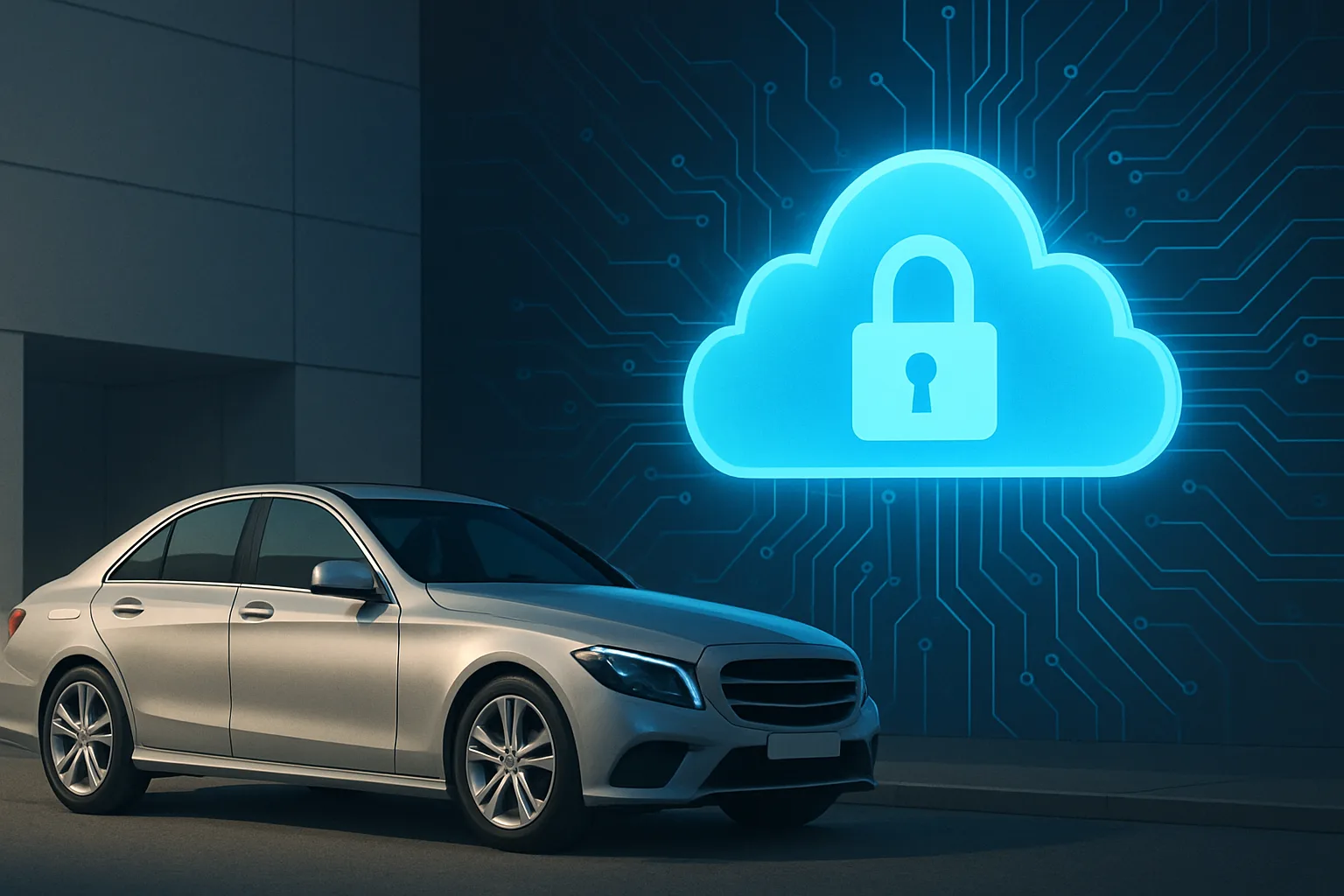
Mercedes-Benz has adopted cloud computing as a core part of its strategy to defend its vehicles against hackers, as the company prepares for a future dominated by connected and autonomous cars. The move is designed to secure the vast amounts of data generated by modern vehicles and to give owners more say over what information leaves the car.
Cloud-based security for connected cars
With new models relying heavily on software for everything from infotainment to vehicle-to-vehicle communication, the risk of cyberattacks has become a persistent concern for manufacturers. Mercedes-Benz is responding by shifting sensitive data and security functions to the cloud, which the company says allows for more robust protection and faster updates when threats are detected.
Christine Hohmann-Dennhardt, who led legal affairs at parent company Daimler, described the initiative as essential for both safety and privacy. She said the company was committed to ensuring that owners could control how much data is shared with external parties, a response to growing concerns about personal data exposure as cars become more connected.
The company’s approach also addresses regulatory and consumer demands for transparency and control over vehicle data, as legislators in Europe and elsewhere set standards for connected and autonomous vehicles. By using cloud computing, Mercedes can adapt more quickly to these evolving requirements and deploy security measures without requiring physical recalls or dealer visits.
Testing defences with ethical hackers
To test its systems, Mercedes invited specialist contractors to attempt to breach the S-Class’s computer networks. Over three months, these 'white hat' hackers were unable to compromise the vehicle’s defences, according to the company. This exercise was intended to identify vulnerabilities before malicious actors could exploit them, and to demonstrate the effectiveness of Mercedes’ security protocols.
Implications for buyers and the industry
For buyers, the shift to cloud-based security means their vehicles can receive updates and patches in response to new threats without a workshop visit. Owners also benefit from clearer settings to manage data sharing, which could become a selling point as privacy concerns grow. For the wider industry, Mercedes’ public focus on cybersecurity sets a precedent that other manufacturers are likely to follow as vehicles become more reliant on software and connectivity.
The company’s efforts are part of a broader trend as carmakers confront the risks and responsibilities of the digital age. As more vehicles join the internet of things, robust cybersecurity will be as critical to safety as mechanical reliability or crash protection.
For further context on how software is shaping the future of vehicle development, seeSoftware Takes Centre Stage in Modern Car Development.