Microsoft and Toyota confirm partnership on smart-grid and cloud tech
Toyota and Microsoft announced a collaboration focused on smart-grid energy management and cloud computing, aiming to improve efficiency in future electrified vehicles.
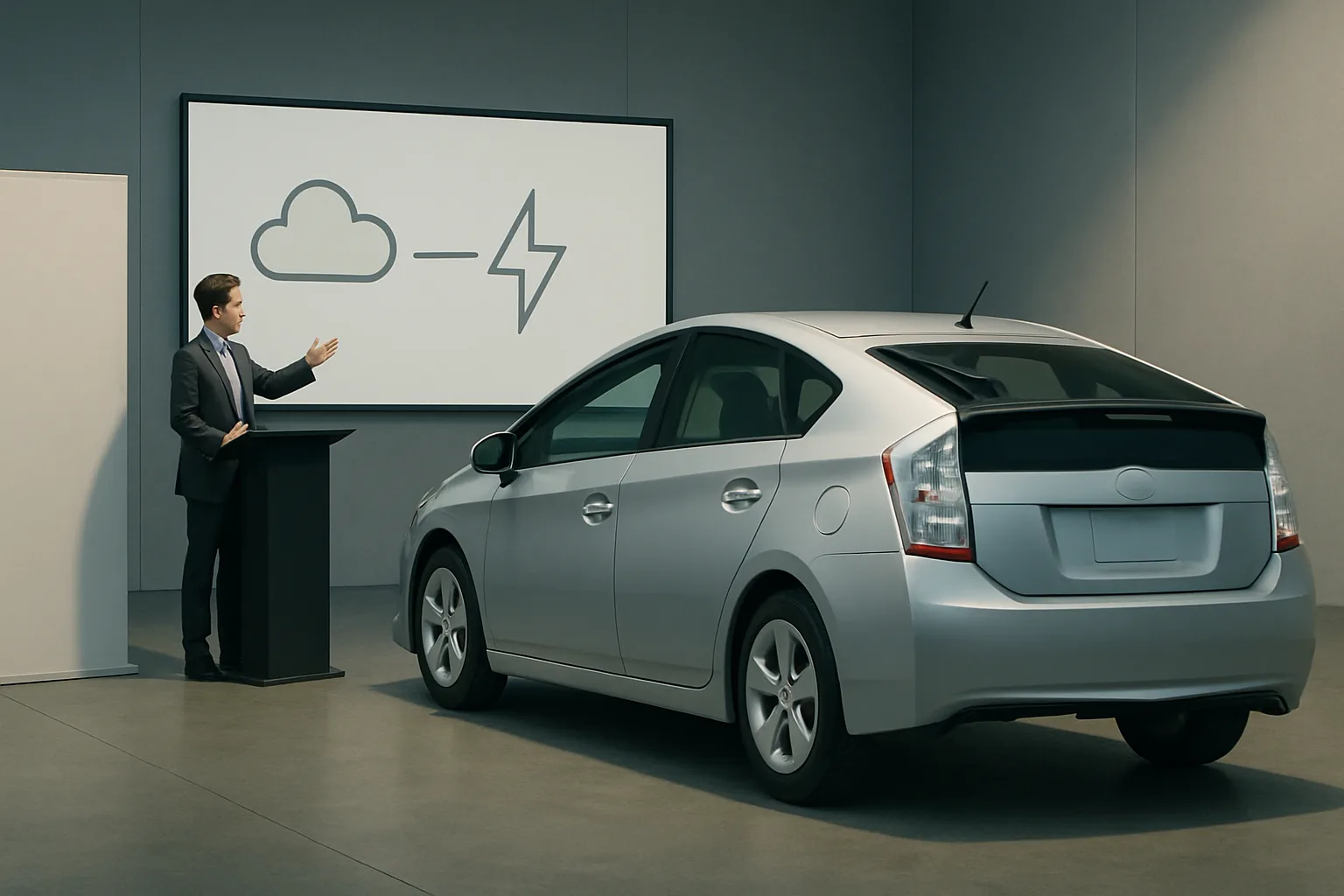
Toyota and Microsoft revealed their new partnership on 6 April 2011, confirming plans to work together on advanced smart-grid and cloud computing technology for vehicles. The announcement was made at a joint press conference, with both companies highlighting their intention to integrate innovative energy management systems and telematics into future Toyota vehicles. This partnership marks a significant step for both companies, as they seek to address the growing demand for more energy-efficient and connected cars.
Background to the Collaboration
Smart-Grid Technology for Efficient Energy Use
A key focus of the collaboration is the development of smart-grid technology designed to make the use of electricity in vehicles more efficient. According to a report by Japanese daily Nikkei, the smart-grid system will manage how cars interact with the electricity grid. This approach has the potential to lower charging costs for drivers and reduce the overall environmental impact of vehicle charging. By enabling vehicles to communicate with the grid, Toyota and Microsoft aim to optimise charging times, balance energy loads, and support the integration of renewable energy sources into daily vehicle use.
The smart-grid initiative aligns with broader trends in the automotive industry, where manufacturers are increasingly looking for ways to make electric and plug-in hybrid vehicles more practical and environmentally friendly. Efficient energy management is becoming a central concern as more drivers consider switching to electrified vehicles.
Cloud Computing and Telematics Services
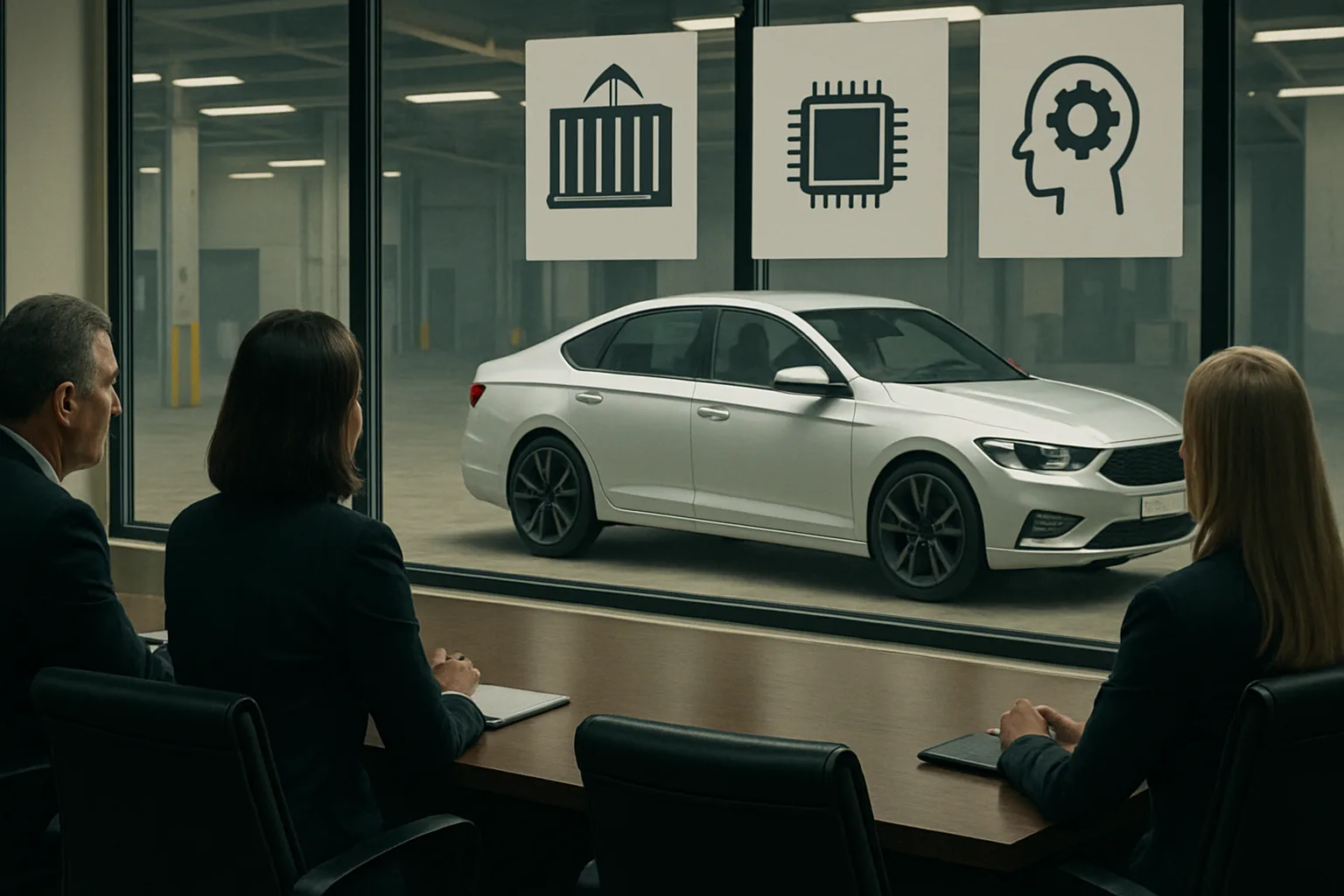
The partnership will also see Toyota expand its use of Microsoft’s cloud computing services, particularly the Azure platform. By leveraging Azure, Toyota can offer enhanced telematics services in its vehicles. These services may include remote battery monitoring, charging management, real-time navigation updates, and improved data management for drivers and service providers. The use of cloud technology is expected to enable greater connectivity and flexibility, allowing drivers to access vehicle information and services from anywhere with an internet connection.
Microsoft has previously worked with other car manufacturers, such as Ford, where it provided the software for the Sync infotainment system. However, the collaboration with Toyota is more focused on back-end services and energy management, rather than in-car entertainment. This shift reflects the changing priorities in the automotive sector, with an emphasis on electrification, connectivity, and digital services.
Potential Benefits for Toyota Owners
For Toyota customers, the collaboration could bring several advantages in upcoming electric and plug-in hybrid models. Owners may benefit from features such as smarter charging, remote diagnostics, and integration with home energy systems. The ability to manage charging remotely, receive real-time updates, and monitor vehicle health could make owning an electric vehicle more convenient and cost-effective.
The initial rollout of these technologies is expected to begin in Japan, with plans for global expansion as infrastructure improves and consumer demand increases. The integration of cloud-based telematics and smart-grid charging could position Toyota as a leader in the next generation of connected, energy-efficient vehicles.
How the Partnership Fits Broader Industry Trends
Toyota’s decision to deepen its relationship with Microsoft reflects a broader strategy to invest in electrification and digital transformation. As carmakers face stricter emissions regulations and shifting consumer expectations, partnerships with technology companies are becoming increasingly important. Microsoft, for its part, has made cloud computing a top sales priority, and the automotive sector is a key area for growth.
Other manufacturers, including Nissan and Volkswagen, have also worked with Microsoft on telematics and multimedia solutions. These collaborations highlight a growing trend where traditional carmakers seek out technology partners to help them adapt to a rapidly changing market. The integration of cloud computing, smart-grid technology, and advanced telematics is likely to become standard in future vehicles as the industry moves towards greater connectivity and sustainability.
Summary of Key Features and Implications
- Smart-grid charging management for electric and plug-in hybrid Toyotas
- Azure-based telematics platform for vehicle data and remote services
- Potential integration with home and city energy systems
- Enhanced connectivity and remote diagnostics for owners
- Initial rollout in Japan, with global expansion planned
While further details on rollout dates and specific models are yet to be announced, the partnership between Toyota and Microsoft signals a shift towards cloud-backed, energy-aware vehicles that can interact intelligently with the grid. This collaboration is expected to set the stage for more efficient, connected, and environmentally friendly cars in the years ahead.