Mitsubishi urges EV and hybrid owners to halt charging after battery incidents
Mitsubishi has asked 4,000 owners of its electric and plug-in hybrid vehicles to stop charging their cars while it investigates two battery overheating incidents linked to its supplier.
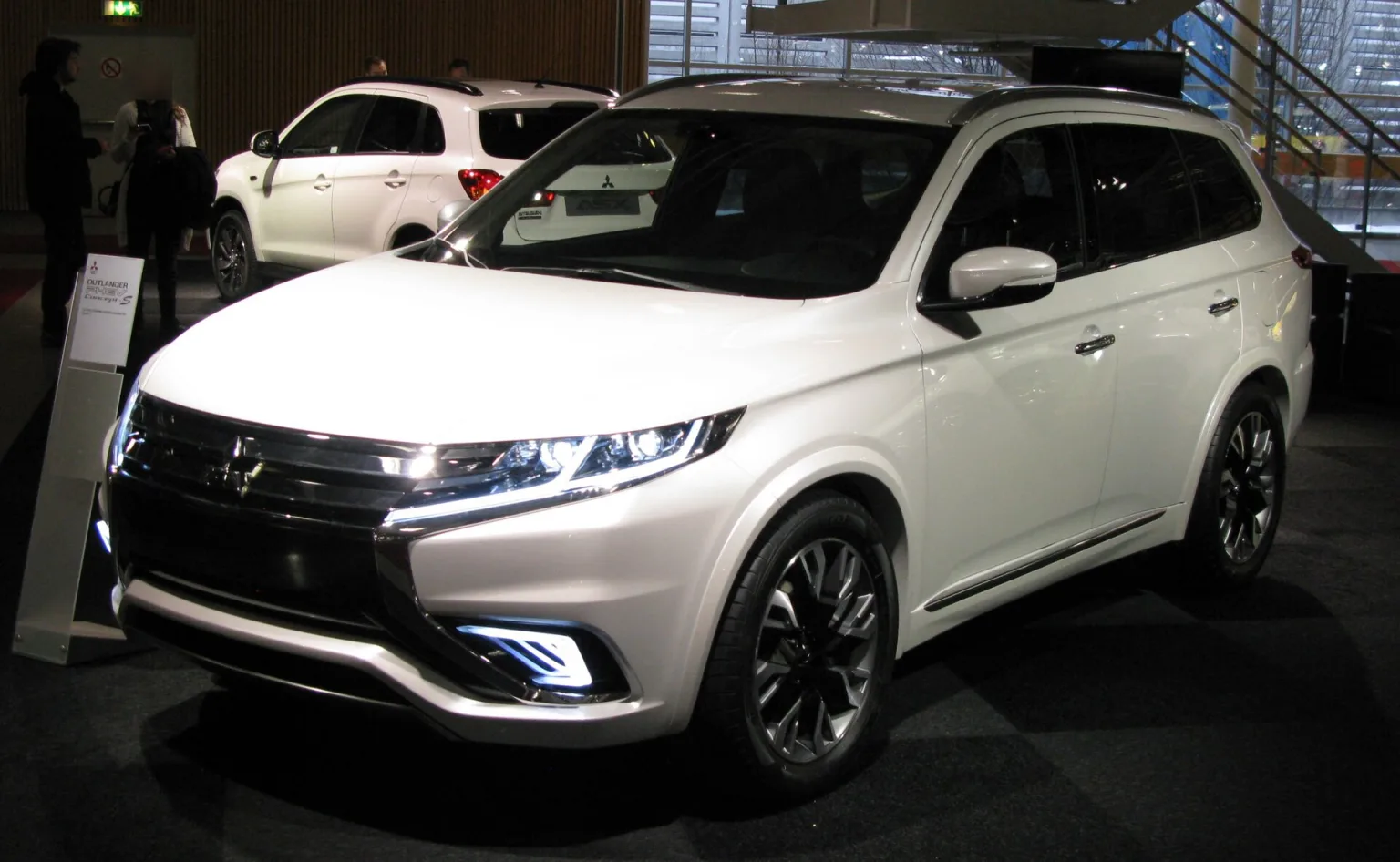
Mitsubishi Motors has asked around 4,000 owners of its electric and plug-in hybrid vehicles in Japan to stop charging their cars immediately while it investigates two recent incidents involving overheating lithium-ion battery packs.
The company issued the warning on 27 March 2013 after a fire broke out at the plant producing the Mitsubishi i-MiEV, and a separate case saw the battery pack of an Outlander PHEV melt while awaiting sale. No injuries were reported in either incident, but both involved battery packs supplied by the Mitsubishi-GS Yuasa joint venture.
Battery supplier under scrutiny
Both affected battery packs were manufactured by Lithium Energy Japan, a joint venture between Mitsubishi Motors, Mitsubishi Corporation and GS Yuasa. Mitsubishi suspects a recent change in the battery production line may have contributed to the faults, though the precise cause had not been confirmed at the time of the warning.
GS Yuasa had already faced international attention earlier in 2013 after lithium-ion batteries supplied to Boeing for its 787 Dreamliner were implicated in a fire that grounded the aircraft worldwide. Investigators did not ultimately find the company at fault for the Boeing incident, but the timing of the Mitsubishi cases increased scrutiny of the supplier’s quality controls.
Impact on Mitsubishi's EV and hybrid rollout
The Outlander PHEV had only launched in January 2013, with 4,000 units sold by late March. The investigation and charging halt affected both the Outlander PHEV and the i-MiEV, two of Mitsubishi’s headline electrified models. The company said it had not received any similar complaints from owners, and the request to stop charging was issued as a precaution while it worked to identify the cause.
Mitsubishi’s move highlights the risks associated with rapid electric vehicle deployment and the complexity of battery supply chains. As battery production expands to meet growing EV demand, manufacturers face pressure to maintain strict quality control. The investigation’s findings could have implications for other automakers sourcing batteries from GS Yuasa or similar suppliers.
Context: battery safety and industry response
The lithium-ion battery sector had already seen high-profile incidents in early 2013, including the Boeing 787 fire and several electric vehicle fires globally. Battery overheating can result from manufacturing defects, cell contamination or thermal management failures. For automakers, swift action and transparent communication are essential to maintain consumer trust in electrified models.
As the investigation continued, Mitsubishi’s handling of the situation was watched closely by industry peers and regulators. The outcome was expected to inform future quality assurance processes for battery suppliers across the sector.