Subaru WRX STI Gains Power and Presence for 2011
The 2011 Subaru WRX STI arrives with a 305-horsepower turbocharged engine, revised chassis tuning and a wider body, strengthening its appeal among performance saloons.
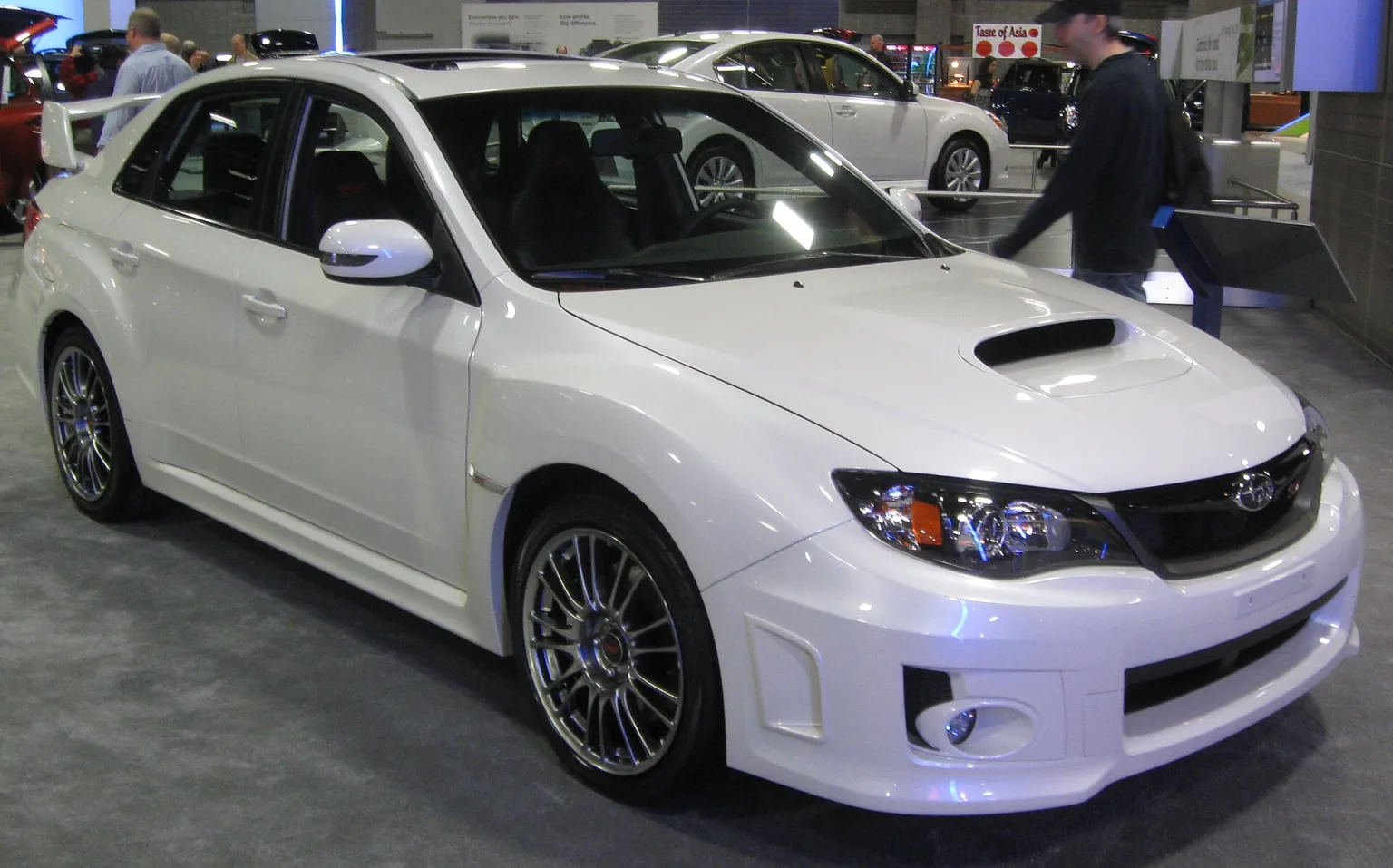
Subaru brought a sharper focus to its flagship WRX STI in 2011, delivering a 305-horsepower turbocharged 2.5-litre flat-four, wider track, and suspension changes aimed at raising its game against rivals such as the Mitsubishi Lancer Evolution.
Powertrain and Performance
The 2011 WRX STI continues with Subaru’s 2.5-litre turbocharged boxer engine, producing 305hp and 300lb ft of torque. This output, first introduced with the 2004 US-market STI, positions the car ahead of the standard WRX, which remains at 265hp for 2011. The STI’s engine features variable valve timing, a drive-by-wire throttle, and a larger intercooler with a driver-activated water spray system to reduce charge-air temperatures under hard use.
Power is sent to all four wheels via a six-speed manual gearbox, with Subaru’s Driver Controlled Center Differential (DCCD) allowing the driver to adjust the front-to-rear torque split. Limited-slip differentials are fitted front and rear. The STI’s performance figures, including a 0-60mph time of under five seconds, keep it competitive in the segment.
Chassis and Body Updates
For 2011, the STI adopts a wider body style, previously exclusive to the hatchback, across both four- and five-door variants. The front and rear tracks are 1.5 inches wider than before, and the wheels are now 17 inches in diameter but an inch wider at 8 inches, shod with 235/45R-17 tyres. The result is a more aggressive stance and improved cornering grip.
Chassis rigidity is increased with additional crossmembers, and the suspension receives stiffer dampers, bushings and anti-roll bars. Braking is handled by Brembo-supplied hardware, with larger discs and four-piston front calipers. These upgrades, combined with the wider track, deliver higher corner-entry speeds and improved stability under hard driving.
Interior and Features
Inside, the STI retains much of the Impreza’s layout but adds heavily bolstered sport seats, a leather-wrapped steering wheel, and revised instrumentation. For 2011, Subaru partnered with KICKER to offer an optional performance audio upgrade, including a 10-inch powered subwoofer and integrated amplifier, available through dealers for all 2008-2011 Impreza and WRX STI models.
Market Position and Rivals
The 2011 WRX STI’s updates keep it in close competition with the Mitsubishi Lancer Evolution, offering a blend of outright pace, everyday usability and rally-inspired technology. While the Mitsubishi’s suspension is more aggressively tuned, the STI’s broader powerband and improved ride comfort make it more suited to varied road conditions. Both cars remain benchmarks among all-wheel-drive performance saloons.
The 2011 model also benefits from the wide-body look, aligning the WRX STI more closely with its motorsport heritage and giving buyers a more distinctive, purposeful design.
Reliability and Recalls
A 2014 J.D. Power survey found that 2011 model-year cars, including the WRX STI, saw a slight increase in reported problems compared to previous years. Issues such as engine hesitation and rough transmission shifts were noted across several brands, attributed to rapid changes in fuel economy technology. No major recalls affecting the 2011 WRX STI were reported at launch.
Related reading
- /2011-subaru-imprezar-wrxr-model
- /2013-subaru-impreza-wrx-and-wrx-sti-special-editions-launched-in-the-u-s
- /2014-detroit-motor-show-live-2015-subaru-wrx-sti