Morgan Stanley Analyst Predicts End of Human Driving, Tesla Shares Tumble
A Morgan Stanley analyst’s prediction that autonomous vehicles will end human driving triggered a sharp fall in Tesla’s share price, raising questions about the carmaker’s future role.
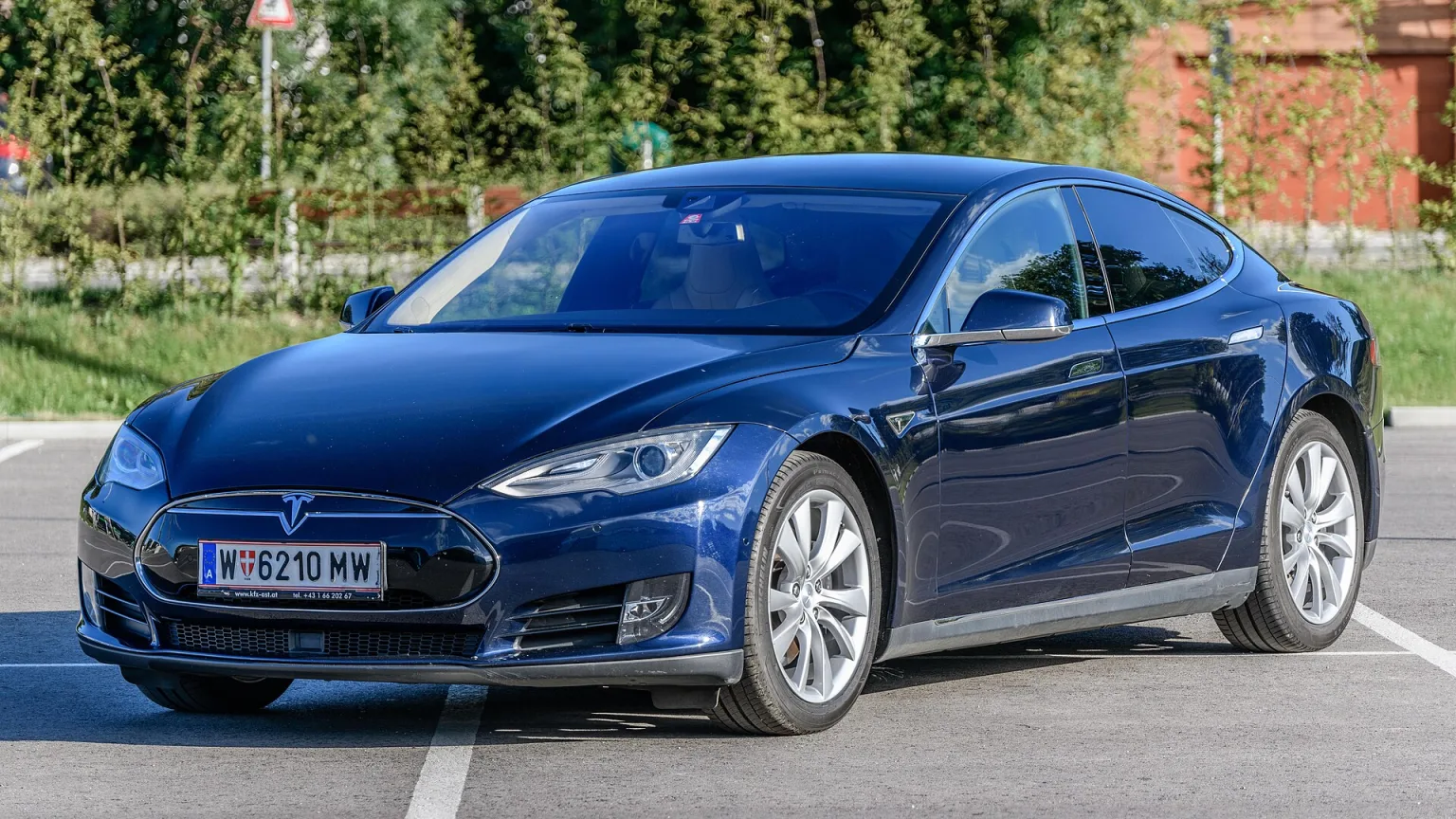
A research note from Morgan Stanley’s Adam Jonas sent Tesla’s share price down more than 9% after he predicted that the era of human driving is coming to an end. Jonas, one of Wall Street’s most influential automotive analysts, argued that the rise of autonomous vehicles could fundamentally alter the business model for carmakers like Tesla.
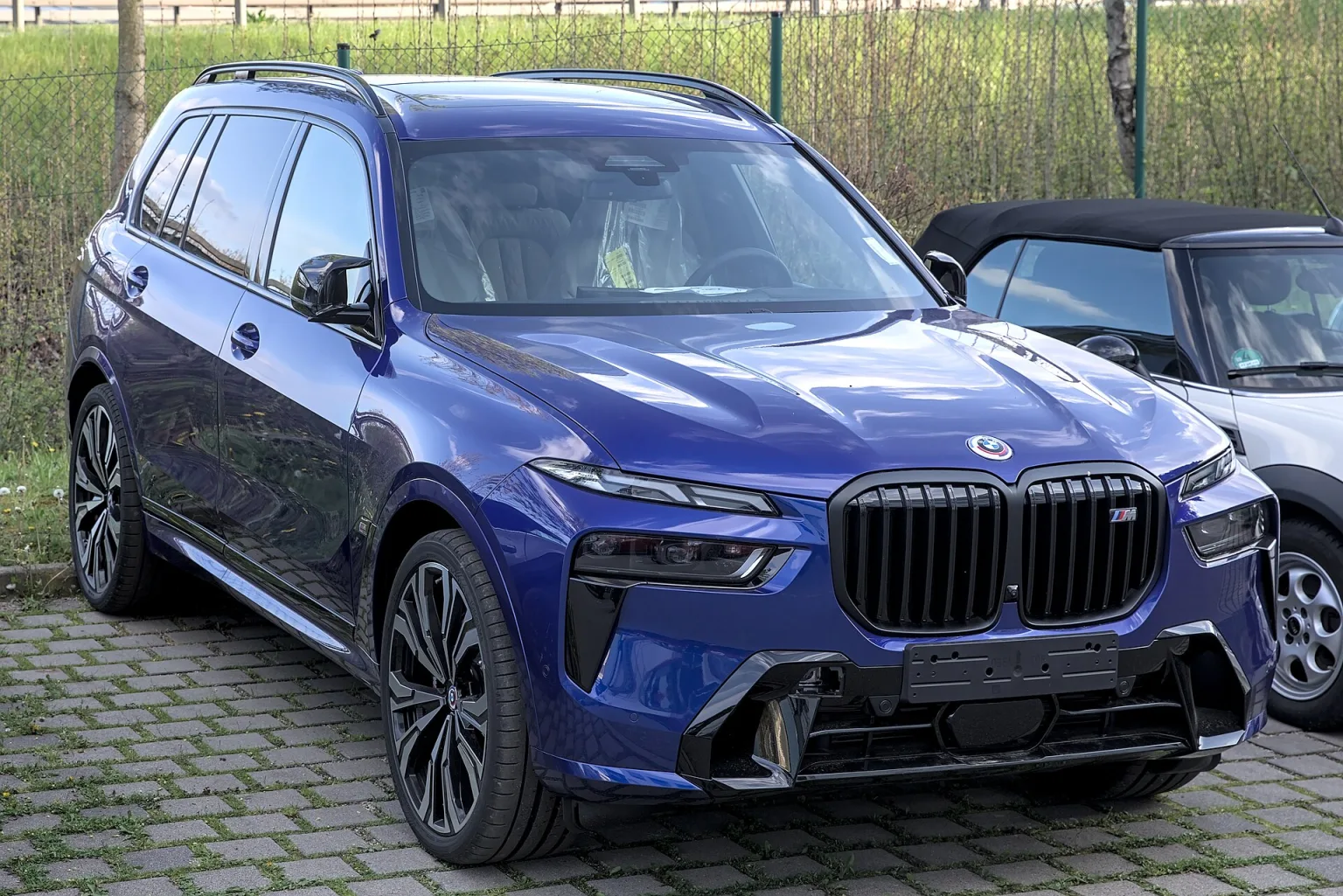
Jonas’s note, released on 15 September 2014, forecasted that within 15 years, human driving could become obsolete as autonomous technology matures. He questioned whether consumers would still buy cars at all, and if so, what would determine Tesla’s advantage in a market dominated by crowd-sourced mobility and large autonomous fleets. Jonas wrote that the rules are changing, and suggested that even established carmakers like BMW are preparing for a world where the steering wheel itself may disappear.
Impact on Tesla and the wider car industry
The immediate effect of Jonas’s prediction was felt by Tesla investors, with shares closing at $253 after a sharp drop. The note raised doubts about Tesla’s long-term prospects if private car ownership declines and competition shifts from hardware to software and fleet management. Jonas’s analysis suggested that Tesla’s current position as a manufacturer of electric vehicles may be undermined if the focus moves to autonomous mobility services rather than individual car sales.
Jonas also pointed to the potential for new entrants to disrupt the sector by applying advances in computing power, referencing Moore’s Law. He argued that companies able to harness this rapid technological progress could move people and goods more efficiently than traditional manufacturers, which may struggle to adapt their business models. The analysis placed Tesla’s future in doubt, but also implied that legacy carmakers such as BMW are not ignoring the shift towards autonomy.
Autonomous future and industry uncertainty
Jonas’s remarks came as the industry was already debating how quickly autonomous vehicles could become mainstream and what that would mean for established brands. His note contributed to ongoing speculation about whether car ownership will give way to shared mobility operated by large fleets, and how traditional manufacturers and new entrants will compete in a market shaped by software and data as much as engineering. For more on the challenges facing autonomous vehicle deployment, seeGoogle’s self-driving cars frequently rear-ended in US tests.
While Jonas’s prediction of the end of human driving is ambitious, it reflects a growing belief among some analysts that the automotive sector is on the verge of a profound transformation. The reaction from investors underlines how seriously financial markets are taking the prospect of a shift from car ownership to autonomous mobility services.