Google’s self-driving cars frequently rear-ended in US tests
A Google autonomous Lexus RX450h was struck from behind in Mountain View, injuring three, as rear-end collisions continue to dominate the tech giant’s self-driving car incident record.
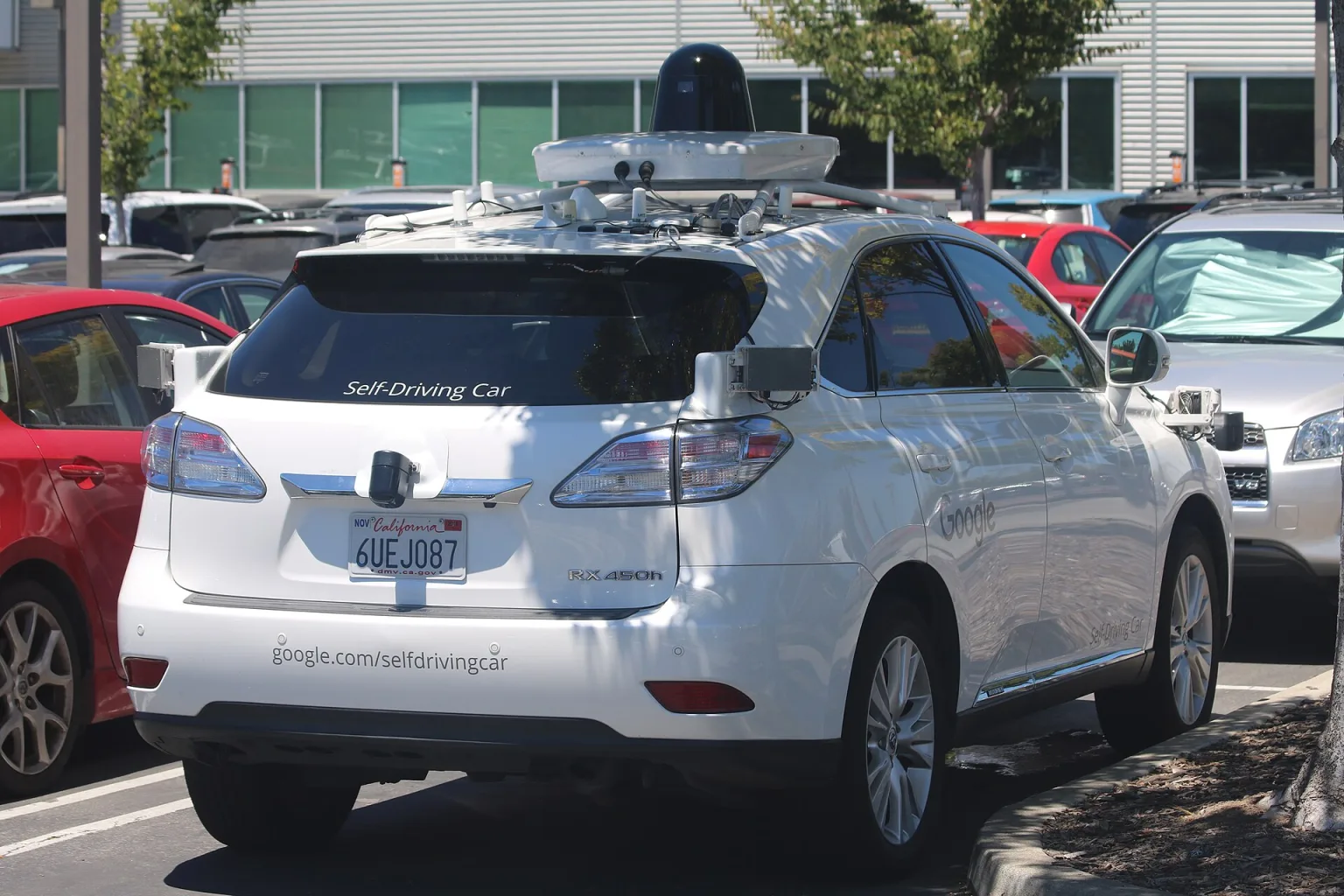
A Google self-driving Lexus RX450h was rear-ended on 1 July 2015 in Mountain View, California, leaving three company employees with minor whiplash injuries. The vehicle, equipped with Google’s autonomous technology, had stopped at a traffic light near the company’s headquarters when it was struck from behind by another car. All three occupants were taken to hospital and released the same day.
This was the first reported incident involving injuries among Google’s autonomous test fleet, which has been operating on public roads since 2009. According to the company, its self-driving vehicles have been involved in 14 accidents, with 11 of those being rear-end collisions caused by other drivers. Google maintains that its autonomous system has never been at fault in any of these incidents.
Rear-end collisions dominate Google’s crash record
The frequency of rear-end crashes points to a pattern: human drivers failing to notice or react to the stopped or slowing autonomous vehicles. Google has suggested that distraction and inattention are the main causes, rather than any behaviour unique to its self-driving technology. The company’s director of the autonomous vehicle project, Chris Urmson, has previously commented that the vehicles are “being hit surprisingly often by other drivers who are distracted and not paying attention to the road”.
At the time, Google’s test fleet comprised 23 modified Lexus SUVs, each fitted with proprietary sensors and software. The company had also begun limited public-road trials of its own compact, purpose-built autonomous prototypes in Mountain View and Austin, Texas. By July 2015, the fleet had collectively covered over one million miles in autonomous mode.
- 14 total accidents involving Google’s self-driving cars since 2009
- 11 of those were rear-end collisions
- No incident attributed to a fault with Google’s autonomous system
Implications for autonomous vehicle safety
While Google’s record suggests its vehicles are not at fault, the repeated pattern of rear-end collisions highlights challenges for the wider adoption of autonomous technology. The company argues that the technology is safe, but the behaviour of human drivers around autonomous vehicles remains unpredictable. The July 2015 incident brought the issue into sharper focus as it resulted in the first injuries among Google’s test drivers, though all were minor.
For more on Google’s autonomous vehicle development, see Google’s push accelerates autonomous car development.