NEVS Prepares to Restart Saab Production at Trollhättan, Plans to Hire 27 Workers
National Electric Vehicle Sweden moves closer to reviving Saab car production in Trollhättan, Sweden, with plans to recruit 27 assembly workers ahead of a targeted restart.
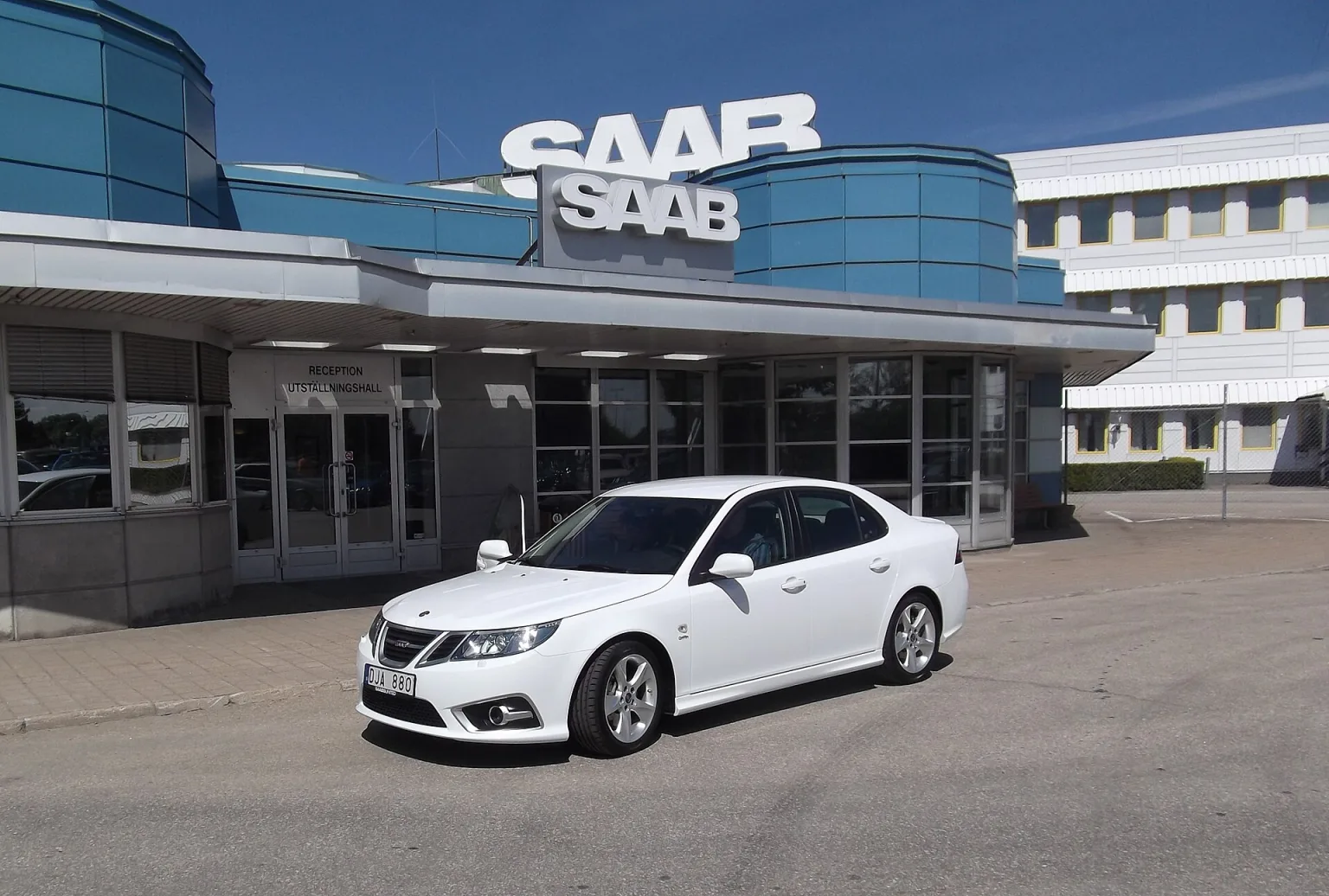
National Electric Vehicle Sweden (NEVS) is preparing to restart production of Saab vehicles at the Trollhättan plant in Sweden, with plans to hire 27 assembly line workers ahead of a targeted relaunch later in 2013. The recruitment drive marks the first step towards restoring activity at the former Saab factory, which has been largely dormant since the brand’s bankruptcy in 2011.
NEVS acquired Saab’s assets after the Swedish marque filed for bankruptcy, and now holds the rights to manufacture the last generation Saab 9-3, including an electric ePower variant that never reached production. The company also secured the right to use the Saab name, though not the Griffin logo, which remains with Saab AB, the aerospace and defence firm.
The planned recruitment comes as NEVS targets an autumn restart for Saab car production in Trollhättan. The company’s immediate focus is on hiring 27 assembly line workers, a modest figure compared to the plant’s workforce during Saab’s peak years, but a sign of renewed activity after a prolonged shutdown. Production at Trollhättan ceased in May 2011 when Saab was unable to pay suppliers and employees, leading to bankruptcy in December that year.
China Production Plans and Investment
While NEVS is preparing to restart the Swedish plant, the company has also signed an agreement with a Chinese investment group to build cars in Qingdao. The city’s government has taken a 22% stake in NEVS. This move reflects a dual strategy: reviving manufacturing in Trollhättan while also establishing a production base in China, a key growth market for electric vehicles. The Qingdao deal is expected to support NEVS’s ambitions for electric car production, particularly as the company holds the rights to the ePower version of the Saab 9-3.
Context: Saab’s Collapse and NEVS’s Role
Saab’s production lines fell silent in 2011 after the company, then owned by Spyker, was unable to resolve its mounting financial difficulties. Attempts to secure Chinese investment were blocked by GM, Saab’s former owner, which retained control over some intellectual property. This led to a high-profile legal dispute, with Spyker seeking $3 billion in damages from GM, though a US court dismissed the case and Spyker announced plans to appeal.
Since acquiring Saab’s assets, NEVS has focused on relaunching the brand with a mix of conventional and electric vehicles. The company’s decision to hire new staff at Trollhättan signals a cautious but tangible step towards restoring production, though the long-term scale of operations remains uncertain. NEVS’s strategy also includes leveraging Chinese investment and manufacturing capacity, reflecting the growing importance of China in the global automotive sector.
What the Restart Means for Workers and Trollhättan
For the local workforce, the initial recruitment of 27 assembly workers is modest, but it offers hope that more jobs could follow if production ramps up. Trollhättan’s automotive community has faced uncertainty since Saab’s collapse, and the restart could help restore confidence in the plant’s future, even if on a smaller scale than before. The move also aligns with broader trends of automakers balancing European heritage with new investment and production in Asia.
NEVS’s progress at Trollhättan will be closely watched by former Saab employees, local suppliers and industry observers, as the company attempts to revive a storied brand under new ownership and in a changing global market.