China's new warranty law puts pressure on small carmakers
A new vehicle warranty law in China, effective from 1 October 2013, increases consumer protection and is expected to raise costs for smaller domestic manufacturers.
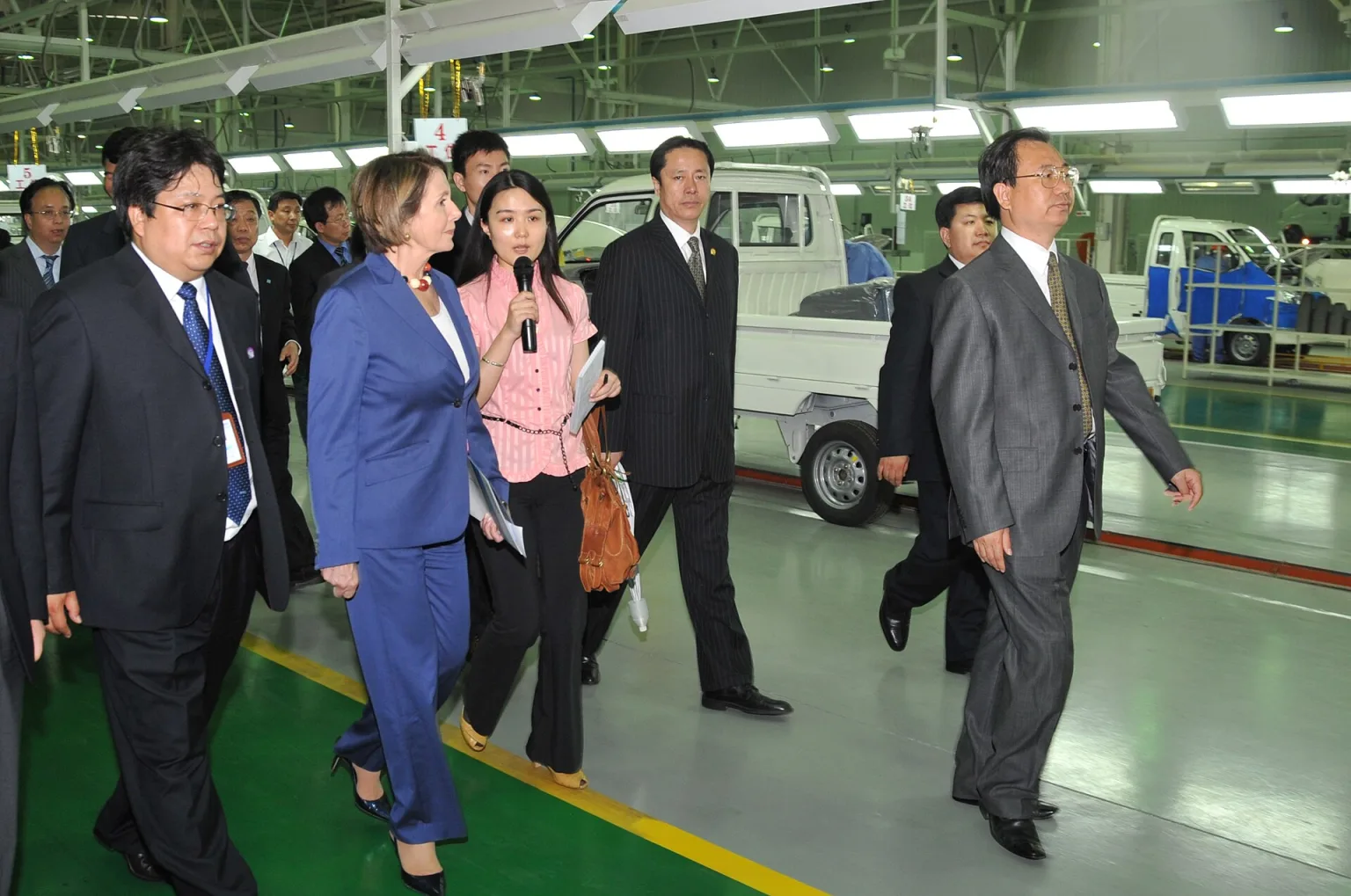
China's updated vehicle warranty law, implemented on 1 October 2013, introduces more stringent requirements for car manufacturers to repair or replace faulty vehicles. This regulation, often referred to as a 'lemon law,' brings Chinese consumer protection in line with standards seen in the United States and other mature markets. For Chinese car buyers, the law increases confidence in vehicle quality and provides greater recourse if persistent faults occur.
China's New Warranty Law: Overview and Purpose
The new law is designed to address longstanding concerns about vehicle reliability and aftersales service in China. By mandating that manufacturers offer free repairs or replacements for defective vehicles, the regulation aims to strengthen consumer rights and ensure a more level playing field between buyers and sellers. This move reflects the government's broader efforts to modernise the country's automotive sector and protect consumers in the world's largest car market.
Impact on Small Domestic Manufacturers
While large global manufacturers such as General Motors and Toyota already comply with similar warranty standards in their home and international markets, the new law presents a significant challenge for China's smaller, lesser-known carmakers. Many of these companies operate with limited resources and less rigorous quality control systems, making it difficult to absorb increased warranty costs. The law could therefore accelerate financial strain for these brands, many of which are already grappling with thin profit margins and slowing sales growth.
China currently has more than 70 registered automakers, most of which compete for a small share of the domestic market. Smaller brands typically focus on the lower end of the market, where cost pressures are already intense. The introduction of stricter warranty requirements may force these companies to improve product quality, invest in better aftersales support, or risk losing ground to larger, better-equipped rivals.
Industry Consolidation: Government's Underlying Goal
Industry analysts believe that the central government's intention is to encourage consolidation within the domestic automotive sector. By raising the bar for warranty and aftersales service, the law is expected to put additional pressure on weaker local brands. While the regulation is not anticipated to drive small automakers out of business immediately, it is likely to contribute to a gradual shake-out over the coming years. Companies unable to meet the new requirements or absorb the associated costs may eventually exit the market or merge with stronger competitors.
This approach aligns with broader policy trends in China, where authorities have signalled a preference for a smaller number of robust, competitive domestic manufacturers. As the market matures, the government appears to favour quality and stability over sheer numbers, aiming to create national champions capable of competing on the global stage. Analysts do not expect the new law to cause an immediate wave of bankruptcies among small automakers, but warn that the long-term effects could be significant if companies fail to adapt.
Global Brands: Minimal Impact Expected
For international carmakers, the new warranty law is unlikely to bring significant changes. Companies such as GM and Toyota already operate under comparable or stricter regulations in other markets, and have the resources, aftersales networks, and quality assurance systems necessary to comply with the new Chinese requirements. For these firms, adapting to the updated law is largely a matter of routine, and is not expected to result in major operational or financial disruptions.
Broader Industry Outlook
The Chinese automotive market remains highly competitive, with many small brands vying for a limited share of sales. In addition to the new warranty standards, automakers are also facing headwinds from a slowing economy and the introduction of stricter fuel economy regulations. For consumers, the updated law is a clear benefit, offering stronger protection and greater peace of mind when purchasing a new vehicle. However, for small domestic carmakers, it represents another hurdle in an already challenging business environment.
Summary Table: Impact of the New Warranty Law
| Aspect | Global Carmakers | Small Chinese Carmakers |
|---|---|---|
| Compliance with warranty law | Already meet or exceed requirements in other markets | May struggle to meet new standards |
| Quality control systems | Well-established | Often less rigorous |
| Aftersales support | Extensive networks | Limited resources |
| Financial impact | Minimal | Potentially significant |
| Market outlook | Stable position | Increased pressure and possible consolidation |