Next-gen Nissan GT-R to feature hybrid system and 784 HP
Nissan’s upcoming GT-R will combine its twin-turbo V6 with an electric motor for a total output of 784 HP, aiming for hybrid supercar territory.
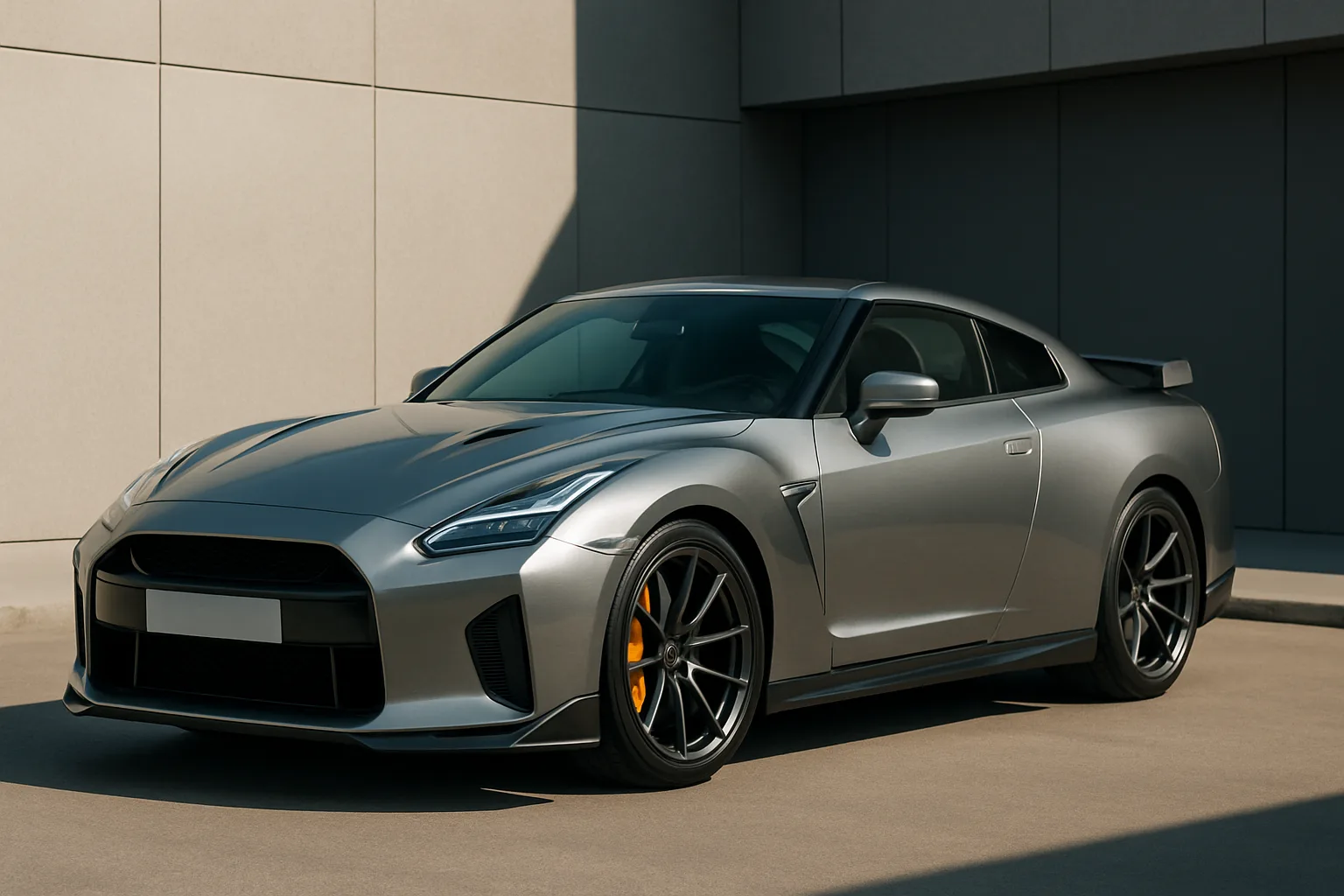
Nissan is preparing a major update to its flagship sports car, the GT-R, with the next generation set to introduce a hybrid powertrain for the first time in the model’s history. This move is part of a broader trend among high-performance vehicles, as manufacturers seek to combine traditional engine power with electric assistance to achieve both higher performance and improved efficiency.
Overview of the Next-Generation Nissan GT-R
Powertrain Details and Performance Targets
The new GT-R will retain its familiar 3.8-litre twin-turbocharged V6 engine, but this unit will undergo significant upgrades to boost power and ensure compatibility with the hybrid system. The petrol engine will be joined by an electric motor, together producing a combined output of 784 HP. Of this, the electric motor is expected to contribute around 134 HP, enhancing both acceleration and overall responsiveness.
The hybrid system is being co-developed with Williams Advanced Engineering, a division of the Williams Formula One team known for its expertise in high-performance hybrid technology. This collaboration aims to deliver a powertrain that is not only powerful but also more efficient than previous generations. The GT-R’s hybrid configuration will allow for improved energy recovery and deployment, similar to systems found in current Formula One cars and other top-tier hybrid supercars.
Comparison with Hybrid Supercar Rivals
With a targeted output of 784 HP, the next GT-R is poised to compete with some of the most renowned hybrid supercars on the market. Cars like the Ferrari LaFerrari, McLaren P1, and Porsche 918 Spyder have set benchmarks in combining combustion engines with electric motors for extraordinary performance. The GT-R’s performance ambitions place it within this elite group, suggesting Nissan’s intent to challenge established European rivals on both power and technology fronts.
| Model | Total Power Output (HP) |
|---|---|
| Nissan GT-R (next-gen, projected) | 784 |
| Ferrari LaFerrari | 950 |
| McLaren P1 | 903 |
| Porsche 918 Spyder | 887 |
Styling and Design Inspiration
Visually, the upcoming GT-R is expected to take cues from the Nissan Vision Gran Turismo concept, which showcased a futuristic and aggressive design language. This concept car featured sharp lines, a low stance, and dramatic proportions, all of which are likely to influence the new GT-R’s appearance. The adoption of a hybrid layout may also allow Nissan to experiment with new packaging solutions and aerodynamic enhancements, potentially resulting in a more distinctive and efficient design compared to the outgoing R35 model.
Timeline: Concept Reveal and Production Launch
Nissan is expected to unveil a concept version of the next-generation GT-R at the 2015 Tokyo Motor Show. This event will likely provide the first official glimpse of the new car’s styling direction and technological advancements. However, the production version is not anticipated until 2018, meaning the current R35 GT-R, first launched in 2007, will remain in showrooms for over a decade before being replaced. This long lifecycle highlights the significance of the changes coming with the new model.
Collaboration with Williams F1 and Hybrid System Development
The partnership between Nissan and Williams Advanced Engineering is a key aspect of the next GT-R’s development. Williams brings experience from Formula One and other high-performance projects, contributing expertise in battery systems, energy recovery, and lightweight materials. This collaboration is expected to help Nissan achieve a balance between outright power, efficiency, and everyday usability, positioning the GT-R as a technologically advanced contender in the hybrid supercar segment.
What This Means for GT-R Fans and the Market
For long-time GT-R enthusiasts, the move to a hybrid powertrain represents a significant departure from the model’s traditional formula. However, it also promises to keep the GT-R relevant in an era where environmental regulations and customer expectations are shifting towards electrification. The substantial increase in power, combined with the potential for improved efficiency and new driving dynamics, could broaden the GT-R’s appeal while maintaining its reputation for accessible supercar performance.
As more details emerge ahead of the concept’s debut, attention will focus on how Nissan balances innovation with the legacy of the GT-R name. The collaboration with Williams and the ambitious performance targets suggest Nissan is aiming for a strong statement in the next generation of high-performance hybrids.