Opel Confirms Next-Gen Mokka Production Shift to Europe
Opel will move production of the next-generation Mokka from South Korea to a European facility, aiming to strengthen its crossover's appeal in its core markets.
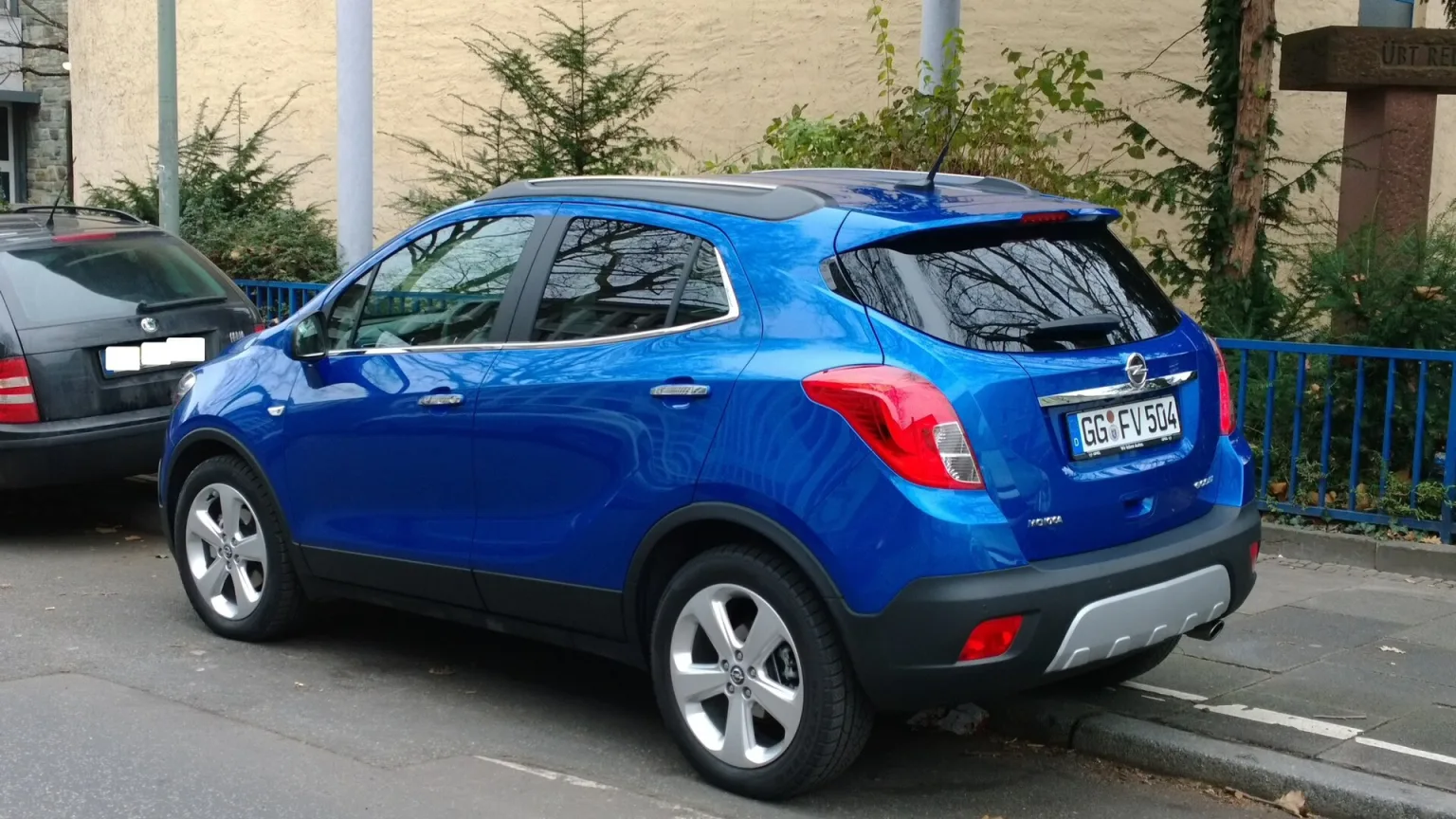
Opel has announced that production of the next-generation Mokka will move from South Korea to Europe once the new model is ready for launch. This decision marks a significant change in manufacturing strategy for the compact crossover, which has been built by GM Korea since its introduction. The announcement, made by Opel’s board member Thomas Sedan, signals Opel’s intention to strengthen its European presence and respond more directly to the needs of its core market.
Opel Mokka Production Moving to Europe
Current Production and Market Context
The Mokka, launched as Opel’s entry into the rapidly expanding small SUV segment, has been positioned against rivals such as the Nissan Juke, Renault Captur, Peugeot 2008, Ford EcoSport, and Chevrolet Trax. Until now, European-bound Mokkas have been sourced from GM’s facility in South Korea, which also assembles the Chevrolet Trax for other markets. The current Opel Mokka has been assembled in South Korea since its introduction, sharing its platform with the Chevrolet Trax. This strategy allowed Opel to take advantage of GM’s global manufacturing network, but it also meant longer supply chains and increased logistical complexity for the European market.
Reasons for the Move
By shifting production to Europe, Opel aims to reduce logistics costs, improve supply flexibility, and better align its manufacturing footprint with its core customer base. The company has not yet specified which European plant will take over assembly, but the move is expected to coincide with the launch of the second-generation Mokka. This decision follows a period of heavy restructuring within Opel and its parent company, General Motors, as they seek to stabilise European operations and respond more quickly to changing market demands. Local production is likely to be viewed positively by dealers and buyers in Europe, where proximity to the factory can be a selling point for both quality and aftersales support.
Impact on the European SUV Market
The Mokka competes in a crowded segment, with established players and new arrivals pushing manufacturers to sharpen their offerings. European production could help Opel respond faster to local preferences and regulatory changes, as well as reduce exposure to currency fluctuations and import tariffs. For Opel, building the Mokka closer to its main customer base may also provide an advantage in adapting to European emissions and safety standards, which can change rapidly and require swift updates to production models.
Technical Overview of the Current Mokka
Technical details for the next-generation Mokka have not yet been released, but the current model offers a range of petrol and diesel engines. The outgoing Mokka measures 4,280 mm in length and 1,645 mm in height, with a front and rear track of 1,540 mm. Engine choices include a 1.6-litre naturally aspirated petrol engine generating 117 horsepower, a 1.4-litre turbocharged petrol unit with 142 horsepower, and a 1.7-litre CDTi turbo diesel producing 132 horsepower and 221 lb-ft of torque. These specifications have made the Mokka a competitive option in the small SUV category, appealing to buyers seeking a practical and efficient crossover.
| Length | 4,280 mm |
|---|---|
| Height | 1,645 mm |
| Front/Rear Track | 1,540 mm |
| Engine Options | 1.6-litre petrol (117 hp), 1.4-litre turbo petrol (142 hp), 1.7-litre CDTi diesel (132 hp, 221 lb-ft) |
Competitors in the Segment
- Nissan Juke
- Renault Captur
- Peugeot 2008
- Ford EcoSport
- Chevrolet Trax
Looking Ahead: What the Move Means for Opel
The move to European production is expected to be implemented with the launch of the new generation. Opel has not provided a firm date for the start of European assembly, but the announcement signals a commitment to the region’s manufacturing base and to the competitiveness of its small SUV in a key market. By bringing production closer to home, Opel is positioning itself to better serve European customers, adapt to local market trends, and potentially strengthen its reputation for quality and responsiveness. As the small SUV segment continues to grow, this shift could help Opel maintain and expand its market share against strong competition.
Further updates on the exact production location and technical details of the next-generation Mokka are expected as the launch date approaches. For now, the move reflects Opel’s broader strategy to reinforce its European identity and manufacturing capabilities in a highly competitive automotive sector.