Nissan Develops Ethanol-Based Solid Oxide Fuel Cell System
Nissan is researching a powertrain that uses bio-ethanol to generate electricity for electric vehicles, aiming for long range and easier fuel handling by the end of the decade.
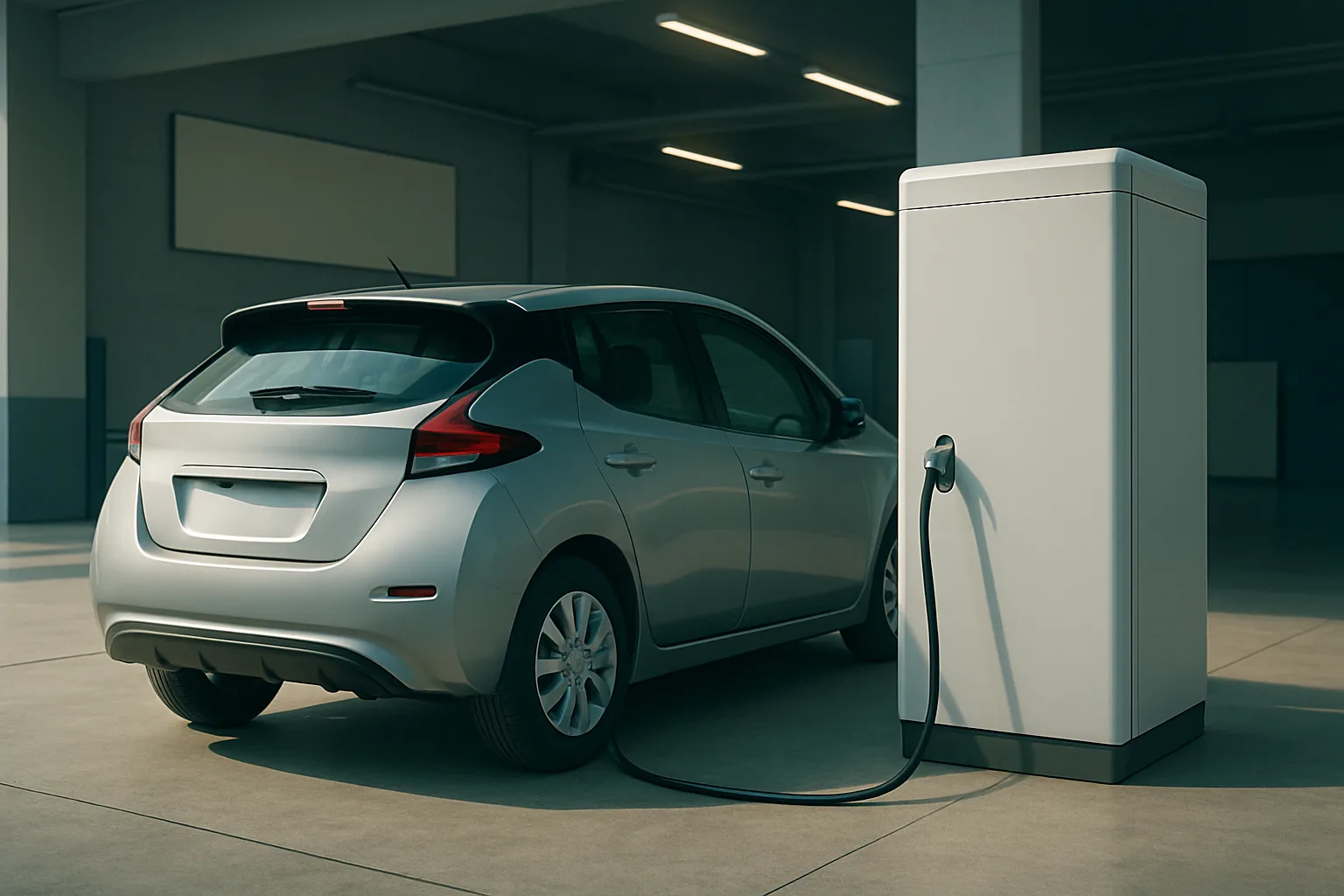
Nissan has confirmed it is developing a new electric powertrain that uses bio-ethanol as its primary energy source, with the goal of achieving petrol-like driving range and practical fuel handling. The company is focusing on a solid oxide fuel cell (SOFC) system that generates electricity from hydrogen produced on board by reforming ethanol stored in the vehicle’s tank.
How the ethanol fuel cell system works
Unlike conventional hydrogen fuel cell vehicles, which require high-pressure hydrogen refuelling infrastructure, Nissan’s approach uses bio-ethanol, derived from sources such as sugarcane and corn, as a liquid fuel. The on-board reformer converts the ethanol into hydrogen, which then feeds the SOFC stack to generate electricity for the electric motor. Nissan claims this process is cleaner than fossil fuels and allows simpler, safer storage and distribution compared to compressed hydrogen.
Market positioning and future plans
Nissan’s ethanol fuel cell research comes as the company continues to expand its zero-emissions strategy. While rivals such as Toyota, Honda and Hyundai have prioritised hydrogen fuel cell vehicles, Nissan’s system leverages the existing supply and infrastructure of bio-ethanol, especially in regions like Brazil and the United States where ethanol is widely available. The company sees this as a practical way to offer electric vehicles with long range and easy refuelling without depending on the slow roll-out of hydrogen stations.
Nissan has previously collaborated with Daimler and Ford on hydrogen vehicle development, but has indicated that commercial introduction of these models may be delayed beyond initial plans. The company remains committed to growing its electric vehicle sales, aiming for zero-emissions models to account for 20 percent of its total sales by the end of the decade. The ethanol-powered SOFC system is intended to complement battery-electric models, potentially broadening Nissan’s appeal in markets with established ethanol supply chains.
Implications for buyers and infrastructure
For buyers, Nissan’s ethanol-powered fuel cell vehicles could offer the convenience of fast liquid refuelling and a familiar driving range, without the need to find rare hydrogen stations. If commercialised, the technology could make electric vehicles more accessible in countries where ethanol is already part of the fuel mix, while reducing reliance on fossil fuels and supporting agricultural economies.