Geely to Use Old Volvo XC90 Platform for New Chinese Brand
Geely will take over Volvo’s outgoing XC90 P2 platform as the Swedish marque prepares its next-generation SUV for a 2014 launch.
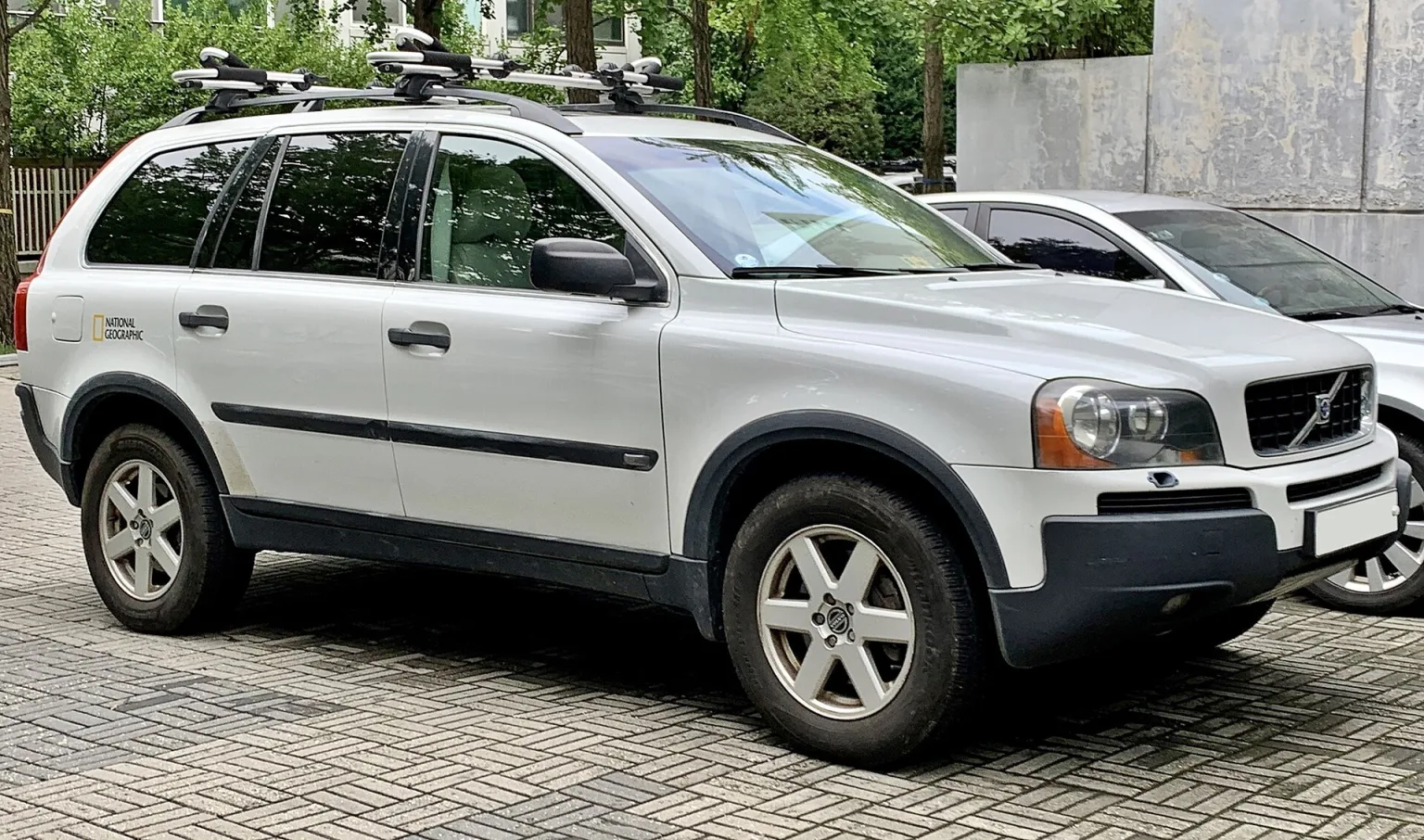
Geely will take over the platform underpinning the first-generation Volvo XC90 as the Swedish brand prepares to introduce its all-new XC90 in 2014. The move gives the Chinese parent company access to a proven large SUV architecture as it develops a new upmarket brand for the domestic market.
The P2 platform, introduced with the original XC90 in 2002, has also underpinned a range of large Ford and Volvo models, including the Ford Taurus, Explorer and Flex, as well as the Lincoln MKS and MKT. Geely has not confirmed whether it will simply rebadge the outgoing XC90 or use the platform as the basis for an entirely new design, but the intention is to launch a high-end SUV line for China.
Volvo’s transition and Geely’s ambitions
Volvo’s decision comes as it prepares to replace the original XC90 with a new-generation model, set to arrive in 2014 with updated technology, safety features and a new platform. The outgoing XC90, introduced in 2002, helped establish Volvo in the premium SUV segment, though competition from BMW’s X5 and Mercedes-Benz’s M-Class eroded its lead over time.
For Geely, which acquired Volvo Cars in 2010, access to the P2 platform provides a shortcut to developing a large SUV suited to Chinese tastes. The company had already launched its own GLEagle GX7 SUV, but the Volvo platform offers a step up in size, refinement and engineering pedigree. Geely’s plans for the platform have not been detailed, but it is expected to underpin a new range of high-end models for China’s growing SUV market.
What the P2 platform brings to Geely
- Proven safety engineering from Volvo’s original XC90.
- Flexible architecture used for both front- and all-wheel-drive applications.
- Capacity for large-displacement engines and hybridisation (as seen in later Volvo applications).
- Track record in North American and European markets via Ford and Lincoln models.
Geely’s adoption of the P2 platform follows a wider trend of Chinese manufacturers acquiring established technology to accelerate their move upmarket. The company has not announced production timelines or whether any vehicles will be exported beyond China.
For Volvo, the transfer of the P2 platform draws a line under a long-running model that helped establish the brand’s reputation for safety and practicality in the SUV segment. For Geely, it is a chance to build a high-end Chinese SUV brand on a Scandinavian foundation.