Opel Considers Shifting Mokka Production to Spain
Opel is weighing a move to assemble the Mokka subcompact SUV at its Figueruelas plant in Zaragoza, Spain, as European demand outpaces expectations.
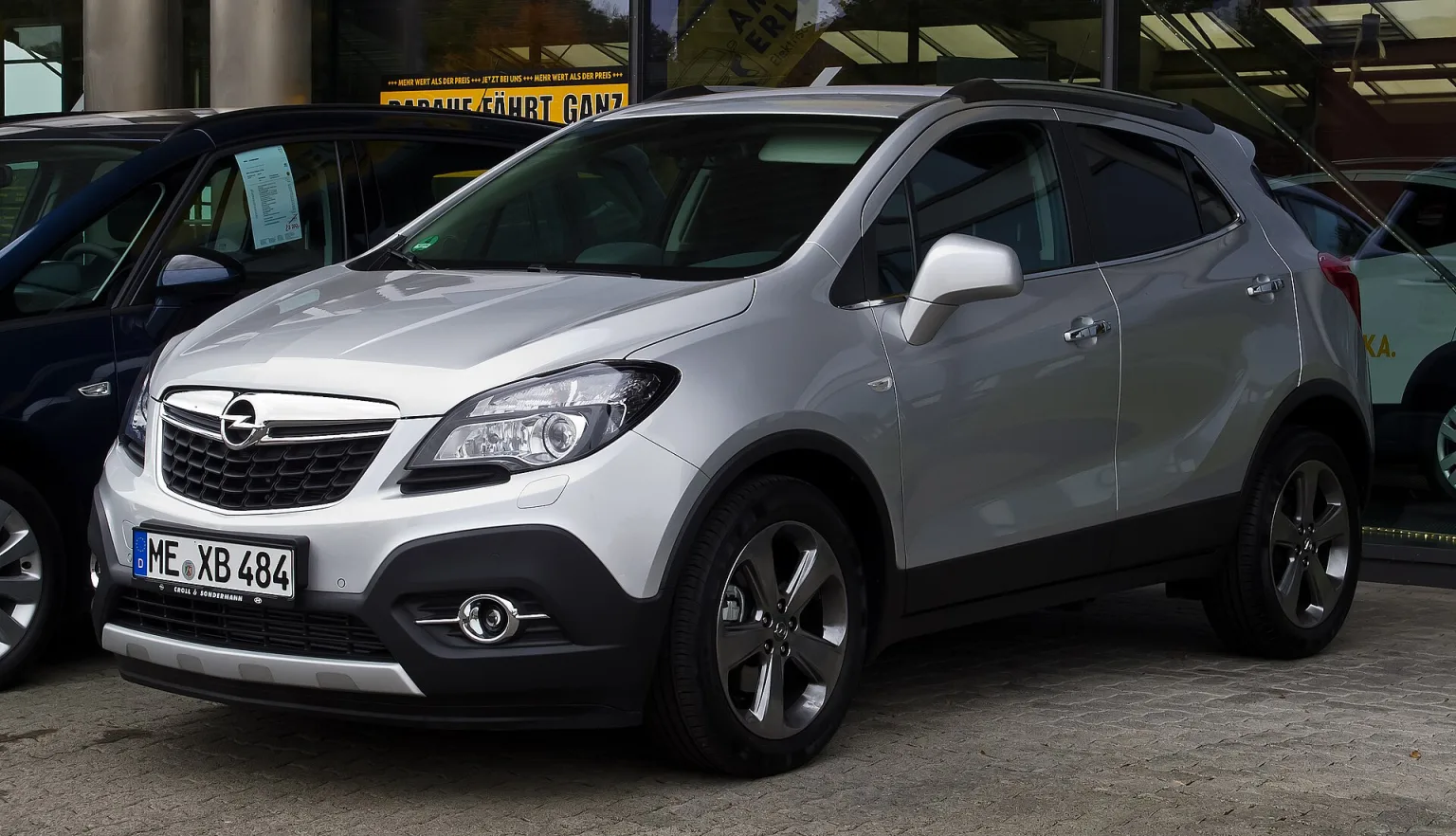
Opel is evaluating plans to move a substantial portion of Mokka subcompact SUV production from South Korea to its Figueruelas plant in Zaragoza, Spain, according to reports from Handelsblatt citing General Motors insiders. The decision could be made as soon as next week, with the Spanish factory being considered as the main European site for future Mokka assembly. This move comes in response to high demand for the Mokka in Europe and ongoing challenges with overcapacity at Opel’s European plants.
Opel Considers Shifting Mokka Production to Spain
Background: Mokka’s Strong Performance in Europe
The Mokka, Opel’s entry in the fast-growing subcompact SUV segment, has exceeded initial sales forecasts since its European launch. By April 2013, Opel had already logged more than 100,000 orders for the model. This strong demand has outstripped expectations and placed pressure on the company’s supply chain, which currently relies on production in South Korea.
Opel’s success with the Mokka comes at a time when the European automotive market is experiencing increased competition and persistent challenges, particularly overcapacity. Several manufacturers, including PSA Peugeot Citroën and Fiat, have struggled to fill their European factories. Opel’s European operations are facing similar difficulties, with spare capacity at plants such as Figueruelas in Zaragoza. Utilising this spare capacity could help reduce losses for General Motors’ European division and strengthen Opel’s position in the market.
Potential Impact on Zaragoza and the European Auto Sector
If Opel decides to shift Mokka production to Spain, the move would have several implications. The Figueruelas plant, which has capacity that is currently underused, could see increased utilisation. This would not only improve efficiency but could also help safeguard jobs in Spain, where the automotive sector remains a significant employer. The prospect of more work at the Zaragoza plant is likely to be welcomed by unions and local suppliers, especially given the broader context of economic uncertainty in the European car industry.
Opel has stated that it is conducting engineering studies to determine whether the Mokka can be added to the plant’s output. No final decision has been announced, but the company’s confirmation of these studies indicates that the plan is under serious consideration. If approved, the move could also help Opel reduce its reliance on imports from South Korea, which have been affected by currency fluctuations and rising logistics costs.
Overcapacity and Market Pressures
- European carmakers, including Opel, PSA Peugeot Citroën, and Fiat, face ongoing overcapacity issues.
- Factories operating below capacity increase costs and reduce profitability.
- Shifting Mokka production to Zaragoza would help make better use of Opel’s European resources.
- Aligning production with main markets could reduce lead times and improve margins.
- The subcompact SUV segment is growing, presenting an opportunity for improved plant utilisation.
The decision is particularly relevant in light of the competitive pressures facing European manufacturers. Strong demand for models like the Mokka provides an opportunity for companies to improve plant utilisation and maintain employment levels. However, balancing global production remains a challenge, as consumer preferences and market conditions continue to evolve.
No Plans Announced for Chevrolet Trax
While Opel considers moving Mokka production, there has been no indication that Chevrolet’s closely related Trax model will follow the same path. When asked, a Chevrolet spokesperson declined to comment on any plans to build the Trax in Spain. This leaves the future of Trax production unchanged for now, with no official announcements regarding its assembly location.
What Happens Next?
General Motors and Opel are expected to make a final decision on the proposed production shift within a short timeframe. If the plan is approved, preparations at the Figueruelas plant could begin soon after, with potential benefits for the local workforce and Opel’s European supply chain. The move is being closely watched by industry observers, unions, and suppliers in both Spain and South Korea, as it could set a precedent for future production strategies in response to changing market dynamics.
| Aspect | South Korea | Spain (Zaragoza) |
|---|---|---|
| Current Role | Main production site for Mokka | Proposed new site for European Mokka assembly |
| Capacity Utilisation | High | Underused |
| Impact of Shift | Potential reduction in output | Potential increase in jobs and efficiency |
| Proximity to Market | Far from European customers | Closer to European customers |
| Logistics Costs | Higher | Lower |