Opel Workers Demand Two-Year Moratorium on Plant Closures
Labour representatives at Opel push for a two-year guarantee to keep all European factories open as Magna prepares to take control from General Motors.
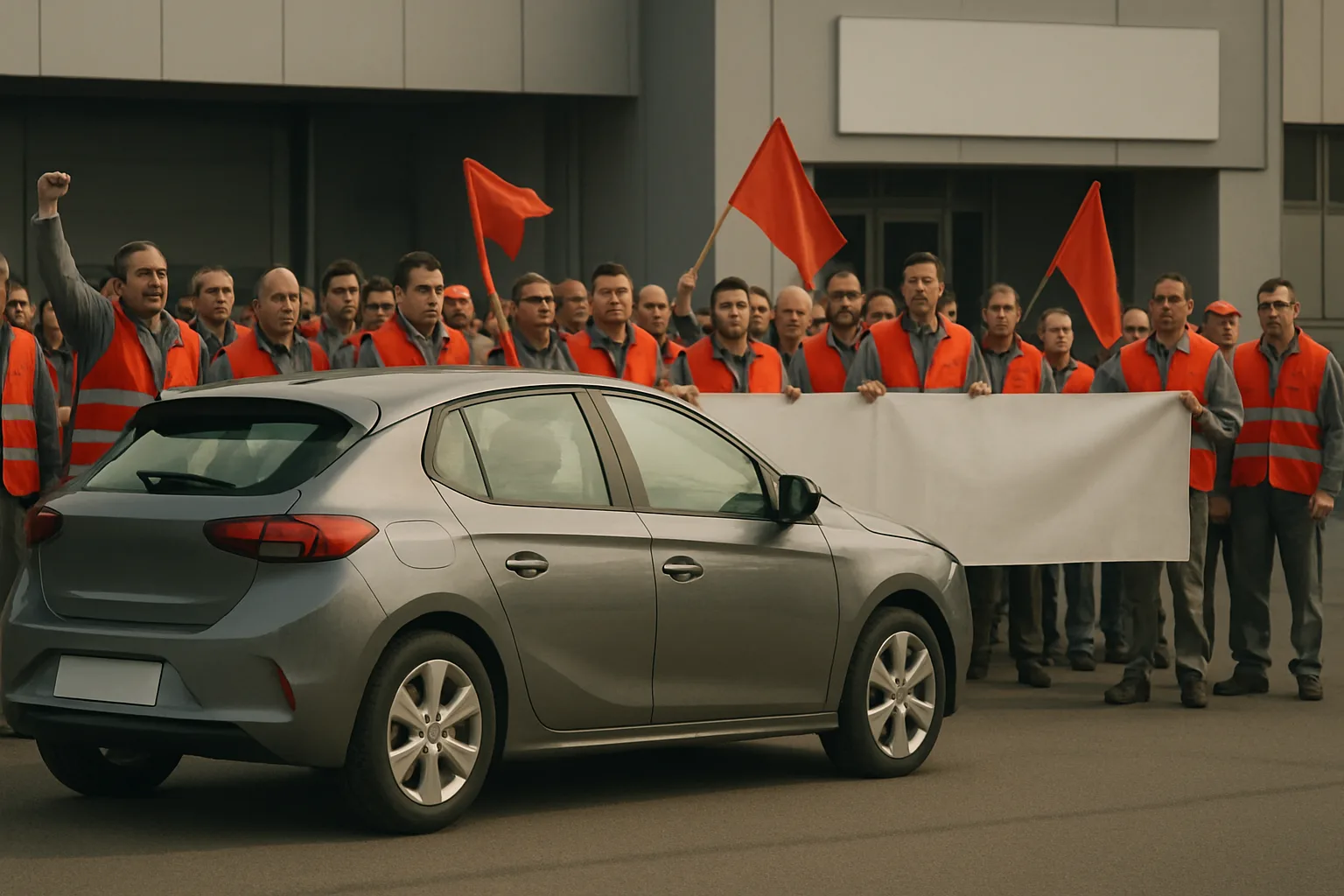
Opel’s European workforce is pressing for a two-year commitment to keep all of the brand’s factories open, as the company transitions from General Motors to new ownership under a Magna-led consortium. The demand comes as cost-cutting negotiations intensify between union representatives, Opel management and Magna following the planned sale announced in 2009.
Union seeks job security during transition
Labour leaders from IG Metall, including supervisory board member Armin Schild, have called for a moratorium on forced redundancies and plant closures through 2011. In negotiations held in Ruesselsheim, the union indicated it would consider closures or compulsory job cuts only if Opel’s turnaround fails after this period. The two-year window is intended to give the restructured company, often referred to as “New Opel”, a realistic chance to stabilise without immediately resorting to drastic workforce reductions.
The proposed agreement would see Opel employees take a 10 percent stake in the company, in return for cost-saving concessions totalling around €1.2 billion per year. These savings are expected to come from a combination of wage reductions linked to shorter working hours, cuts to bonuses and vacation pay, and a gradual reduction in headcount through attrition and voluntary severance rather than layoffs.
Plant future tied to new models and local production
Union officials argue that all of Opel’s European plants could remain open if the company accelerates the rollout of new models and commits to building them in Europe. A small SUV based on the Corsa platform is among the projects cited as crucial for securing jobs and boosting plant utilisation. The union’s stance is that faster model launches and local production are vital for long-term viability, especially as Opel faces the challenge of returning to profitability under its new owners.
Cost-cutting and the path forward
The savings plan under discussion includes reducing wages in line with shorter work hours and limiting additional pay. Opel’s headcount could shrink by several thousand annually, primarily through not replacing retirees and offering buyouts. These measures are designed to deliver the required savings without immediate forced redundancies, aiming to give the company breathing space during the transition to Magna’s control.
The outcome of these negotiations will affect not only Opel’s workforce but also the future of several plants across Europe. The union’s proposal is a bid to avoid the abrupt closures that have hit other manufacturers in recent years, such as Ford’s decision to shut its Genk plant in Belgium. Whether Magna and Opel management will accept the two-year guarantee remains to be seen, but the talks underscore the uncertainty facing automotive manufacturing jobs during corporate restructuring.
For more on how plant decisions shape the industry, see Fiat Plans Two Small SUVs for Melfi Plant as Part of Italian Production Shift.