Renault Clio Unveiled in Paris as Brand’s New Direction
Renault’s fourth-generation Clio made its public debut at the 2012 Paris Motor Show, embodying the company’s ‘Drive the Change’ strategy and introducing a bold new design language.
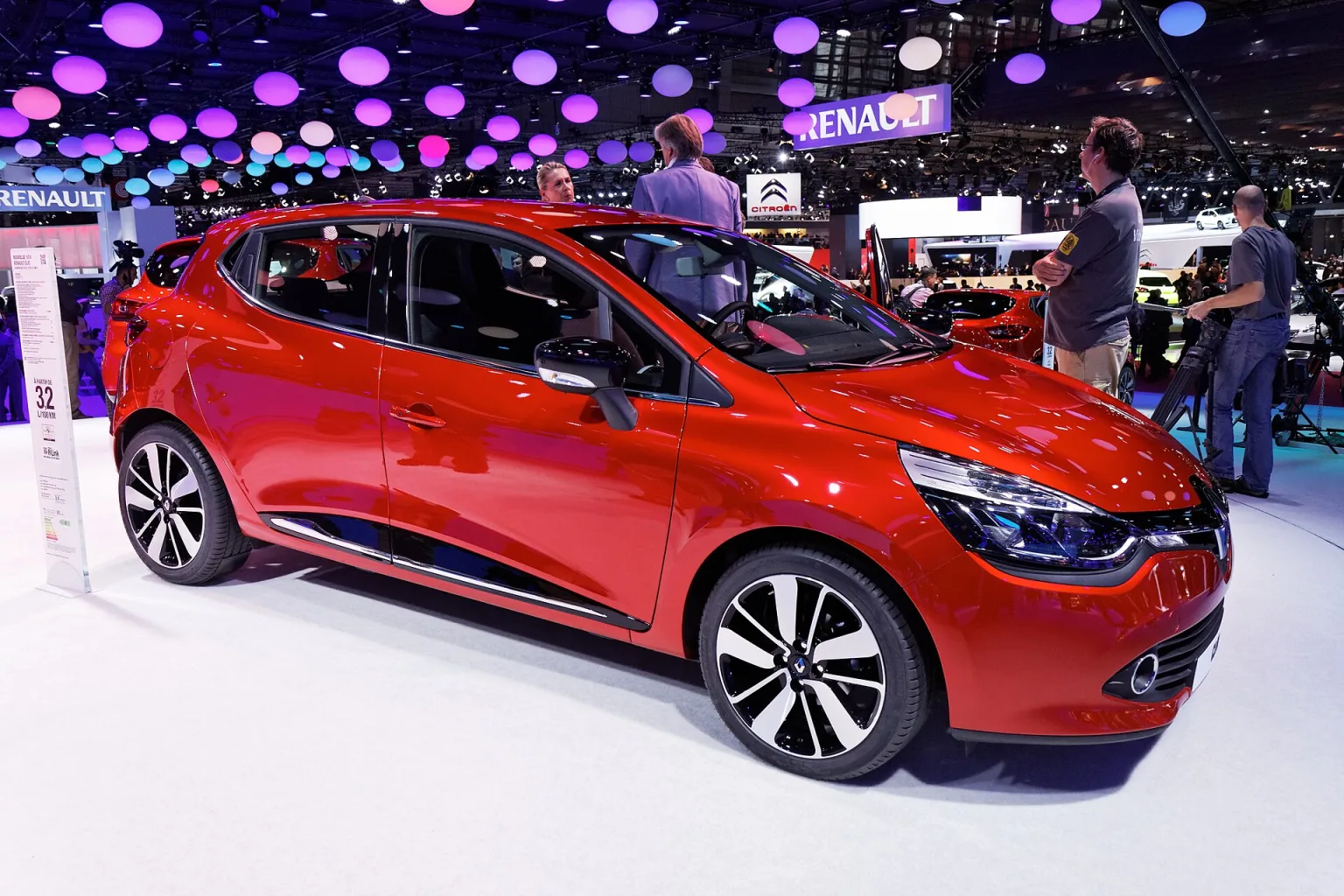
Renault revealed the fourth-generation Clio at the 2012 Paris Motor Show, positioning it as the first production model to fully express the company’s ‘Drive the Change’ philosophy. The new Clio’s styling and engineering signal a deliberate break from the conservative approach that shaped Renault’s small cars since the late 1990s.
The Clio’s unveiling in Paris marked more than a new model launch. Renault’s management described it as the embodiment of the company’s future direction, both in design and in the way new models are developed. The car’s styling, led by Laurens van den Acker, departs from the upright and functional look of its predecessor, introducing a lower, wider stance, pronounced curves and a prominent front grille. The aim was to create a supermini that stands out in a crowded B-segment, while also appealing to buyers seeking more emotional design cues.
Design and engineering changes
Renault’s new Clio is built on the company’s updated B-platform, which underpins a range of small cars. The focus for this generation was on reducing weight, increasing structural rigidity and improving safety. The car is longer and lower than the outgoing model, with a wider track and shorter overhangs, all contributing to a sportier appearance and claimed improvements in handling.
Inside, the Clio introduces a more upmarket dashboard layout, with customisation options and a touchscreen infotainment system available on higher trims. Renault’s intention was to move the Clio upmarket without losing the affordability that made previous generations a success.
Clio’s role in Renault’s strategy
Renault’s leadership made it clear that the new Clio is intended to set the tone for other models in the B and C segments. The company’s ‘Drive the Change’ strategy, launched in 2009, called for bolder design, greater efficiency and more advanced technology. The Clio’s launch in Paris was presented as the first visible step in that process, with expectations that future models would follow its lead in both style and substance.
The Clio’s importance for Renault’s European business cannot be overstated. As one of the brand’s best-selling models, its success or failure has direct implications for the company’s share in key markets. The new model’s launch comes at a time when French car sales were under pressure, making a strong debut for the Clio especially critical.
What comes next for Clio and Renault
With the Clio’s Paris debut, Renault signalled its intent to compete more assertively in the supermini segment. The company’s future plans for the Clio range include further derivatives and special editions, as well as expanded technology options. The Clio’s platform is expected to underpin crossover and estate variants, with prototypes such as the Clio Crossover already spied in development. For a closer look at later Clio models and variants, seeRenault Clio Crossover Was Spied.