Dacia Dokker Stepway brings rugged style to Paris Motor Show
Dacia has unveiled the Dokker Stepway at the 2014 Paris Motor Show, giving its compact van a crossover-inspired look and added equipment to attract practical-minded buyers.
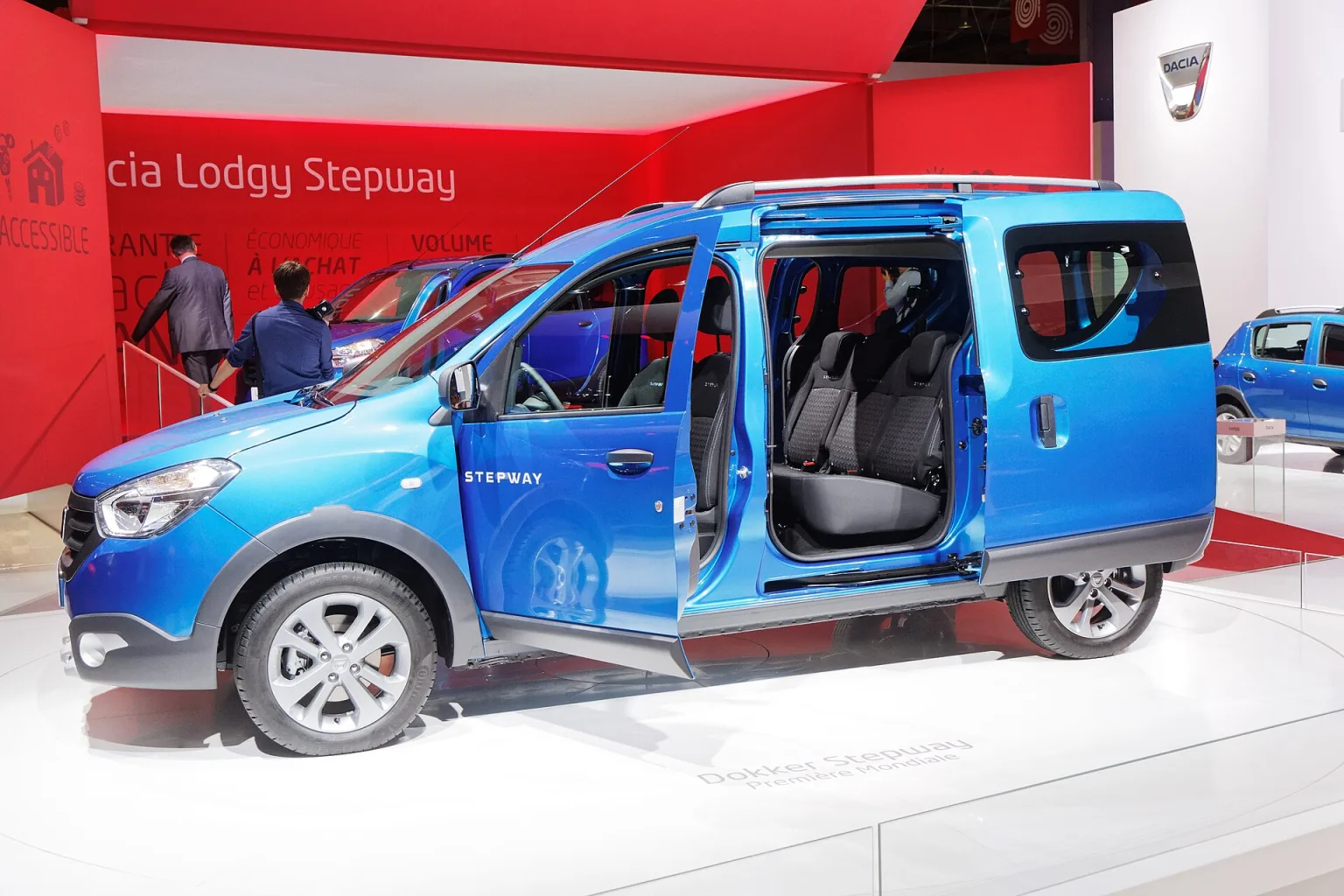
Dacia has introduced the Dokker Stepway at the 2014 Paris Motor Show, expanding its Stepway range with a crossover-themed version of the compact van. The Dokker Stepway joins the Lodgy Stepway and the well-established Sandero Stepway, aiming to bring a tougher image and more equipment to the brand’s practical line-up.
Dacia Dokker Stepway Debuts at Paris Motor Show
Crossover-Inspired Styling and Features
The Dokker Stepway stands out from the standard Dokker with body-coloured bumpers, satin-chrome front and rear skid plates, and black wheel arch protectors. The front fog lamps feature satin chrome surrounds, while dark metal 16-inch alloy wheels complete the exterior changes. These additions mirror the approach taken with the Sandero Stepway, which has proved popular in Dacia’s range.
Inside, the Stepway version features embroidered upholstery with blue topstitching, a Dark Carbon interior scheme, and blue highlights on the dials, air vents and instrument cluster. Practicality remains a focus, with new net storage pockets added in the rear to complement the van’s flexible cabin. Buyers can also specify the Media Nav touchscreen multimedia and navigation system, air conditioning, and a speed limiter with cruise control.
Engine Choices and Efficiency
Dacia offers the Dokker Stepway with a choice of two Renault-sourced engines. The 1.2-litre TCe petrol produces 115 hp, paired with a five-speed manual gearbox. Official figures put its combined fuel consumption at 5.8 litres per 100 km, with CO2 emissions of 135 g/km. The diesel alternative is the familiar 1.5 dCi, delivering 90 hp and returning 4.5 litres per 100 km, with emissions of 118 g/km.
| Petrol engine | 1.2 TCe 115 hp, 5-speed manual |
|---|---|
| Diesel engine | 1.5 dCi 90 hp, 5-speed manual |
| Fuel consumption (petrol) | 5.8 l/100 km |
| CO2 emissions (petrol) | 135 g/km |
| Fuel consumption (diesel) | 4.5 l/100 km |
| CO2 emissions (diesel) | 118 g/km |
Equipment and Practicality
The Dokker Stepway is designed to offer more than just visual appeal. The addition of the Media Nav touchscreen system brings navigation and multimedia capabilities, while air conditioning and cruise control add to everyday comfort. The new net storage pockets in the rear demonstrate Dacia’s focus on practical details, catering to families and small businesses alike. With its sliding side doors and spacious cargo area, the Dokker Stepway maintains the versatility that the standard Dokker is known for, now enhanced by the Stepway’s distinctive styling.
Position in Dacia’s Stepway Range
The Dokker Stepway’s arrival at Paris follows the earlier debut of the model at the 2012 Istanbul Motor Show, but the Paris launch brings it to a wider European audience. Alongside the Lodgy Stepway, it gives Dacia a broader Stepway line-up, targeting buyers who want the practicality of a van with the styling cues of a crossover. The Stepway treatment has already helped boost sales of the Sandero, and Dacia is now applying the formula to its more utilitarian models.
The Stepway range now covers Sandero, Lodgy and Dokker, giving Dacia a consistent crossover-inspired offering across hatchback, MPV and van segments. This strategy allows Dacia to appeal to a wider range of customers, from families looking for affordable transport to business users needing a practical yet stylish van. The Stepway models have become an important part of Dacia’s European line-up, reflecting the growing trend for rugged looks and extra equipment in mainstream vehicles.
Market Impact and Customer Appeal
By expanding the Stepway line-up, Dacia is strengthening its position in the budget-friendly segment while responding to customer demand for vehicles that blend practicality with a more adventurous image. The Dokker Stepway’s combination of robust exterior styling, practical features, and efficient engines is likely to attract buyers who value functionality but do not want to compromise on looks. Its presence at the Paris Motor Show underlines Dacia’s commitment to evolving its range and maintaining relevance in a competitive market.