Ford Mustang makes European debut at Paris Motor Show
Ford has officially unveiled the Euro-spec Mustang at the 2014 Paris Motor Show, confirming both fastback and convertible versions for the region with a choice of EcoBoost or V8 engines.
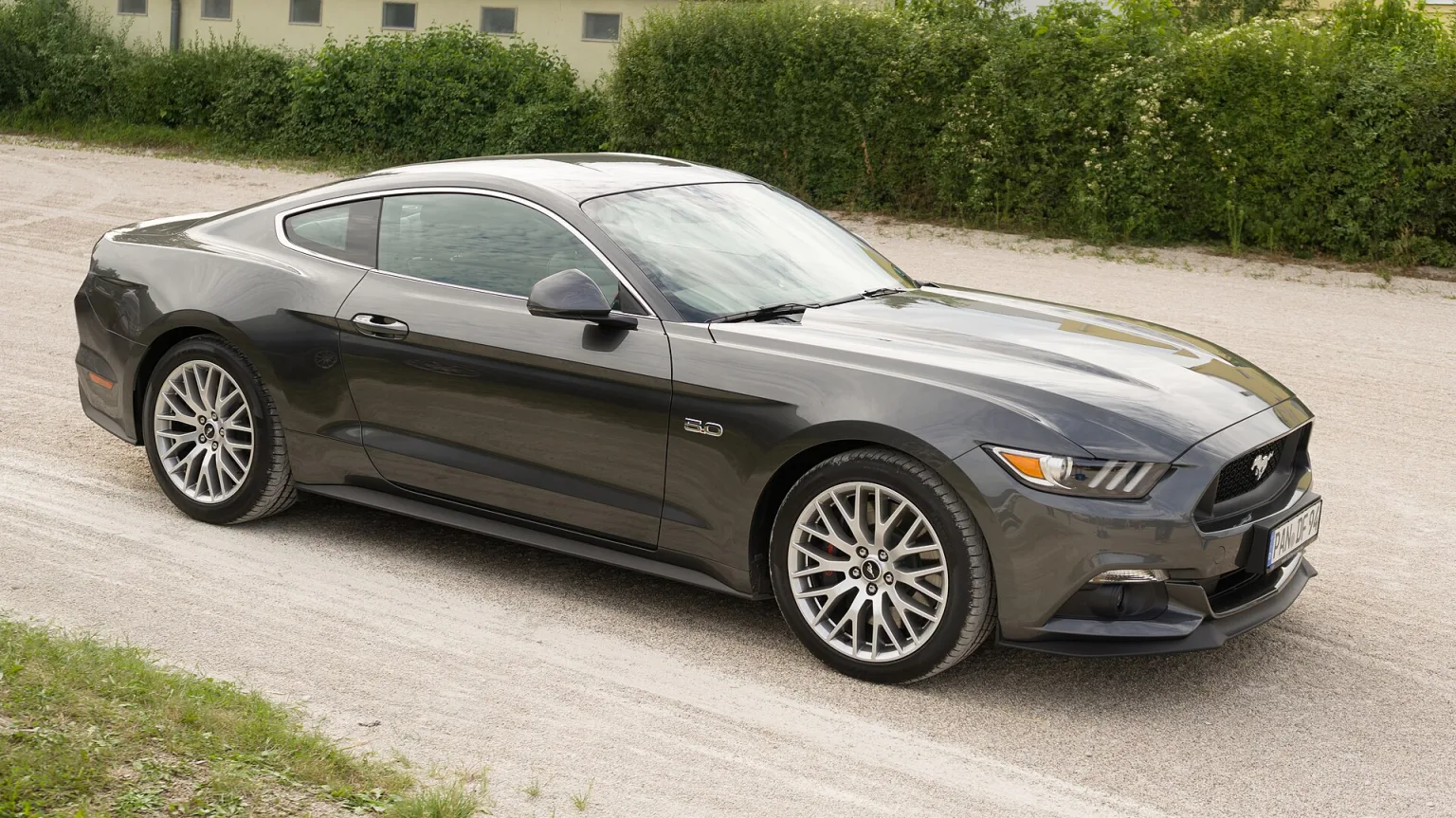
Ford has brought the Mustang to European showrooms for the first time, revealing the Euro-spec version at the 2014 Paris Motor Show. This marks the muscle car’s official entry into the region after five decades of production, with sales set to begin in 2015. The Mustang’s arrival in Europe is a significant move for Ford, demonstrating the company’s commitment to making its iconic sports car a truly global model.
Ford Mustang Makes European Debut at Paris Motor Show
Body Styles and Engine Options
European buyers will have the choice of both fastback and convertible body styles. Under the bonnet, Ford is offering two distinct engines. The 2.3-litre EcoBoost turbocharged four-cylinder engine produces 314 PS and 434 Nm of torque in European specification, while the traditional 5.0-litre V8 delivers 418 PS and 524 Nm. These power figures put the Mustang in direct competition with European sports coupés that have long dominated the segment, offering a mix of efficiency and classic muscle car performance.
| Engine | Power (PS) | Torque (Nm) | Key Features |
|---|---|---|---|
| 2.3-litre EcoBoost | 314 | 434 | Turbocharged, direct injection, variable cam timing |
| 5.0-litre V8 | 418 | 524 | Naturally aspirated, classic muscle car performance |
The 2.3-litre EcoBoost engine features direct injection, variable cam timing, and a unique intake manifold and turbocharger housing. These technical enhancements ensure the engine meets European performance and emissions standards, while still delivering strong acceleration and responsiveness. The V8, meanwhile, appeals to enthusiasts seeking the full American muscle car experience.
Technical Changes for Europe
To better suit European roads and driving expectations, Ford has made several technical updates to the Mustang. Notably, all models now feature independent rear suspension, which is a first for the Mustang range. This change is designed to improve both handling and ride comfort, crucial factors for buyers accustomed to the driving dynamics of European sports cars. Performance brakes and 19-inch wheels are also standard across the line-up, further enhancing the car’s credentials in a competitive market.
- Independent rear suspension on all models
- Performance brakes standard
- 19-inch wheels included as standard
- Emissions compliance for European regulations
Ford’s decision to adapt the Mustang for Europe reflects the company’s aim to position the model as a serious rival to established brands. The upgrades are not limited to performance; they also cover areas such as emissions compliance and everyday usability, both important considerations for European buyers.
Interior and Technology
Inside, the Euro-spec Mustang introduces Ford’s SYNC 2 infotainment system to the region. This system is built around an 8-inch colour touchscreen and features advanced voice control, allowing easy access to navigation, audio, climate, and phone functions. The inclusion of SYNC 2 reflects Ford’s push to match European rivals in terms of in-car technology and connectivity.
- 8-inch colour touchscreen display
- Advanced voice control for navigation, audio, climate, and phone
- Improved materials and fit-and-finish
- Driver-focused cabin layout
Interior updates also focus on quality and comfort, aiming to appeal to buyers who are used to the premium feel of European coupés. Materials and fit-and-finish have been improved, and the cabin layout has been designed to be both driver-focused and practical for everyday use. These enhancements are intended to ensure that the Mustang can compete not just on performance, but also on refinement and user experience.
Market Implications and Global Strategy
Ford’s decision to launch the Mustang in Europe puts it up against established competitors from brands like BMW, Audi and Mercedes-Benz. By offering both four-cylinder turbo and V8 engines, Ford is targeting a broad range of buyers, from those seeking efficiency to those wanting traditional muscle car performance. The independent rear suspension and upgraded cabin are clear signals that Ford intends to compete on both driving dynamics and refinement.
Deliveries of the Euro-spec Mustang are scheduled to begin in 2015. The car’s launch at the Paris Motor Show has generated considerable interest among European enthusiasts and signals a new chapter in the Mustang’s long history. It remains to be seen how the Mustang will perform in a market known for its demanding buyers and strong local competition, but Ford’s efforts to adapt the car for Europe suggest a serious commitment to success.
Summary
The unveiling of the Euro-spec Ford Mustang at the 2014 Paris Motor Show represents a new era for the brand. With technical updates, a choice of engines, and a focus on technology and comfort, the Mustang is poised to make an impact on the European sports car market. As deliveries begin in 2015, European buyers will finally have the opportunity to experience an American icon adapted for their roads and preferences.