Lamborghini Asterion Hybrid Concept debuts at Paris Motor Show
Lamborghini has revealed the Asterion Hybrid Concept at the 2014 Paris Motor Show, a 910hp plug-in hybrid supercar aimed at rivals from Ferrari, McLaren and Porsche.
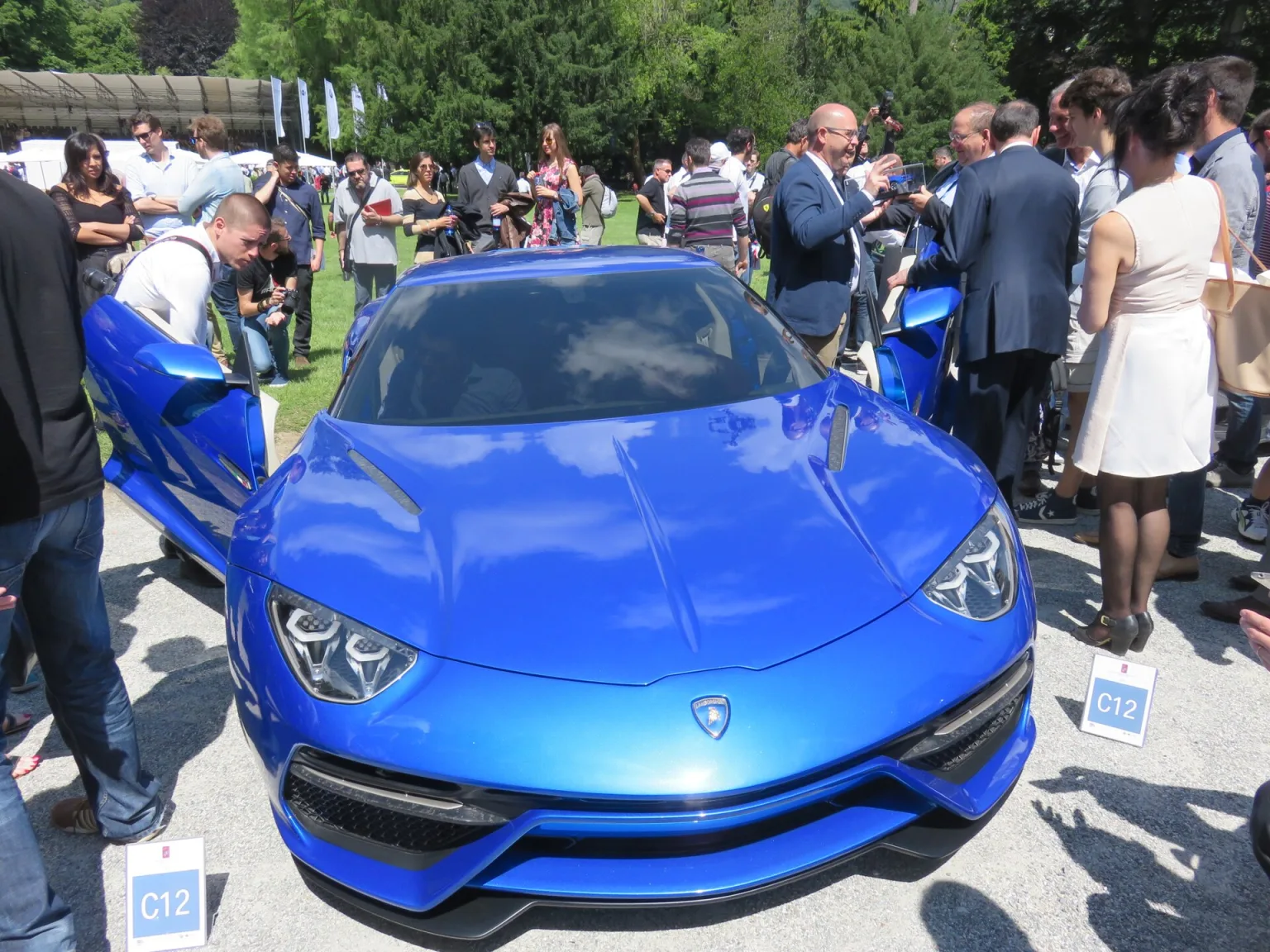
Lamborghini used the 2014 Paris Motor Show to introduce the Asterion Hybrid Concept, a 910hp plug-in hybrid supercar that showcases the Italian marque’s first serious exploration of electrification. The Asterion’s unveiling placed it firmly in contention with other high-profile hybrid hypercars, including the Porsche 918 Spyder, McLaren P1 and Ferrari LaFerrari. However, Lamborghini’s concept stands out by blending traditional supercar performance with a focus on reduced emissions and improved efficiency.
Lamborghini Asterion Hybrid Concept: Paris Motor Show Debut
Hybrid Powertrain and Performance
At the heart of the Asterion is the same 5.2-litre naturally aspirated V10 engine found in the Huracán, delivering 610hp (449kW). This is paired with three electric motors that provide an additional 300hp (220kW), resulting in a combined system output of 910hp (669kW). Power is sent to all four wheels via a DSG transmission, enabling the Asterion to accelerate from 0 to 100km/h in just 3.0 seconds and reach a top speed of 320km/h. In full electric mode, the car is limited to 125km/h and can travel up to 50km on battery power alone, making it suitable for short emissions-free trips.
The hybrid system not only boosts performance but also allows for significant reductions in fuel consumption and emissions compared to Lamborghini’s traditional models. Lamborghini claims the Asterion achieves an average of 4.2 litres per 100km and CO2 emissions of just 98g/km on the official cycle, figures that would set a new benchmark for the brand if brought to production.
Name Origin and Concept Significance
The Asterion’s name is inspired by Greek mythology, referencing the Minotaur, a hybrid creature that was part man and part bull. This symbolism reflects the car’s dual nature as both a traditional Lamborghini supercar and a modern hybrid vehicle. The full designation, LP910-4, incorporates Lamborghini’s usual naming conventions: “LP” for “longitudinal posterior” (engine orientation), “I” for “Ibrido” (Italian for hybrid), “4” for four-wheel drive, and “910” for the total horsepower.
Design and Efficiency
Visually, the Asterion marks a departure from the aggressive, angular styling seen on the Aventador and Huracán. The concept features a more refined, grand tourer-inspired silhouette with smooth lines and a cabin set further forward. This design focus enhances aerodynamic efficiency and provides a distinctive look within the Lamborghini line-up. The Asterion’s styling hints at a possible new direction for Lamborghini, one that balances visual drama with the demands of modern hybrid technology.
Inside, the car is designed to offer a more comfortable, luxurious experience than Lamborghini’s current supercars, further underlining its grand tourer aspirations. Attention to detail and the integration of advanced materials are evident throughout the cabin, reflecting Lamborghini’s commitment to both performance and comfort.
Production Prospects and Rivals
Lamborghini has not confirmed any production plans for the Asterion, instead presenting it as a technology demonstrator intended to gauge public and industry reaction. The concept’s plug-in hybrid architecture marks a technical departure for Lamborghini, which has traditionally relied on naturally aspirated engines and all-wheel drive systems. If produced, the Asterion would directly challenge the Porsche 918 Spyder, Ferrari LaFerrari and McLaren P1 in the exclusive hybrid supercar segment.
- Porsche 918 Spyder
- Ferrari LaFerrari
- McLaren P1
With its Paris debut, the Asterion joins a growing list of hybrid and electric concepts showcased at major European motor shows, such as the Renault Eolab Concept. Lamborghini’s decision to reveal a hybrid concept at such a prominent event indicates that the company is seriously considering a future where emissions regulations and evolving customer expectations could make electrification essential, even for high-performance supercars.
Technical Specifications
| Engine | 5.2-litre V10 (naturally aspirated) |
|---|---|
| Electric motors | Three, combined output 300hp (220kW) |
| Total system output | 910hp (669kW) |
| Transmission | DSG, all-wheel drive |
| 0–100km/h | 3.0 seconds |
| Top speed | 320km/h |
| Electric-only range | 50km |
| Electric-only top speed | 125km/h |
| Fuel consumption (combined) | 4.2L/100km |
| CO2 emissions (claimed) | 98g/km |
Conclusion: A Glimpse at Lamborghini’s Future
The Lamborghini Asterion Hybrid Concept represents a significant step for the brand, demonstrating that hybridisation can be achieved without sacrificing the performance and excitement expected from a Lamborghini. While it remains a concept for now, the Asterion’s debut at the Paris Motor Show highlights the brand’s willingness to innovate and adapt in response to changing automotive trends and regulations. Whether or not the Asterion reaches production, its influence on Lamborghini’s future models is likely to be considerable.