Peugeot SR1 Concept Reveals Hybrid Vision for Future Models
Unveiled in early 2010, the Peugeot SR1 concept introduced the HYbrid4 powertrain with four-wheel drive, four-wheel steering and striking new design language.
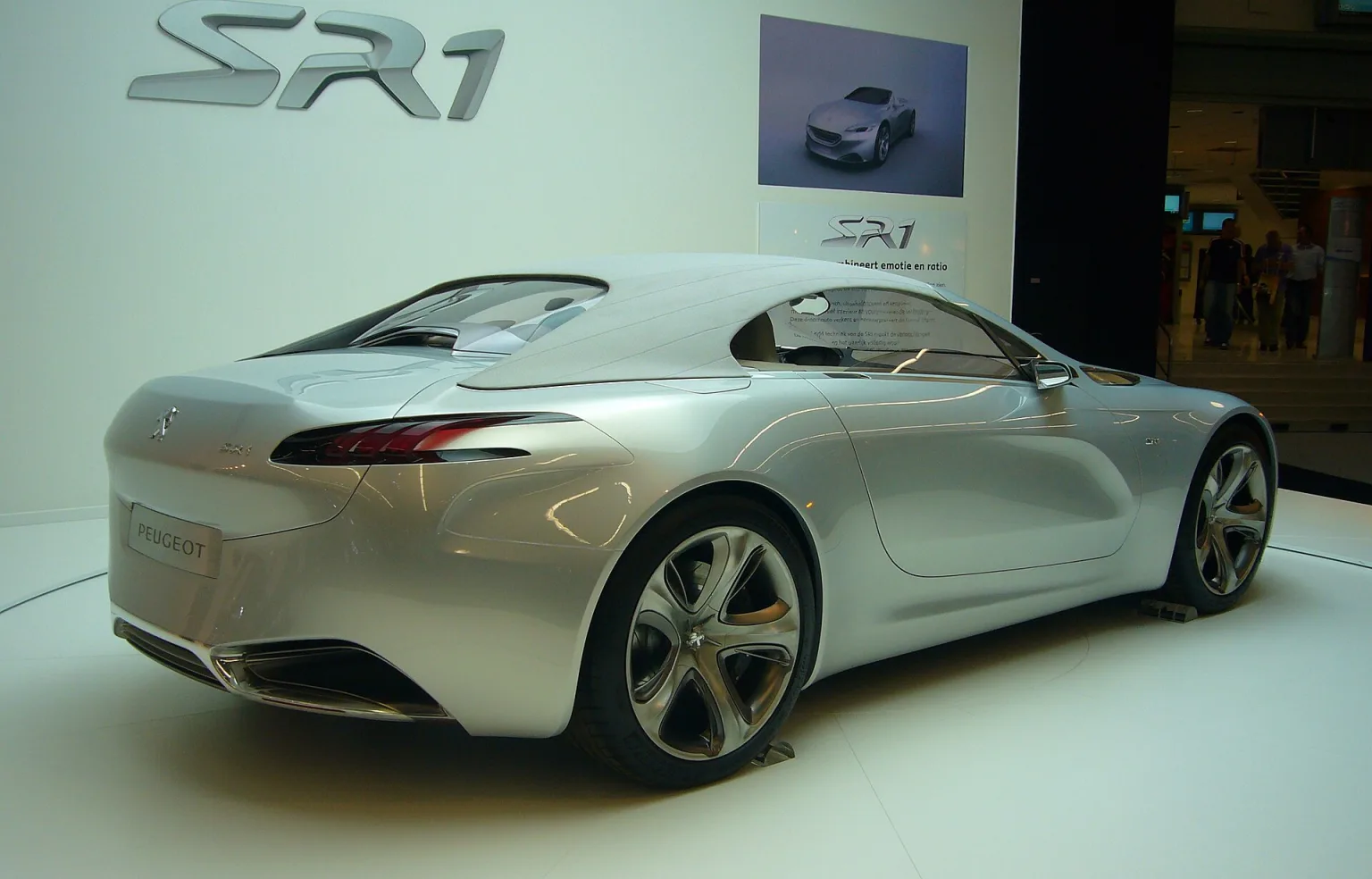
Peugeot presented the SR1 concept car in January 2010 as a showcase for its advanced HYbrid4 technology. This striking roadster concept combined a 1.6-litre turbocharged petrol engine at the front with an electric motor at the rear, representing Peugeot’s vision for efficient, high-performance motoring. The SR1 was designed not only to highlight future powertrain possibilities but also to introduce a new design language for the brand.
Introduction to the Peugeot SR1 Concept
Powertrain and Performance
At the heart of the SR1 was Peugeot’s HYbrid4 system, which paired a 1.6-litre THP (Turbo High Pressure) petrol engine producing 218bhp with a 95bhp electric motor located at the rear axle. The two power sources could operate independently or together, delivering a maximum combined output of 313bhp. When both were engaged, the SR1 offered four-wheel drive capability, an unusual feature for a Peugeot at the time and a clear demonstration of the brand’s technical ambitions.
In electric-only mode, the SR1 was capable of running as a zero-emissions vehicle (ZEV), relying solely on its rear-mounted electric motor. Peugeot claimed that the SR1 could achieve a combined fuel consumption of 57.7mpg and emit just 119g/km of CO2, figures that were highly competitive for a performance-oriented concept car of its era. This balance of performance and efficiency was a key message of the concept, previewing the direction Peugeot intended to take with its hybrid technology.
Chassis and Driving Dynamics
The SR1 concept also introduced four-wheel steering to Peugeot’s line-up. Motorised links on the rear suspension wishbones controlled the angle of the rear wheels according to vehicle speed. At low speeds, the rear wheels could turn in the opposite direction to the fronts for improved manoeuvrability, while at higher speeds they turned in the same direction for enhanced stability. This system was designed to give the SR1 superb agility and handling, setting it apart from conventional sports cars of the time.
Design and Interior
Visually, the SR1 marked a significant shift in Peugeot’s design philosophy. The car featured a low, wide stance with a long bonnet and sharply defined lines. Its prominent grille, sculpted bodywork, and sleek proportions previewed styling themes that would appear on later Peugeot models. The SR1’s exterior was intended to convey both dynamism and elegance, reflecting the brand’s aspirations to move upmarket.
Inside, the SR1 featured a 2+1 seating layout, with two main seats up front and a smaller occasional seat behind. The interior was finished with high-quality materials and innovative details, underscoring Peugeot’s desire to position itself as a more premium manufacturer. While the cabin was strictly a concept execution, it hinted at the direction future production interiors might take in terms of both quality and design.
Technical Highlights
- 1.6-litre THP petrol engine (218bhp) powers the front wheels
- 95bhp electric motor drives the rear wheels
- Four-wheel drive capability when both systems are active
- Zero-emissions running possible in electric-only mode
- Four-wheel steering system for improved agility and stability
Legacy and Influence
Although the SR1 concept was never intended for production, it played an important role in shaping Peugeot’s future. The HYbrid4 system previewed in the SR1 laid the groundwork for hybrid powertrains that would later appear in Peugeot and Citroën production models. This technology allowed for a combination of efficiency, performance, and all-wheel drive, and demonstrated the potential for electrification in mainstream vehicles.
The SR1’s design language also influenced subsequent Peugeot vehicles, with elements such as the bold grille and sculpted bodywork becoming hallmarks of the brand’s styling in the 2010s. The concept’s upmarket interior execution and advanced chassis technology signalled Peugeot’s ambitions to compete with more premium manufacturers.
SR1’s Role in Peugeot’s Line-Up
By combining advanced hybrid technology with a striking new design, the SR1 signalled Peugeot’s ambitions for the coming decade. While the concept itself remained a one-off, its powertrain and styling cues influenced later models and positioned Peugeot as a contender in both the hybrid and upmarket segments. The SR1 demonstrated that Peugeot was prepared to innovate in areas of design, drivetrain, and driving dynamics, setting the stage for future developments in the brand’s line-up.
Summary
The Peugeot SR1 concept car was more than just a design exercise: it was a statement of intent from the French manufacturer. By showcasing advanced hybrid technology, four-wheel steering, and a bold new design direction, the SR1 helped shape the future of Peugeot’s production vehicles. Its influence can be seen in the brand’s later hybrids and in the styling of its mainstream models, marking the SR1 as a significant milestone in Peugeot’s modern history.