PSA Peugeot Citroën looks to expand minicar collaboration beyond Toyota
Carlos Tavares signalled PSA’s interest in bringing more automakers into its A-segment joint venture, aiming to share costs and boost competitiveness.
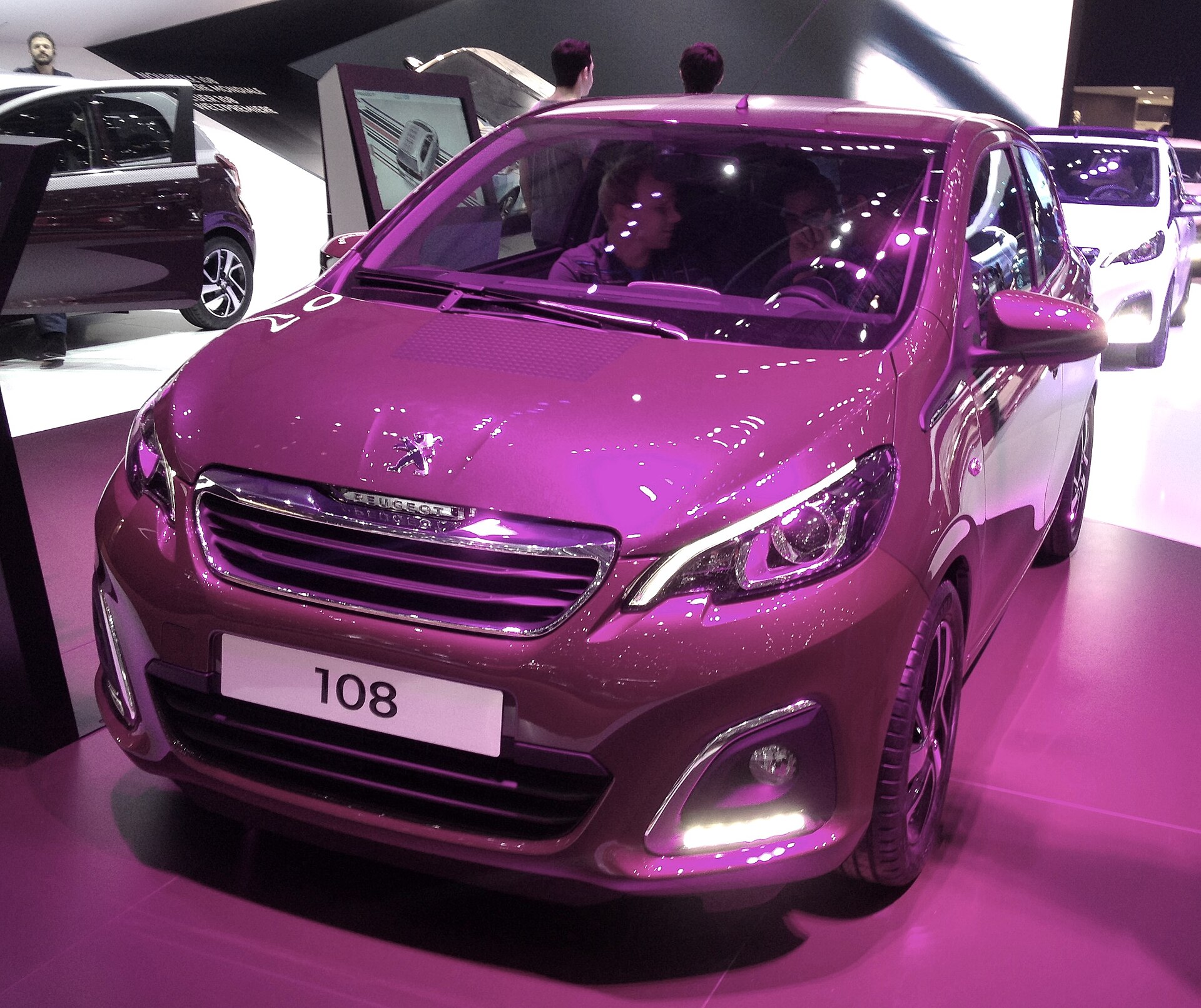
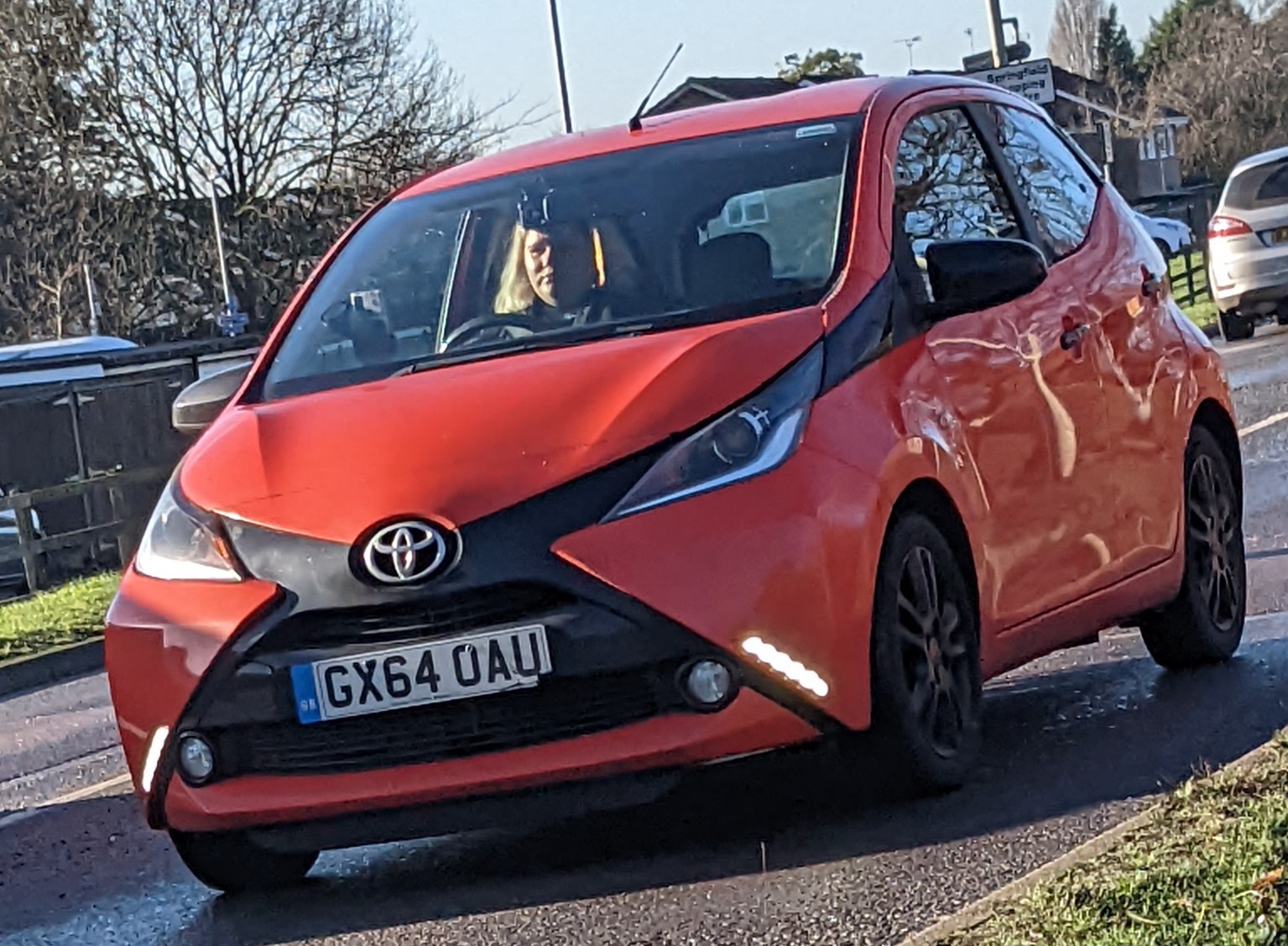
Carlos Tavares, chief executive of PSA Peugeot Citroën, said the group is open to expanding its long-standing minicar partnership with Toyota to include other manufacturers. The move could see new partners join the joint venture that currently produces the Peugeot 108, Citroën C1 and Toyota Aygo at a shared plant in the Czech Republic.
Tavares described the current arrangement with Toyota as running smoothly and collaboratively, but said the economics of A-segment cars make further cost-sharing attractive. He indicated that PSA would welcome other automakers into the project, provided Toyota agrees. The remarks were made during the Shanghai motor show, where Tavares was asked about the future of the partnership.
Why PSA wants more partners in the A-segment
The A-segment minicar market is highly price-sensitive and margins are thin. By spreading the costs of design, development and production across more brands, each participant can produce its own derivative more cheaply. The Kolín plant, which opened in 2005, was built for this purpose and can produce up to 340,000 cars per year. The current trio of models has helped both PSA and Toyota maintain a presence in the segment without bearing the full investment alone.
Tavares’s openness to new partners comes at a time when several European manufacturers are reviewing their commitment to small, low-margin models. The structure of the current joint venture allows each brand to offer a distinct product, while sharing the underlying platform and major components. Any expansion would require negotiation with Toyota, which has so far been a willing and equal partner.
Implications for the European minicar market
Bringing in additional partners could help keep A-segment models viable as regulatory and cost pressures mount. For PSA, it would mean lower per-unit costs and potentially more stable production volumes at Kolín. For buyers, a broader collaboration could result in more choice and competitive pricing. Any future agreement would depend on the willingness of both Toyota and prospective new partners to share technology and manufacturing.
The partnership between PSA and Toyota has already drawn industry attention as a model for cost-sharing in a challenging segment. Tavares’s comments suggest PSA is keen to adapt further, rather than retreat from the smallest end of the European market.