PSA real-world fuel tests confirm lab figures understate consumption
Peugeot Citroën's latest public road tests show real-world fuel use for its models averages 44 percent higher than official figures, raising fresh questions over lab-based certification.
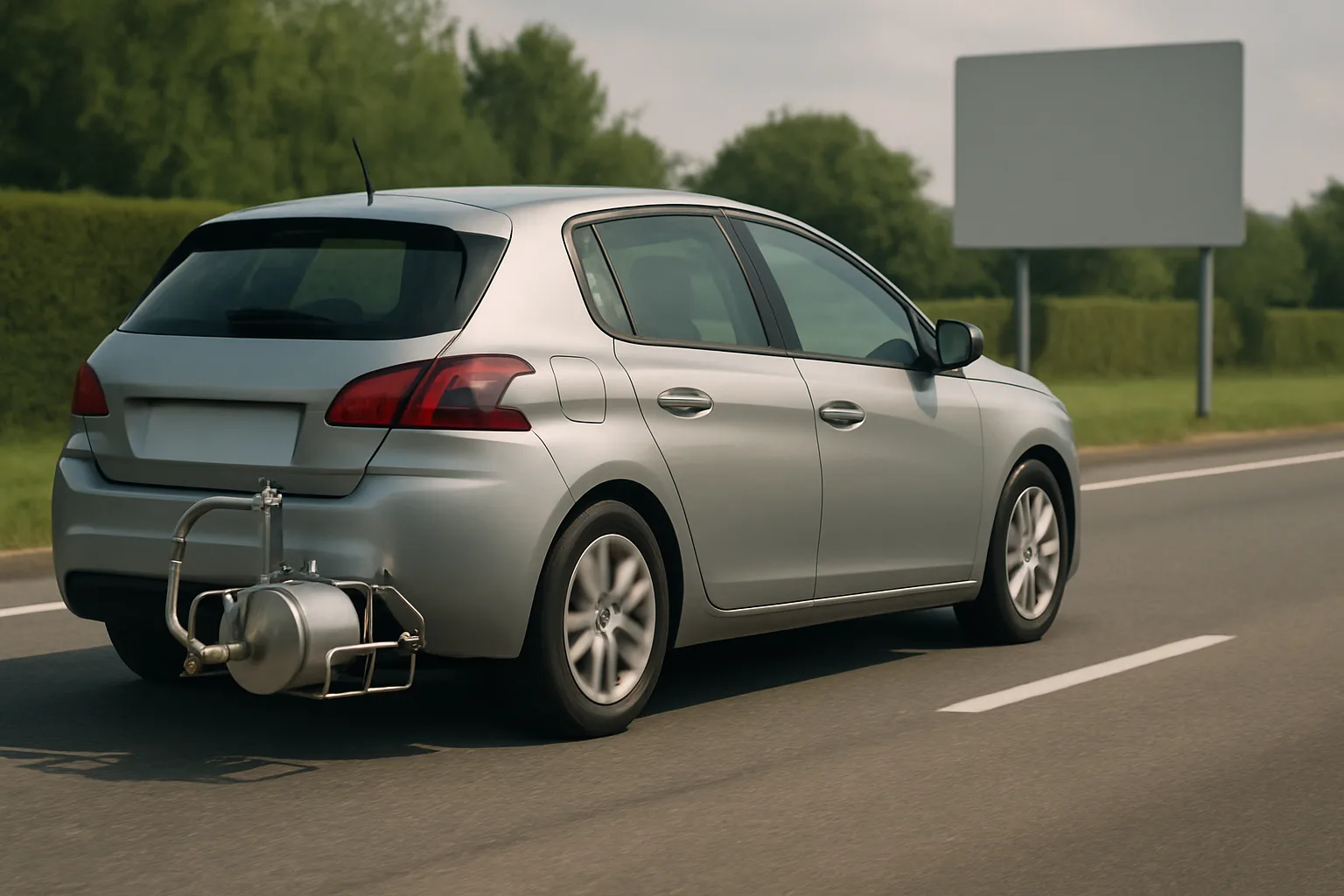
Peugeot Citroën has released a second set of real-world fuel consumption figures for its core models, once again highlighting a significant gap between laboratory test results and actual on-road fuel use. The latest report, covering 14 models tested on public roads, demonstrates that official figures continue to understate fuel consumption by a substantial margin.
PSA Real-World Fuel Consumption Tests: Big Discrepancies Persist
How PSA Conducted the Tests
The French automotive group evaluated models from Peugeot, Citroën, and DS over a 95 km route that included 25 km of urban driving, 39 km of rural roads, and 31 km of motorway conditions. Each car was loaded with passengers and luggage, and testers used air conditioning to better reflect typical driving scenarios. The testing protocol was developed in partnership with two non-governmental organisations, Transport & Environment and France Nature Environment, and was independently audited by Bureau Veritas. This approach aims to provide consumers with more accurate and transparent information than standard laboratory tests, which have long been criticised for failing to represent real-life conditions.
Model-by-Model Results
| Model | Official (l/100km) | Real-world (l/100km) | % Higher |
|---|---|---|---|
| Peugeot 3008 1.2 PureTech 130 | 4.9 | 7.6 | 55 |
| Peugeot 2008 1.2 PureTech 110 | 4.8 | 7.1 | 48 |
| Peugeot 308 1.2 PureTech 110 | 4.0 | 6.3 | 58 |
| Citroën C4 Picasso BlueHDi 120 | 3.9 | 6.5 | 67 |
| Citroën Grand C4 Picasso PureTech 130 | 5.0 | 7.4 | 48 |
Across the tested models, the average real-world fuel consumption was 44 percent higher than the official laboratory figures. Citroën models showed an average discrepancy of 39 percent, while DS vehicles were 40 percent higher. The largest individual gaps approached 70 percent, with even the smallest differences remaining above 40 percent. These findings confirm the persistence of a significant divide between lab and real-world results for fuel use.
Industry Context and Implications
PSA's decision to publish real-world consumption figures follows increased industry scrutiny after the Volkswagen diesel emissions scandal. The move reflects growing pressure from regulators and consumer groups for greater transparency in vehicle emissions and efficiency data. Recent government investigations in the UK and elsewhere have also highlighted widespread discrepancies between official and real-world emissions and fuel consumption figures, raising concerns for both environmental impact and consumer trust.
In response to these challenges, PSA plans to extend its real-world reporting programme to cover 20 additional models by the end of the year. The company has also announced the development of an online fuel simulator to help customers estimate their own likely fuel consumption based on individual driving conditions. This tool aims to provide practical guidance for car buyers and owners seeking more accurate information about running costs and environmental impact.
Testing Methodology and Auditing
The PSA tests are notable for their transparency and collaborative approach. By involving independent NGOs and an external auditor, PSA aims to set a higher standard for openness in reporting fuel consumption data. The protocol includes real-life variables such as passenger and luggage loads, varied road types, and the use of air conditioning, all of which are often excluded from laboratory tests. This comprehensive methodology is designed to better match the conditions drivers actually experience on the road.
Consequences for Consumers and the Industry
The ongoing discrepancies between official and real-world fuel consumption figures have direct consequences for car buyers. Consumers relying on laboratory data may underestimate the true cost of ownership, leading to higher-than-expected fuel expenses. The issue also affects environmental policy, as governments use official figures to set emissions targets and incentives. Persistent gaps between lab and real-world data complicate efforts to reduce vehicle emissions and improve air quality.
As more manufacturers face calls for transparency, PSA's approach could encourage others to adopt similar real-world testing and reporting practices. This shift would help restore consumer confidence and support more effective environmental regulation across the automotive sector.