Record recalls strain automotive supply chains in 2014
A surge in safety recalls, led by General Motors and Toyota, is putting intense pressure on global parts suppliers and causing delays for car owners and dealers.
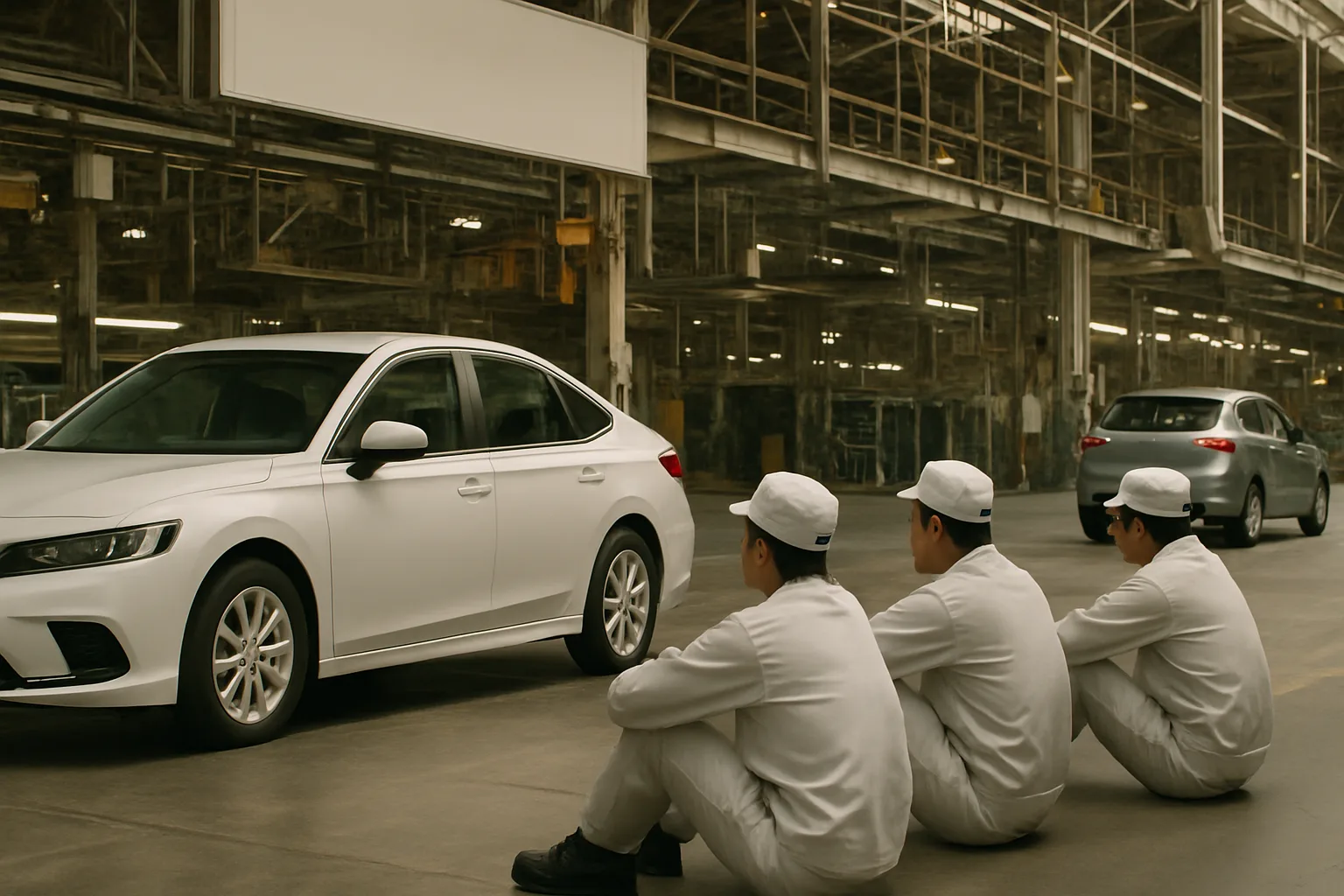
Automotive supply chains came under severe pressure in 2014 as a wave of safety recalls, led by General Motors and Toyota, forced manufacturers, suppliers and dealers to manage unprecedented volumes of replacement parts and customer repairs. GM alone had recalled nearly 14 million vehicles in the US by June, approaching the annualised sales forecast of 16.8 million new cars for the year.
The surge in recalls covered a wide range of components, from ignition switches and airbags to tyres and child seats. The scale of the problem quickly outstripped the industry’s capacity to supply replacement parts, leaving many owners and dealers waiting months for repairs. According to figures released by GM, only about 50,000 of the 2.6 million cars recalled for defective ignition switches had been fixed by April 2014, illustrating the backlog facing the company and its suppliers.
Parts shortages and repair delays
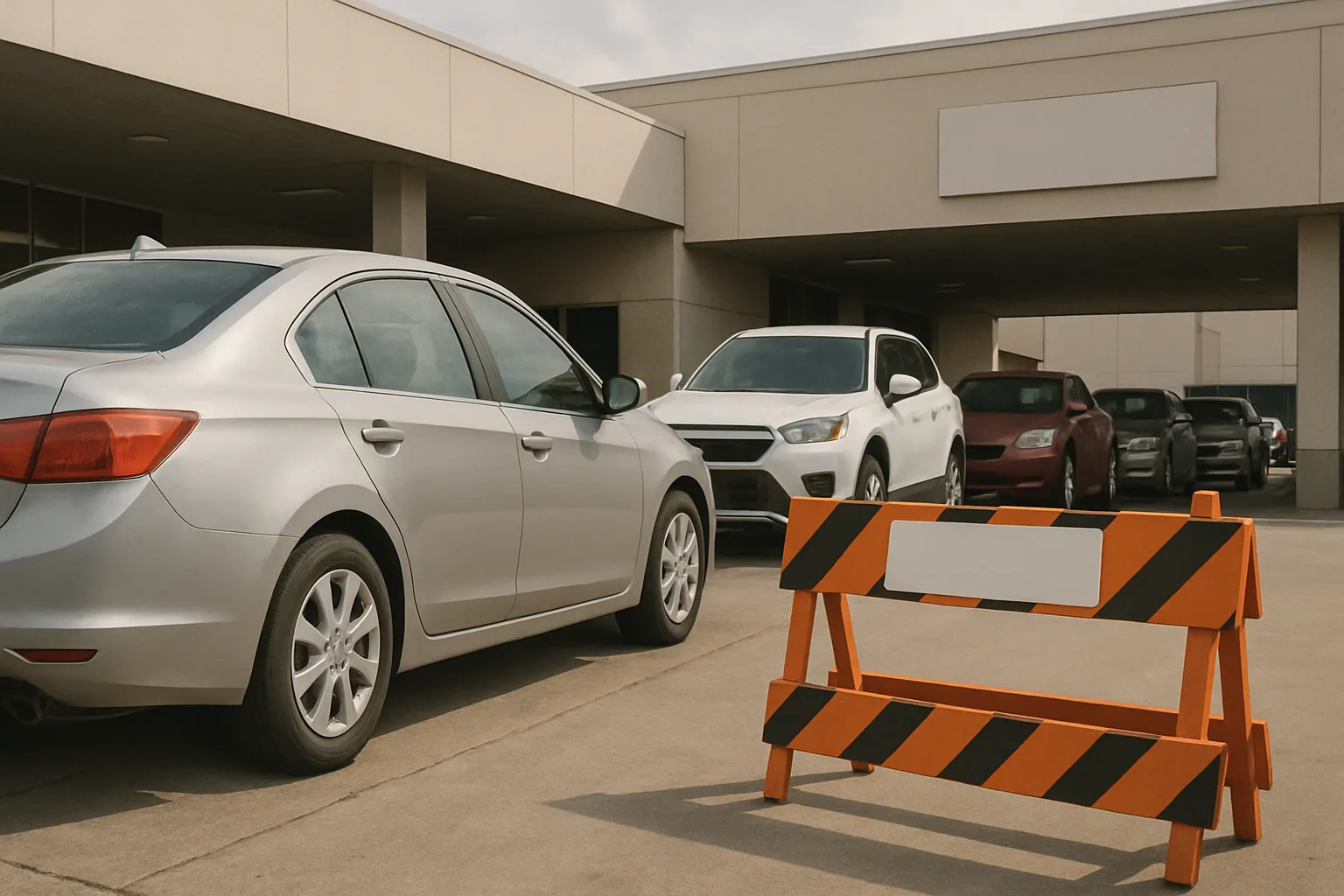
The sheer volume of recalls created bottlenecks throughout the supply chain. Parts manufacturers were forced to ramp up production at short notice, but lacked the immediate capacity to meet demand. Dealerships, already under pressure to process warranty work, were stretched by the influx of recall-related repairs. Used car networks also faced complications, with vehicles waiting on parts unable to be sold or transferred to new owners until rectified.
Suppliers producing critical safety components, such as airbag inflators and ignition switches, were particularly affected. The need to rapidly increase output led to concerns about quality control and further delays if new batches failed to meet regulatory standards. In some cases, the supply chain was forced to prioritise certain recalls over others, leaving some customers with extended waiting periods for their repairs.
Impact on manufacturers, dealers and owners
Manufacturers faced not only the direct costs of recall campaigns but also reputational damage and logistical headaches. Dealers had to allocate workshop time and staff to manage the surge in recall work, often at the expense of regular servicing and sales activities. Owners, meanwhile, encountered delays that sometimes stretched into the following year, with some being told their cars could not be repaired until parts became available.
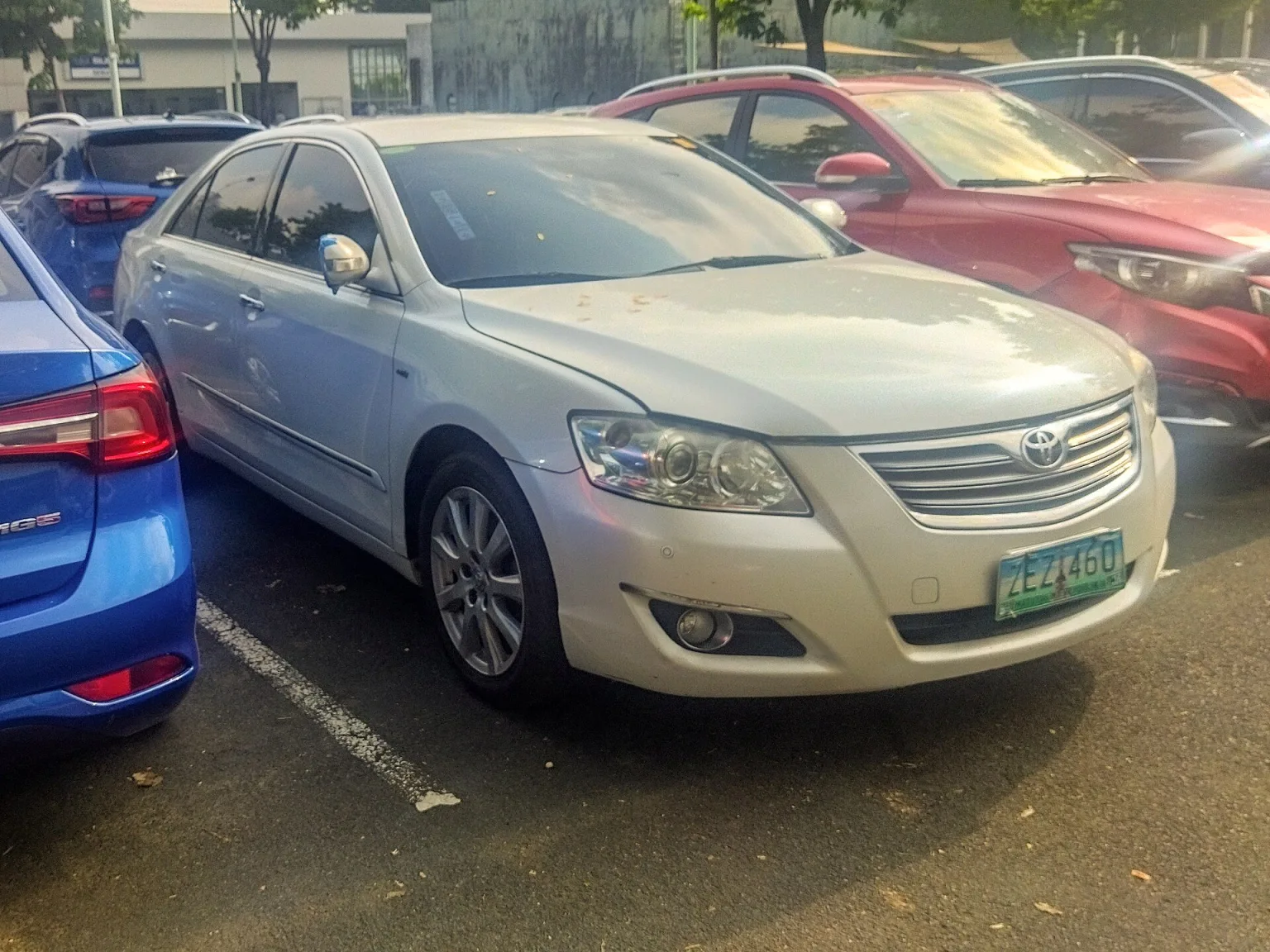
The recall pressure extended beyond the US. Global supply chains struggled to keep pace as recalls affected millions of vehicles from multiple manufacturers. The interconnected nature of parts sourcing meant that a problem with a single supplier could disrupt repairs worldwide. For example, the widespread Takata airbag recalls affected not just one brand but several, compounding the strain on suppliers and increasing the risk of further delays. Related stories, such as theToyota airbag recallandMitsubishi airbag recallhighlight the breadth of the issue.
Long-term supply chain lessons
The recall crisis of 2014 exposed vulnerabilities in the automotive supply chain, particularly the risks of relying on single suppliers for critical components. Manufacturers and suppliers have since reviewed contingency plans and increased focus on traceability, quality control and communication with dealers and customers. The events of 2014 remain a reference point for the industry in managing large-scale product recalls and their impact on operations.