Best Low Rolling Resistance Tyres Tested: Efficiency Without Compromise
Independent tests show that the latest low rolling resistance tyres can deliver real fuel or range savings without sacrificing wet grip or safety, with several models now outperforming older rivals.
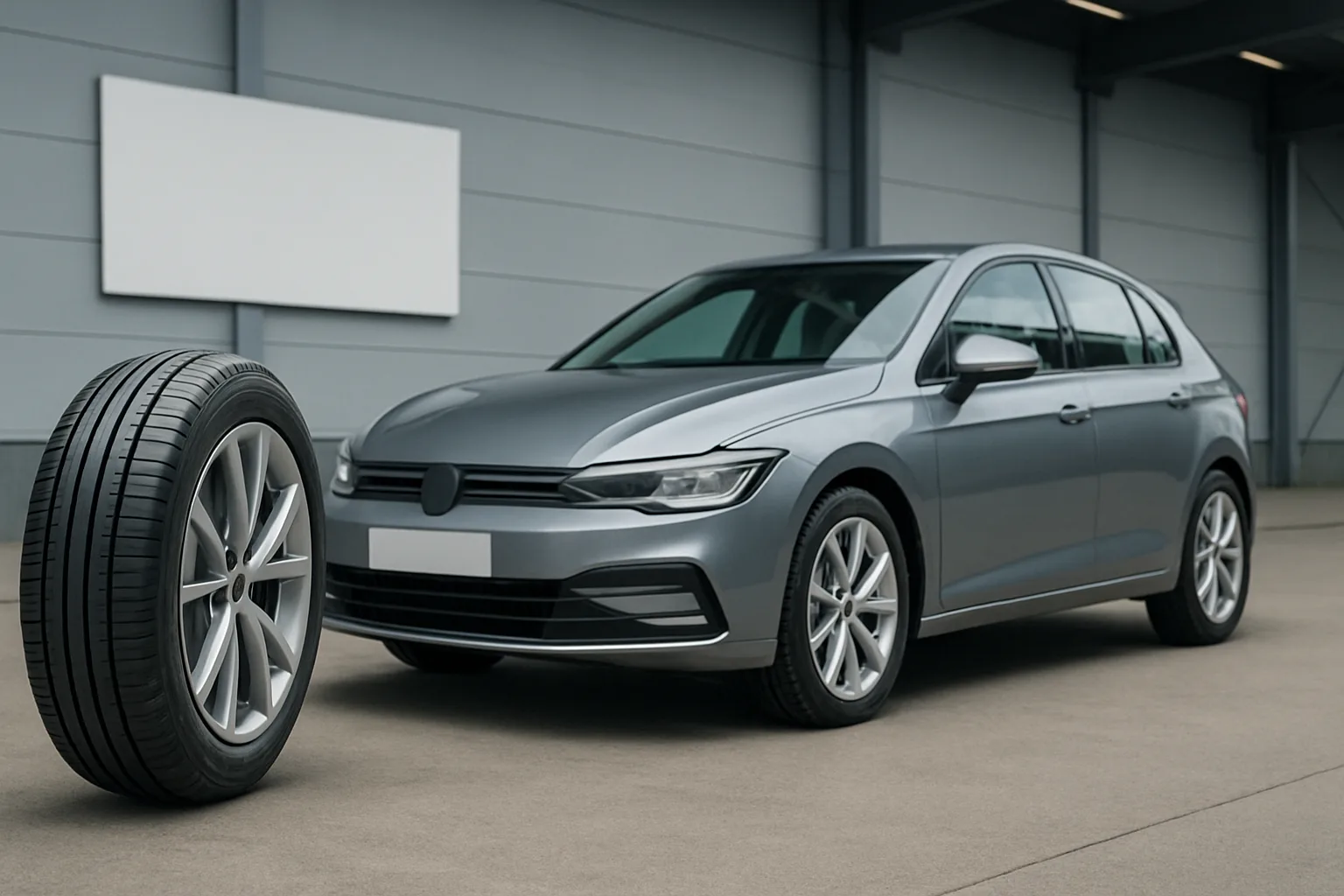
A new wave of low rolling resistance (LRR) tyres is helping drivers cut fuel bills and extend electric vehicle range, according to recent independent tests. With up to a 34 percent difference in rolling resistance between the best and worst performers, tyre choice now has a measurable impact on running costs for both petrol and electric cars.
How much can LRR tyres save?
Rolling resistance accounts for 4 to 11 percent of a car’s fuel consumption, according to the US Department of Energy. For electric cars, the effect is even more pronounced: tests show that switching from a standard tyre to a modern LRR model can cut energy use by 5–10 percent, delivering 15–35 miles of extra range on a 300-mile EV. Over the life of a set of tyres, that can mean savings of £200–£350 at today’s fuel prices, based on typical UK driving patterns.
Top LRR tyres on test in 2025
A recent comparative test by Poland’s Motor magazine, using the popular 205/55 R16 size, put seven LRR tyres through their paces on both petrol and electric cars. All but one tyre had the highest EU ‘A’ rating for rolling resistance, and most also achieved an ‘A’ for wet grip. Testing covered dry and wet braking, handling, aquaplaning, noise, comfort and, crucially, rolling resistance.
- Continental UltraContact NXT: Test winner, excelling in wet and dry grip, with good rolling resistance and high safety across all surfaces.
- Goodyear EfficientGrip Performance 2: Narrowly missed the top spot, leading on rolling resistance and noise, with strong safety.
- Michelin e.Primacy: Delivered the lowest rolling resistance and strong dry performance, though only average in the wet.
- Bridgestone Turanza T005: Reliable all-rounder, now replaced by the Turanza 6 in many sizes.
- Falken Ziex ZE310 Ecorun: Best value, stable performance in all tests at an attractive price.
The Nexen N’Blue S and Prinx XLAB Comfort EV also featured, with the Nexen winning the aquaplaning test but finishing mid-pack overall. The Prinx, aimed at EVs, scored lowest for wet grip and rolling resistance, highlighting that not all EV-labelled tyres deliver the best efficiency or safety.
Best LRR tyres for electric vehicles
For electric cars, the right LRR tyre can make a tangible difference to real-world range. Independent EV tyre tests in 2024 and 2025 show that models such as the Falken e.Ziex, Michelin e.Primacy, Hankook iON Evo, and Bridgestone Turanza Eco consistently deliver strong efficiency gains without sacrificing safety. The Hankook iON Evo stands out for combining low rolling resistance with excellent braking and handling, critical for heavier, high-torque EVs.
- Falken e.Ziex: Best range in independent EV tests, though only average wet braking.
- Michelin e.Primacy: Quiet, efficient, and balanced for daily use.
- Hankook iON Evo: Top performer for range and grip, ideal for heavier EVs.
- Bridgestone Turanza Eco: Chosen by several OEMs for factory fitment, prioritising efficiency and steering feel.
Continental’s EcoContact and UltraContact NXT lines also perform well, often trading a slight efficiency edge for superior wet grip and all-weather confidence. Pirelli’s Elect range targets EVs with reinforced construction and low rolling resistance, with the Cinturato Elect skewing towards efficiency and the P Zero Elect for those unwilling to compromise on steering response.
Safety and real-world performance
Recent test data confirm that drivers no longer need to choose between efficiency and safety. Many of the best LRR tyres now match or exceed rivals for wet braking and handling. Tyre wear also affects rolling resistance: new tyres typically have higher resistance, which drops as they wear down, but safety should always come first, replace tyres before tread drops below 2⁄32 inch.
Laboratory drum tests remain the industry standard for measuring rolling resistance, but real-world road surfaces introduce extra variables, such as vibration losses. While drum results are reliable for comparing tyres, buyers should still consult independent test data for a complete picture of grip, comfort and durability.
Choosing the right LRR tyre
The best LRR tyre for you will depend on your priorities: outright efficiency, wet grip, comfort, price or tread life. For most drivers, the latest premium and mid-range LRR models deliver meaningful fuel or range savings without sacrificing safety. When comparing tyres, consider not just the EU label but independent test results across all key disciplines.
For more on how tyre technology is helping manufacturers cut emissions, seeVolkswagen Passat BlueMotion launches in the UK with 95g/km CO2.