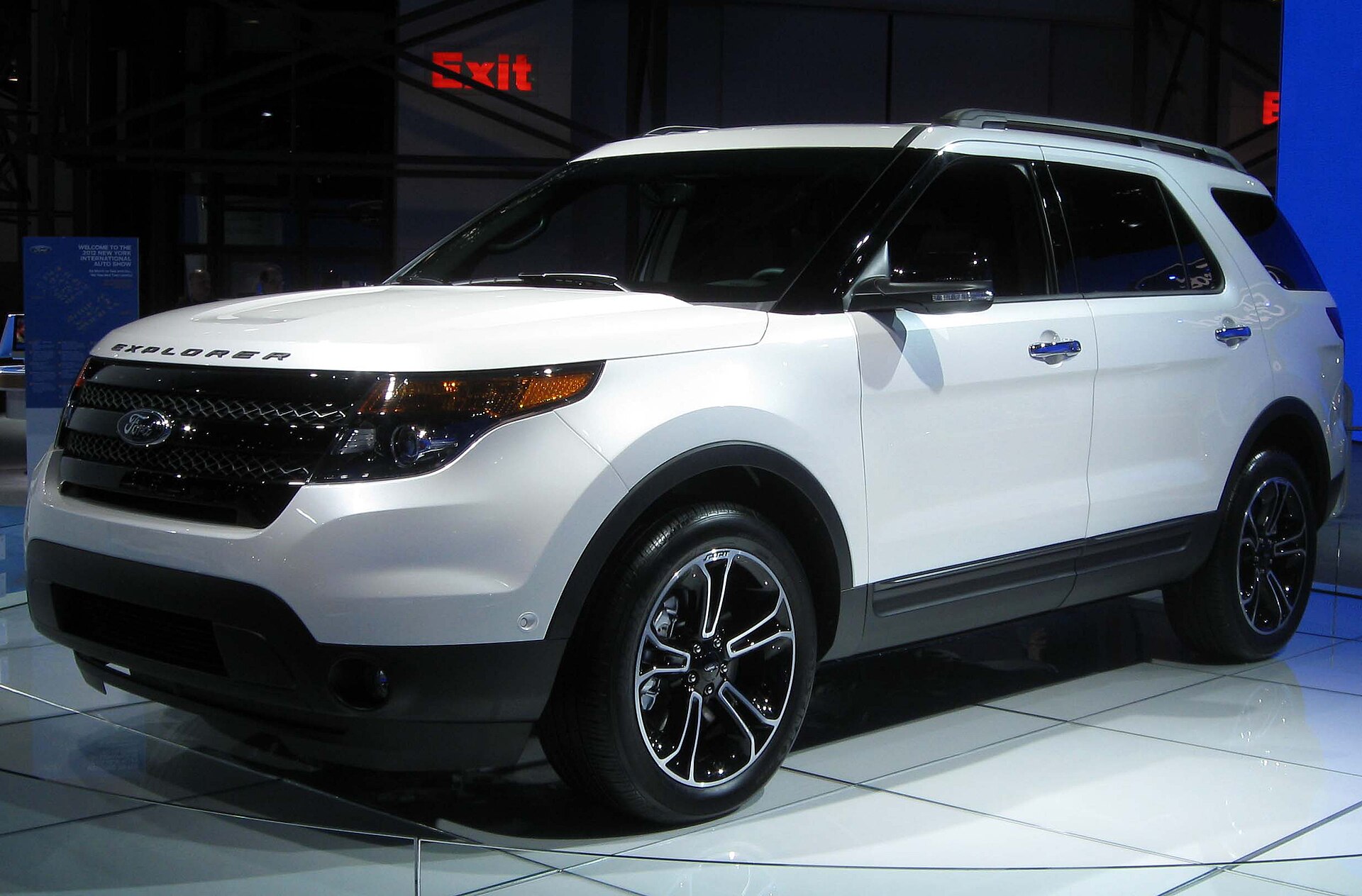
Ford Recalls Taurus, Explorer and Lincoln MKS Over Fuel Tank Safety
Ford is recalling over 3,000 Taurus, Explorer and Lincoln MKS vehicles in the US to address a fuel tank defect that could increase fire risk after a collision.
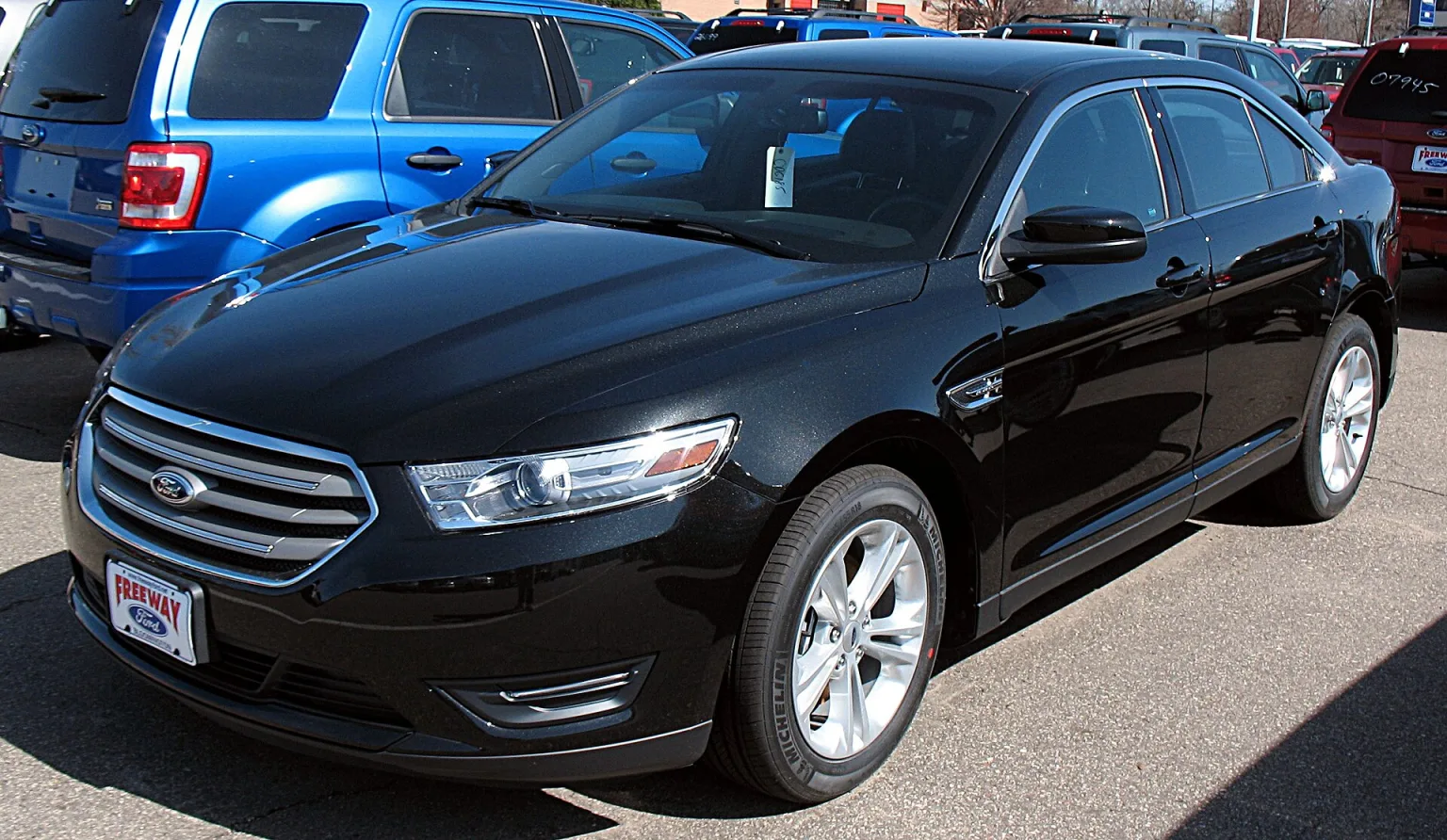
Ford Motor Company has issued a recall for a total of 3,037 vehicles in the United States, specifically targeting certain 2012 Ford Taurus, 2013 Ford Explorer and 2012 Lincoln MKS models. The recall stems from a manufacturing defect in the fuel tank, which may not have been properly sealed along a side seam. This defect could lead to fuel leaks, especially in the event of a collision, and significantly increases the risk of a fire if leaked fuel is exposed to an ignition source. The recall was announced in coordination with the National Highway Traffic Safety Administration (NHTSA).
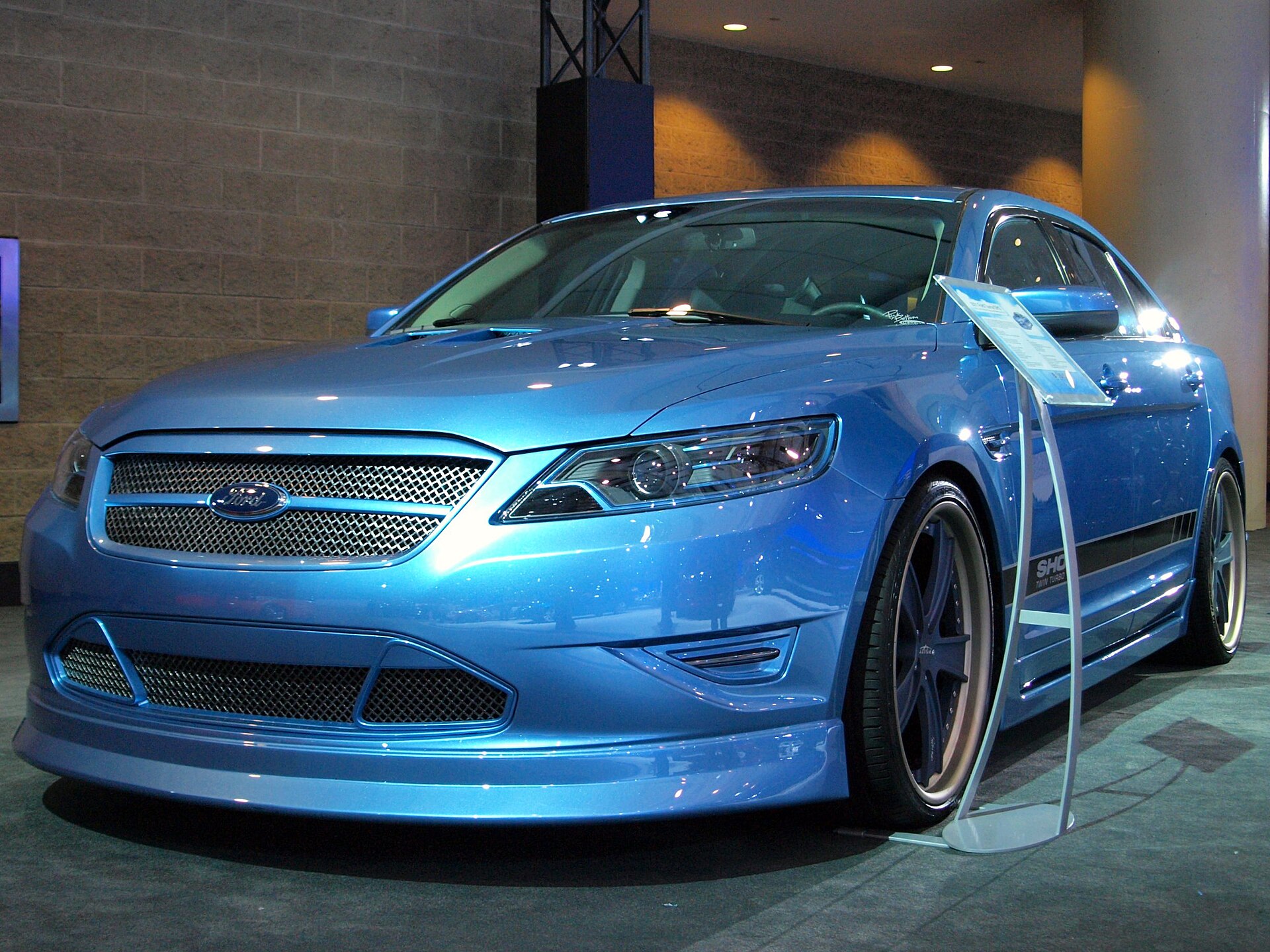
Overview of the Recall
Details of the Defect
According to the NHTSA, the affected vehicles may have fuel tanks with marginally sealed side seams. In a crash, these seams might not provide the expected level of strength, potentially allowing fuel to escape. If a fuel leak occurs and encounters an ignition source, the consequences could be severe, including fire and injury to vehicle occupants or others nearby. The manufacturing period for the recalled vehicles spans from 19 July 2011 to 15 March 2012.
Which Vehicles Are Affected?
- 2012 Ford Taurus
- 2013 Ford Explorer
- 2012 Lincoln MKS
All vehicles included in this recall were produced within the specified manufacturing window. Owners can determine if their car is affected by checking the build date, which is usually found on the driver’s door placard or in the vehicle’s documentation. If uncertain, owners can also contact their local Ford or Lincoln dealer for assistance in verifying their vehicle’s status.
What Owners Need to Do
Ford will notify affected owners directly, with recall notices scheduled to begin from 22 April 2013. Once notified, owners should arrange for their vehicle to be inspected at an authorised Ford or Lincoln dealership. If the inspection confirms the defect, the dealer will replace the fuel tank at no cost to the customer. This process is designed to minimise inconvenience and ensure the safety of drivers and passengers.
Until repairs are completed, owners are advised to remain vigilant for any signs of a fuel odour or visible fuel leakage. Should any such signs appear, it is important to stop driving the vehicle and contact a dealer or Ford customer service immediately. Prompt action can help reduce the risk of fire and injury.
Production and Notification Timeline
The affected vehicles were manufactured over an eight-month period, from July 2011 to March 2012. Ford has coordinated with the NHTSA to ensure that recall notifications reach owners in a timely manner, with official communication set to begin on 22 April 2013. This allows owners to schedule inspections and repairs as soon as possible. The recall process is part of Ford’s broader commitment to vehicle safety and customer care.
Safety Risks and Consequences
A fuel leak, especially following a collision, presents a serious safety hazard. If leaked fuel comes into contact with an ignition source, it could result in a vehicle fire, endangering occupants and others nearby. Even in cases where no fire occurs, a fuel leak can cause environmental contamination and may lead to costly repairs if not addressed promptly. This recall aims to prevent these risks by ensuring that all affected vehicles are inspected and repaired as needed.
Context and Previous Recalls
This recall is part of a series of safety campaigns by Ford in recent years, reflecting the company’s efforts to address potential risks in its US model range. Both Ford and Lincoln vehicles are included, highlighting the importance of quality control across multiple platforms. Previous recalls, such as those involving the Ford Escape, have prompted Ford to refine its recall procedures and improve communication with customers. For further information on Ford’s approach to recalls, see coverage of Ford CEO Alan Mulally’s response to earlier safety campaigns.
How to Check If Your Vehicle Is Affected
Owners who are unsure whether their vehicle is subject to the recall should check the build date on the driver’s door placard or consult their vehicle documentation. Alternatively, the Vehicle Identification Number (VIN) can be checked with a local dealer or through the NHTSA’s online recall database. Taking these steps can provide peace of mind and ensure that any necessary repairs are completed without delay.
Summary
The recall of 3,037 Ford Taurus, Explorer and Lincoln MKS vehicles due to a fuel tank defect is a reminder of the importance of vehicle safety and manufacturer responsibility. Owners of affected vehicles are encouraged to respond promptly to recall notifications and arrange for inspection and repair. By addressing potential safety risks, Ford aims to protect its customers and maintain trust in its products.