Land Rover Recalls Two 2015 SUVs for Engine Bolt Fault
A manufacturing error affecting the connecting rod bolts in two 2015 Land Rover SUVs has prompted a recall and free engine replacements for the affected owners.
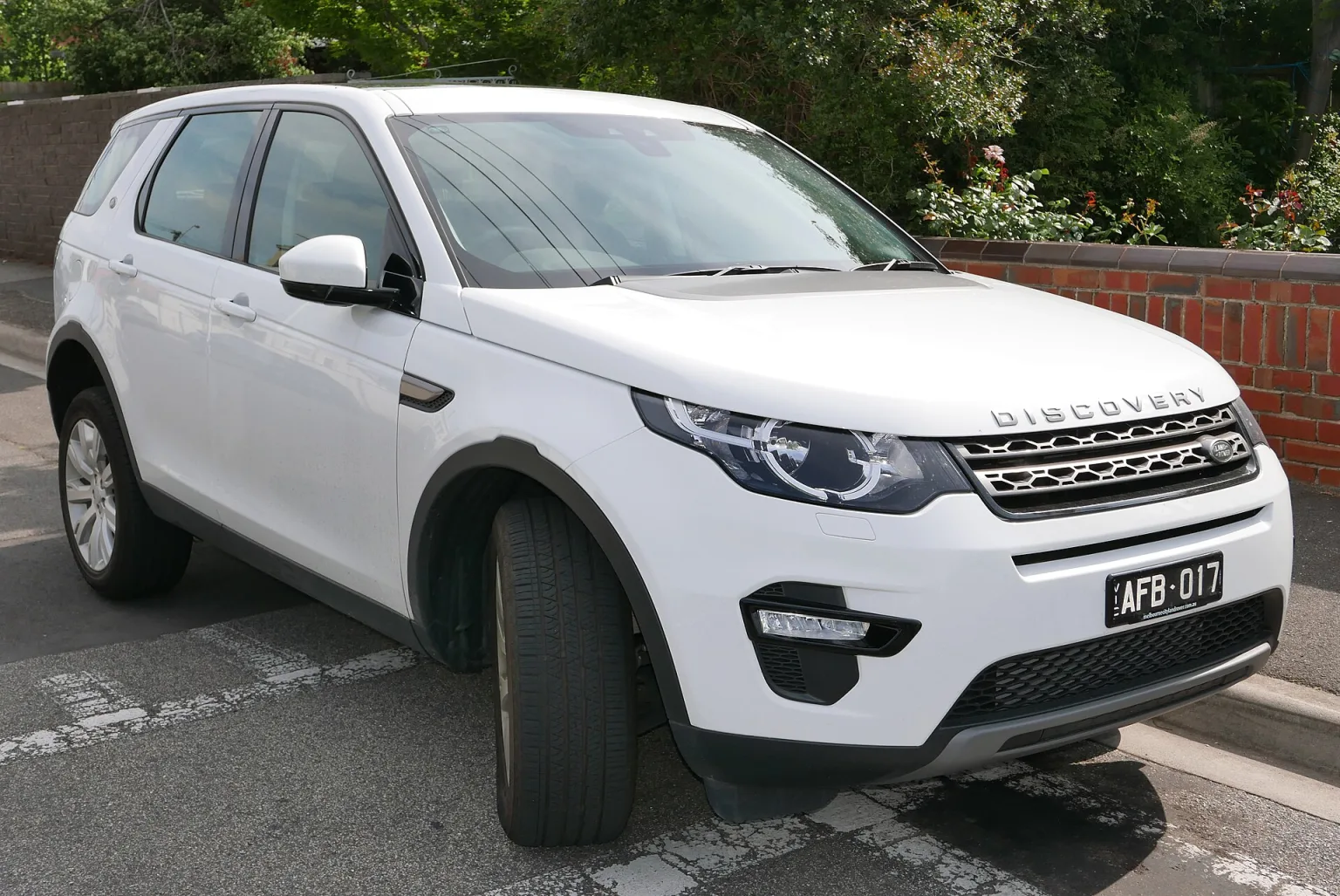
Land Rover has issued a recall for two 2015 model year SUVs in the United States after identifying a risk of engine seizure linked to incorrectly torqued connecting rod bolts. The recall affects one Range Rover Sport and one LR4, both fitted with the 3.0-litre V6 supercharged petrol engine.
Engine Bolt Torque Issue Identified
According to the US National Highway Traffic Safety Administration (NHTSA), the connecting rod bolts in the affected engines may not have been torqued to specification during assembly. If these bolts loosen, the connecting rod can detach from the crankshaft, leading to catastrophic engine failure. In the event the engine seizes while driving, the risk of a crash increases. This problem is confined to just two vehicles: a Range Rover Sport built on 16 November 2014 and an LR4 built on 11 November 2014.
Remedy and Notification Process
Land Rover will notify the owners of the affected vehicles directly. Dealerships are set to replace the entire engine at no cost to the customer, ensuring that the risk is fully addressed. The recall notifications are scheduled to begin on 2 April 2015. Owners seeking further information can contact Land Rover's customer service at 1-800-637-6837 or the NHTSA at 1-888-327-4236 for assistance.
Comparison with Wider Industry Recalls
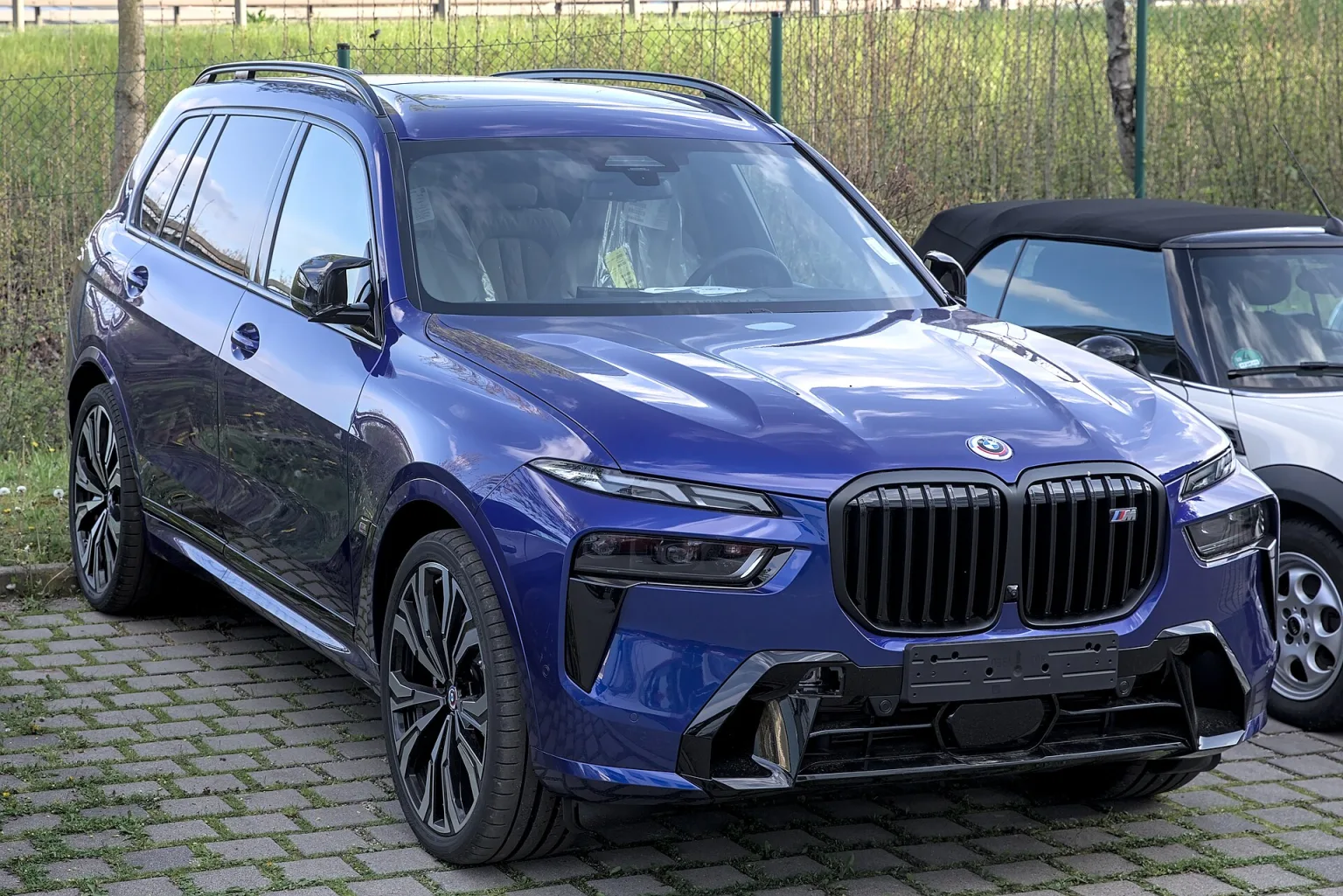
While the number of vehicles involved in the Land Rover recall is minimal, the underlying issue is not unique to the brand. Similar engine bolt problems have prompted much larger recalls at other manufacturers. For instance, BMW recalled over 150,000 vehicles in the United States for a comparable engine bolt fault. Such issues typically arise from errors in the assembly process, where critical fasteners are not tightened to the manufacturer's specifications. The Land Rover situation, though limited in scope, highlights the broader importance of precise assembly in engine manufacturing across the automotive industry.
- BMW recalled 156,000 US vehicles for engine bolt faults
- Other manufacturers have also faced recalls for engine assembly issues
The Land Rover recall stands out due to the extremely small number of affected vehicles, but the potential consequences of engine seizure, such as sudden loss of power and increased crash risk, are serious enough to warrant immediate attention from manufacturers and regulators alike. Even isolated incidents require a formal recall process to ensure customer safety and maintain trust in the brand.
Impact for Owners and Dealers
With only two vehicles affected, the practical impact for Land Rover owners and dealers is limited. Both vehicles will receive new engines, and there have been no reports of injuries or crashes related to this defect. For the owners, the recall means a temporary inconvenience but a comprehensive fix at no cost. For dealers, the recall process involves replacing the engine and ensuring that the vehicles meet all safety standards before returning them to customers.
This recall also illustrates the strict regulatory environment governing vehicle safety in the United States. Even when a manufacturing error is found in a single vehicle, manufacturers are required to report the issue and take corrective action. This approach is designed to protect consumers and uphold high safety standards across the industry.
Background: Previous Recalls and Regulatory Oversight
This is not the first time Land Rover has issued a recall for its SUVs. Prior to the engine bolt issue, the company announced a recall for front passenger airbag problems affecting the Range Rover and Range Rover Sport. Such recalls are part of a broader pattern in the automotive industry, where even minor assembly errors can lead to formal safety actions. The NHTSA closely monitors manufacturer reports and consumer complaints, and any indication of a safety-related defect can trigger an investigation and, if necessary, a recall.
Owners of Land Rover vehicles are encouraged to stay informed about recalls by checking the NHTSA database or contacting their local dealer. Prompt response to recall notices helps ensure that potential risks are addressed before they result in accidents or injuries.
Summary Table: Affected Models and Key Details
| Model | Build Date | Engine | Issue | Remedy |
|---|---|---|---|---|
| Range Rover Sport (2015) | 16 November 2014 | 3.0-litre V6 Supercharged | Improperly torqued connecting rod bolts | Engine replacement |
| LR4 (2015) | 11 November 2014 | 3.0-litre V6 Supercharged | Improperly torqued connecting rod bolts | Engine replacement |