Renault Restates Commitment to Iranian Market as Sanctions Ease
Renault has confirmed plans to expand its presence in Iran, aiming to accelerate production and model launches following the lifting of international sanctions in January 2016.
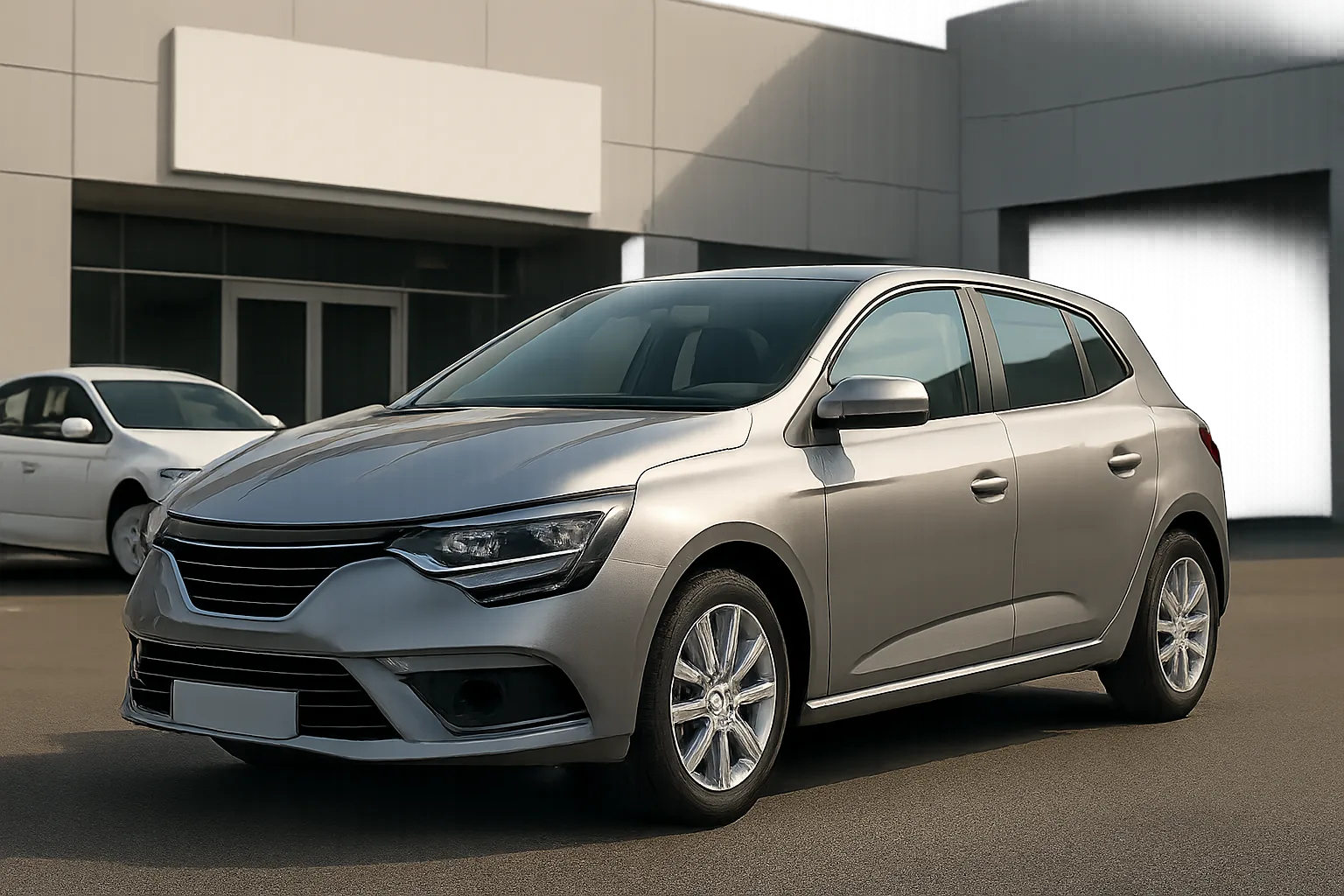
Renault has confirmed its intention to step up operations in Iran, targeting new model launches and greater local production after the lifting of international sanctions in January 2016. The French manufacturer said it is in advanced talks with domestic partners Saipa and Iran Khodro to expand its presence as the Iranian market reopens to foreign investment.
Renault's history and current position in Iran
Renault first established a foothold in Iran through Renault Pars, a joint venture with Saipa and Iran Khodro, more than a decade ago. The company has assembled close to 500,000 vehicles in the country since 2004. In 2015, it added the Logan Pick-up in partnership with Iran Khodro and the Sandero with Saipa to its local line-up. These models were assembled locally, supporting jobs and supply chains within Iran’s automotive sector.
The easing of sanctions on 16 January 2016 has opened the door for Western manufacturers to return to Iran, which Renault describes as a market with “undeniable potential”. The company has identified Iran as a strategic priority, citing forecasts of up to two million annual vehicle sales by 2020.
Competition from PSA Peugeot Citroën
While Renault has reaffirmed its ambitions, PSA Peugeot Citroën has moved quickly to secure a major deal. In late January 2016, PSA announced a 50:50 joint venture with Iran Khodro, committing €400 million over five years to revamp a Tehran-area factory and produce the Peugeot 208, 301, and 2008 models. Initial capacity is planned at 100,000 vehicles annually, with the potential to double output. This agreement has set a benchmark for foreign investment in Iran’s car industry as sanctions are lifted.
Next steps for Renault in Iran
Renault’s immediate plans depend on the restoration of banking relationships between France and Iran, which would allow financial transactions and investment to flow more freely. The company says it will intensify operations and prepare further model launches as soon as these conditions are met. Advanced discussions with Saipa and Iran Khodro are focused on scaling up production, enhancing local structures and supporting the wider Iranian automotive sector.
While PSA has already formalised its investment, Renault’s negotiations are ongoing. Iranian officials have indicated that further deals with French carmakers are expected in the coming months. For Renault, Iran remains a key growth market as it seeks to regain ground lost during the years of sanctions and to compete with European rivals now re-entering the market.