BMW and SGL Carbon Plan to Double Carbon Fibre Output
BMW and SGL Carbon are preparing to expand joint carbon fibre production to 6,000 tonnes annually, backed by over €100 million investment, to meet rising demand for lightweight materials.
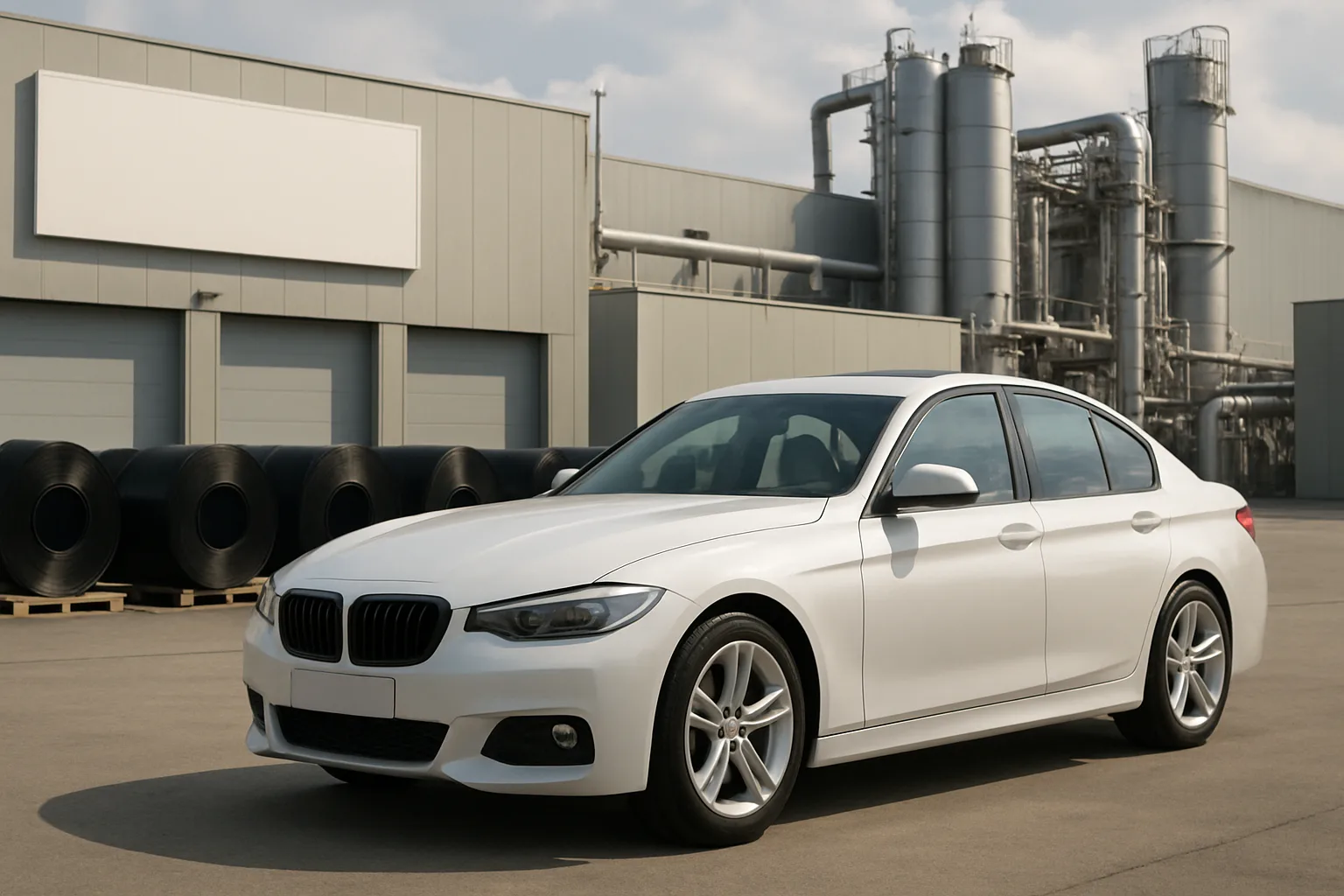
BMW and SGL Carbon are preparing to double their joint carbon fibre production capacity to 6,000 tonnes a year, according to reports in the German business press and sources familiar with the companies’ plans. The expansion, which would cover operations in both Germany and the United States, is expected to be supported by an investment of more than €100 million.
The move comes as BMW seeks to secure enough lightweight material for its electric i3 and hybrid i8 models. BMW has already reported strong interest in the i3, with more than 11,000 orders placed in Germany alone since its launch. The i8, which was due to reach customers from mid-2014, was already sold out for its first year of production at the time of the announcement.
Carbon fibre reinforced plastic (CFRP) is central to BMW’s lightweight strategy, particularly for electric and hybrid vehicles where weight savings directly benefit range and performance. The company’s partnership with SGL Carbon, established in 2009, has made BMW one of the few carmakers with direct access to large-scale carbon fibre supply. The planned expansion would further strengthen this position.
Expansion driven by demand for lightweight models
While neither BMW nor SGL Carbon formally confirmed the production increase at the time, both companies stated they were prepared for a scenario of growing demand. Reports in Handelsblatt and confirmation to Reuters from a source familiar with the matter indicated that the increased output was being driven by the market response to the i3 and i8, and by BMW’s plans to use carbon fibre in additional models.
German media cited the next-generation BMW 7 Series as a likely candidate for expanded use of carbon fibre, reflecting a broader push to integrate lightweight materials across the brand’s range. This would mark a shift from carbon fibre’s previous use in niche models to higher-volume applications, potentially influencing manufacturing processes and supply requirements across BMW’s portfolio.
Investment and production sites
The joint venture’s expansion is set to benefit both the German and US production sites. The Moses Lake facility in Washington state, opened in 2010, was designed to supply carbon fibre for BMW’s i models. The planned investment would increase output at Moses Lake and the German plant in Wackersdorf, supporting BMW’s global manufacturing network as it ramps up lightweight vehicle production.
The decision to scale up carbon fibre output reflects BMW’s expectation that lightweight construction will become a core requirement for premium vehicles, especially as emissions regulations tighten and electrification accelerates. The partnership with SGL Carbon positions BMW to respond quickly to changing market and regulatory demands, with in-house control over a critical supply chain component.