BMW in talks over possible Mexican plant for North America
BMW has confirmed early discussions with Mexican authorities about building a manufacturing plant, but any decision is tied to progress on a US–EU free trade agreement.
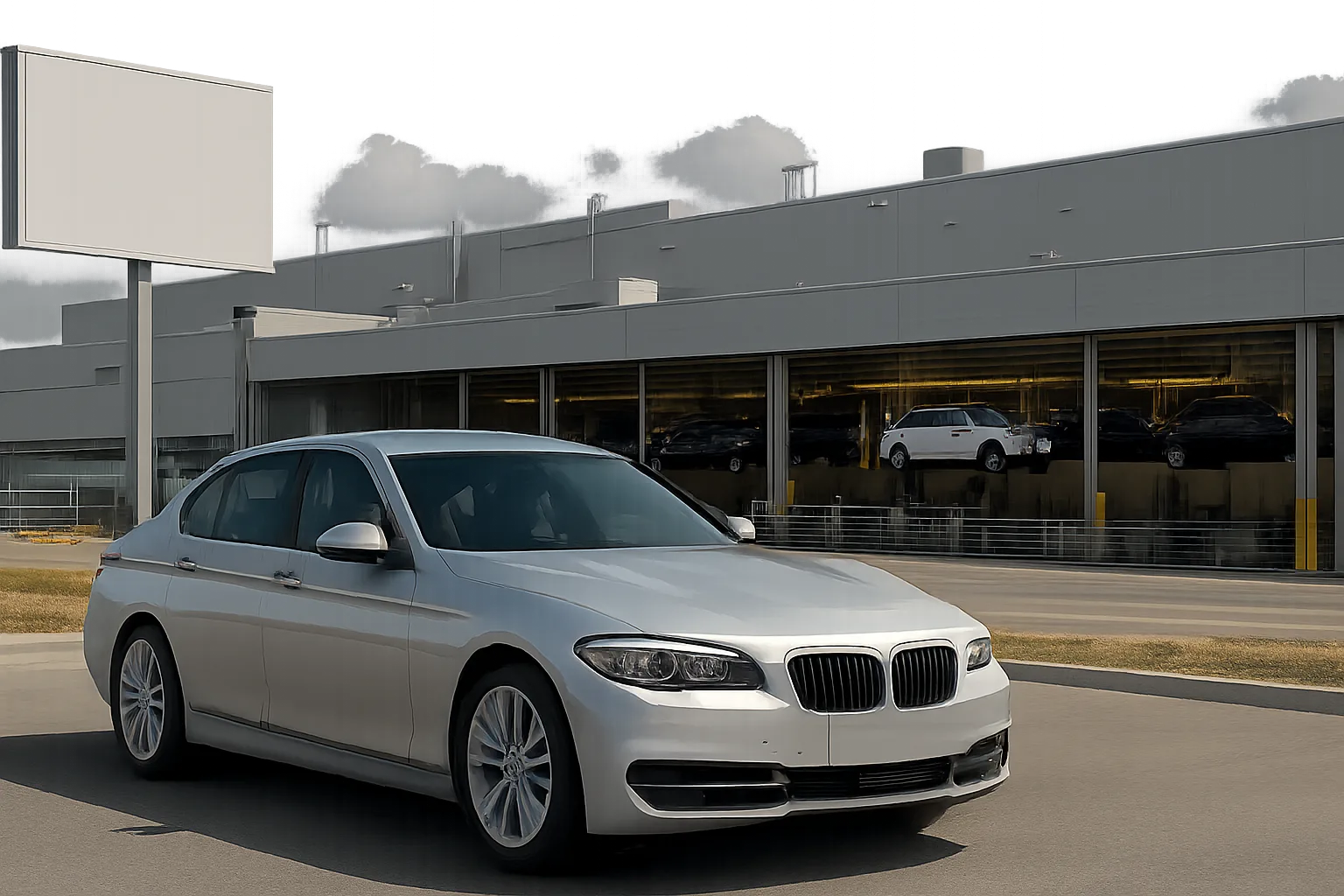
BMW has confirmed it is in preliminary discussions with local governments in Mexico regarding the potential construction of a manufacturing plant to support its North American operations. Ludwig Willisch, CEO of BMW of North America, stated that while talks have begun, the company has not yet decided on a location or which models would be produced if the project moves forward.
BMW Considers Mexican Plant for North American Expansion
- Discussions are at an early stage, with no commitment yet made.
- BMW has not specified which regions in Mexico are under consideration.
- No details have been released about which BMW models might be produced at the new plant.
Trade Agreements: A Decisive Factor
A key factor influencing BMW’s decision is the potential negotiation of a free trade agreement between the United States and the European Union. Willisch explained that such an agreement is a top priority for the company, as it would allow BMW and other automakers greater flexibility and a more favourable cost structure for expanding manufacturing in North America. Without this agreement, BMW is hesitant to commit to another major investment in the region.
The outcome of these trade talks will play a decisive role in whether or not BMW proceeds with the Mexican plant. The company is taking a cautious approach, weighing the benefits of expanded production against the uncertainties of international trade policy.
BMW’s Broader Expansion in the Americas
The consideration of a new plant in Mexico fits into BMW’s broader strategy for expanding its presence in the Americas. At the same time as these discussions, BMW was preparing for the launch of a $261 million plant in Santa Catarina, Brazil. This Brazilian facility was notable for its rapid development, taking only 23 months from groundbreaking to the production of the first vehicle.
| Location | Investment | Timeline | Notable Details |
|---|---|---|---|
| Santa Catarina, Brazil | $261 million | 23 months from groundbreaking to first vehicle | Fastest factory startup in automotive history |
| Potential Mexico plant | To be determined | Decision could take up to 10 years | Dependent on US–EU free trade agreement |
If constructed, a Mexican plant would complement BMW’s existing manufacturing base in the United States. The move would also align with a wider industry trend, as several global automakers have increased their investment in Mexico to take advantage of the country’s trade agreements, competitive labour costs, and proximity to key North American markets. Companies such as Ford and Kia have recently expanded their own operations in Mexico, highlighting the country’s growing role as a hub for automotive production.
Implications for BMW and the Automotive Industry
For BMW, establishing a plant in Mexico would provide the company with additional flexibility in serving the North American market. By producing vehicles closer to its customers and taking advantage of favourable trade conditions, BMW could potentially reduce costs and respond more quickly to market demands. However, the company’s leadership has made it clear that any commitment to Mexican production hinges on broader trade policy developments between the US and the EU.
- A US–EU free trade agreement could encourage BMW and other automakers to expand manufacturing in North America.
- If trade barriers remain, companies may delay or reconsider such expansions.
- Mexico’s role as an automotive production hub is likely to grow if more manufacturers invest.
Looking Ahead
BMW’s potential investment in a Mexican plant remains at an early stage, with several significant hurdles to clear before any final decision is made. The company’s current focus is on monitoring the progress of international trade negotiations and evaluating how these developments could shape its manufacturing strategy in the Americas. For now, BMW’s plans in Mexico are on hold, pending the outcome of these critical policy discussions.
As BMW continues to expand its footprint in the Americas, the automotive industry will be watching closely to see whether the company moves forward with its Mexican plant and how international trade policy will influence the next phase of automotive manufacturing in the region.