Toyota Deeside becomes first carbon-neutral plant outside Japan
Toyota's Deeside engine plant achieves carbon-neutral production using renewable energy, biomethane from local waste, and recycled aluminium, setting a template for its European factories.
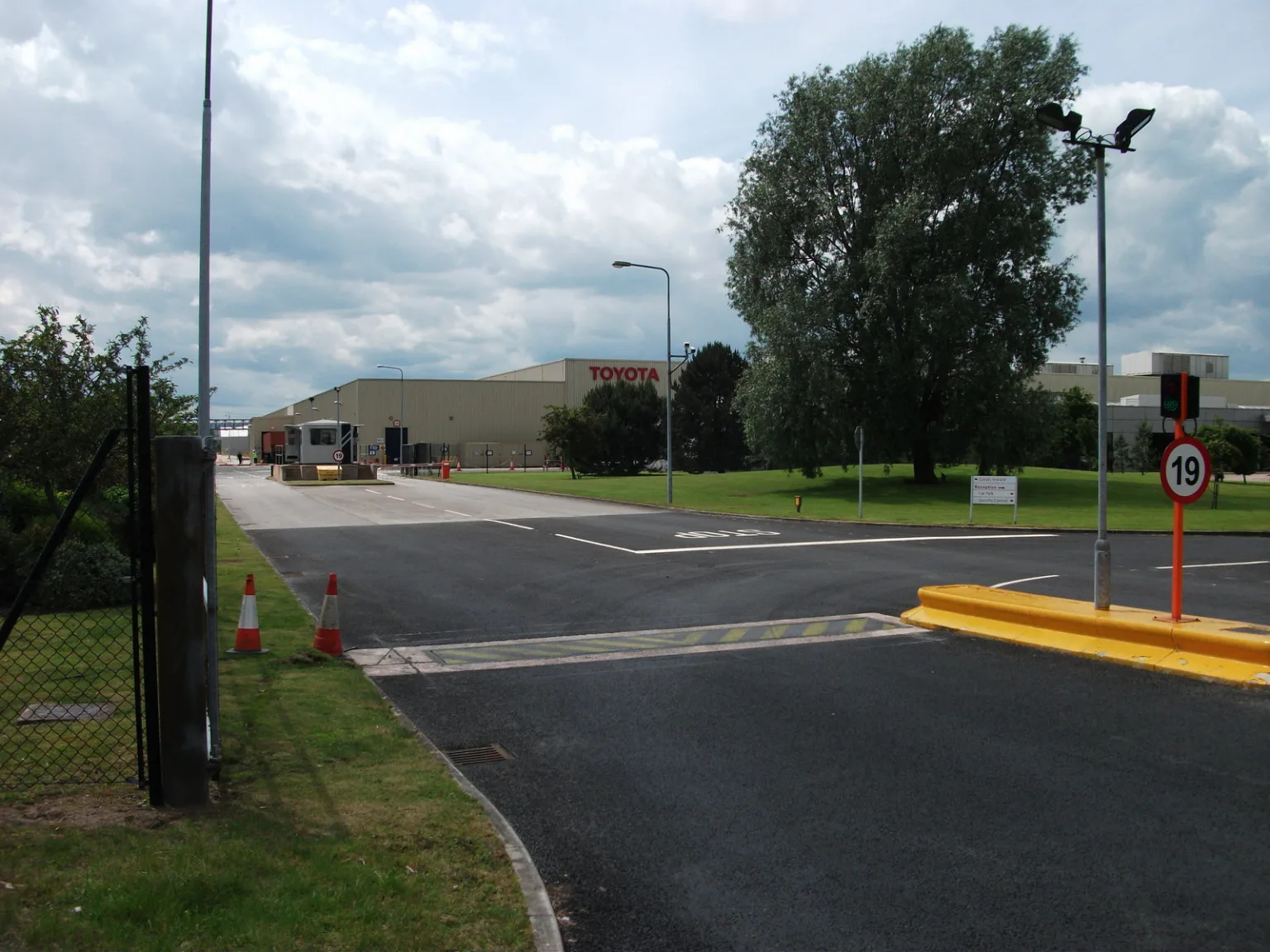
Toyota Motor Europe has achieved a significant milestone at its Deeside engine plant in the UK, making it the company’s first facility outside Japan to operate with carbon-neutral production. This development is part of Toyota’s broader strategy to reduce emissions and environmental impact across its manufacturing network.
Toyota Deeside achieves carbon-neutral production
How Deeside reached carbon neutrality
The transition to carbon-neutral production at Deeside was accomplished through a combination of measures. Central to this achievement is the installation of an anaerobic digester, a €329 million (£282 million) privately funded project. This digester converts local agricultural and food waste into biomethane gas, which now supplies the plant’s energy needs. By using this renewable source, the facility has eliminated reliance on fossil fuels for its operations.
Electricity for the Deeside plant is now sourced entirely from renewables, further reducing its carbon footprint. The site has also eliminated waste sent to landfill, ensuring that all by-products are either recycled or reused. In addition, the plant recycles aluminium from end-of-life alloy wheels, which is then used to manufacture new engine blocks. This approach not only reduces emissions from raw material extraction but also supports the circular economy by reusing valuable resources.
The anaerobic digester is a key element in the plant’s sustainability efforts. By converting local waste into biomethane, it provides a steady supply of renewable gas for production needs and saves nearly 3,000 tonnes of CO2 emissions each year. The digester project’s significant investment reflects Toyota’s commitment to innovative solutions for decarbonising manufacturing.
Engine production and European strategy
Toyota Manufacturing UK (TMUK) Deeside is the European centre for the production of 1.8-litre hybrid and petrol engines. These engines are primarily used in the Toyota Corolla and Toyota C-HR models, which are assembled at other Toyota plants in Europe. Since it began operations in 1992, the Deeside facility has produced more than six million engines, supplying both European and global markets.
The carbon-neutral achievement at Deeside forms part of Toyota Motor Europe’s wider environmental strategy. The company has announced plans to make all its European manufacturing sites carbon neutral by 2030. This is an intermediate step towards Toyota’s overall goal of achieving complete carbon neutrality across its European business operations by 2040. The Deeside plant’s success serves as a model for other Toyota facilities in the region, demonstrating practical steps for reducing emissions and integrating renewable energy into industrial processes.
Sustainability initiatives at Deeside
Beyond energy supply and waste management, Deeside has implemented a range of sustainability initiatives. The use of recycled aluminium from end-of-life alloy wheels for new engine blocks minimises the need for virgin materials and reduces energy consumption associated with metal production. The plant’s zero-waste-to-landfill policy ensures that all production waste is either recycled or converted into energy, supporting the broader aim of circular resource use.
In addition, the site’s focus on energy efficiency includes the adoption of advanced manufacturing technologies and continuous process improvements. These efforts contribute to the overall reduction of greenhouse gas emissions and support Toyota’s reputation as a leader in sustainable manufacturing practices.
Impact and future outlook
The Deeside plant’s transition to carbon-neutral production is expected to have a positive impact on both the local community and Toyota’s supply chain. By sourcing waste locally for the anaerobic digester, the plant supports regional waste management efforts and creates opportunities for collaboration with local businesses and farms. The reduction in CO2 emissions, nearly 3,000 tonnes annually, contributes to the UK’s national targets for decarbonisation and sets a benchmark for other manufacturers operating in the country.
Looking ahead, Toyota plans to replicate the measures implemented at Deeside across its other European manufacturing sites. The company’s goal of achieving carbon neutrality at all European plants by 2030 will require continued investment in renewable energy, waste reduction, and circular resource management. The Deeside facility’s experience provides valuable lessons for scaling up these initiatives and driving progress towards a more sustainable automotive industry.
Annual CO2 savings at Deeside
- Anaerobic digester converts local waste into biomethane, saving nearly 3,000 tonnes of CO2 per year.
- Switch to 100% renewable electricity eliminates emissions from power use.
- Zero waste to landfill reduces indirect emissions from waste disposal.
- Recycled aluminium use lowers emissions from raw material extraction and processing.