Ford to Shift Truck Production Back to US Plants
Ford prepares to move truck manufacturing to US sites as small car output leaves Michigan Assembly, with the Ranger pickup a likely replacement.
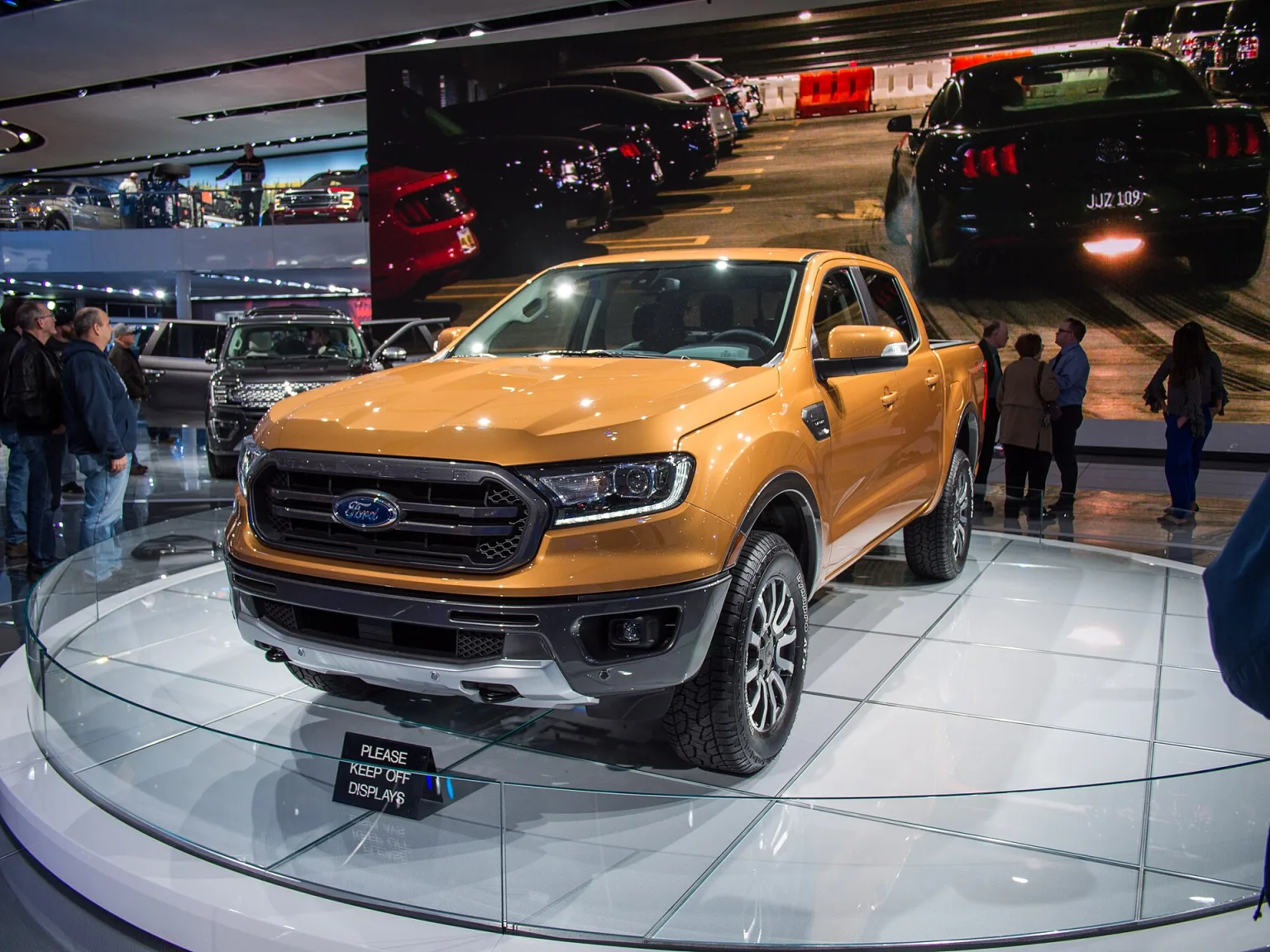
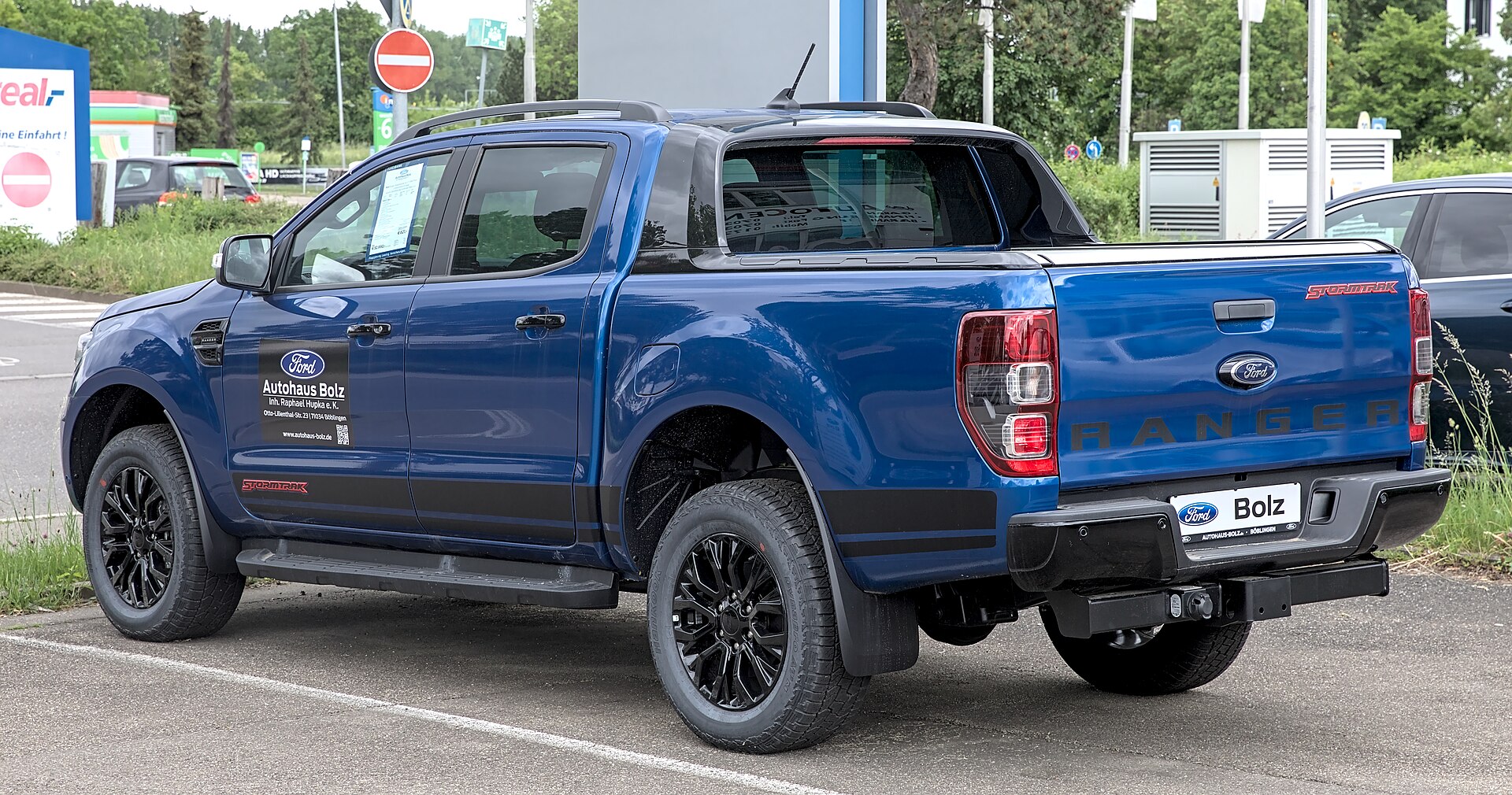
Ford is preparing to move production of pickup trucks back to US factories, with the Michigan Assembly Plant in Wayne, Michigan, expected to build the Ranger midsize pickup after the Focus and C-Max models leave the site in 2018.
The move comes as Ford phases out small car production at its Michigan Assembly Plant. According to the company, next-generation Focus and C-Max models will no longer be built in Wayne from 2018. While Ford has not officially confirmed the next product for the plant, sources within the United Auto Workers (UAW) and industry reports point to the return of the Ford Ranger to US production, likely at the same site.
Ford's decision follows a broader trend among US carmakers to shift away from low-margin small cars and towards higher-profit trucks and SUVs. The company has already announced plans to drop traditional sedan models in North America, citing declining demand for small vehicles. Sales of the C-Max hybrid fell 16 percent in the first half of the year, while Focus sales were down 3 percent year to date (source 1).
Ranger Pickup Likely for Michigan Assembly
Industry reports suggest the Ford Ranger, last sold in the US in 2011, is the frontrunner to replace the outgoing small cars at Michigan Assembly. The global T6 Ranger has been produced overseas since 2012, but a US-specific version is under discussion between Ford and the UAW. The revived Ranger would target the midsize pickup market, competing with models such as the Chevrolet Colorado and GMC Canyon. Ford has not commented publicly on the exact model to be produced, but confirmed it is “actively pursuing future vehicle alternatives” for the Michigan plant (source 4).
The plant, previously known as Michigan Truck, was converted to small car production in 2010 with the help of a $5.9 billion federal loan. Its reconversion to truck output marks a reversal in Ford’s US manufacturing strategy, reflecting changing consumer preferences and profit margins. Talks with the UAW are focused on securing future product commitments for the plant’s workforce.
No Net Job Losses Expected
Ford has stated that the reshuffling of production will not result in job cuts. Around 700 positions were lost earlier with the elimination of a third shift, but the company and the UAW both say they are confident that new vehicle production will keep the Michigan Assembly Plant operating at full capacity. In parallel, Ford is shifting 500 workers from a Kentucky plant making crossovers to its truck and large SUV lines, and another 500 to a Michigan transmission plant supporting pickup output (source 2).
- Focus and C-Max production ends at Michigan Assembly in 2018
- Ranger pickup tipped for US production at Wayne plant
- No net job losses expected as workers are reassigned
- Ford increasing emphasis on trucks and SUVs in North America
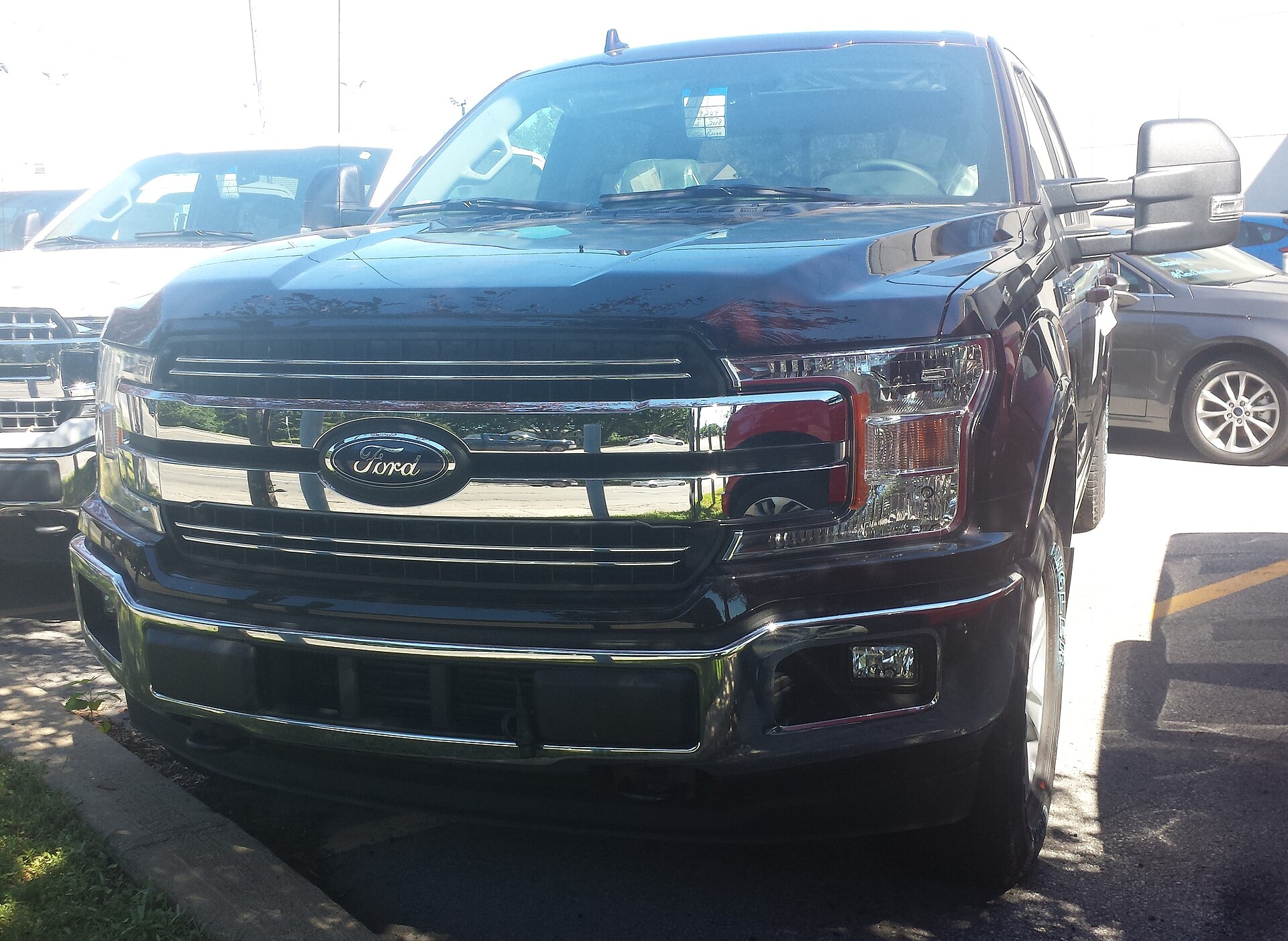
The changes at Ford contrast with recent announcements from General Motors, which is closing several US plants and cutting thousands of jobs as it reduces sedan production. Ford’s strategy aims to match output with demand, focusing on its best-selling F-Series trucks and the anticipated return of the Ranger to the US market.
What It Means for US Truck Manufacturing
Ford’s shift in production strategy reinforces the company’s commitment to US truck manufacturing. The F-Series remains the company’s most lucrative line, accounting for 28 percent of total sales and generating $41 billion in revenue in 2017 (source 3). By moving more truck output to US plants, Ford is responding to both consumer demand and political pressure to maintain American manufacturing jobs.
Final confirmation of the Ranger’s return to Michigan is pending further negotiations with the UAW, but the direction of travel is clear: Ford is betting on trucks, not small cars, to anchor its US manufacturing for the coming years.