Intel and Google’s Quiet Eight-Year Autonomous Driving Partnership Revealed
A recent report has uncovered that Intel and Google have quietly collaborated on autonomous vehicle technology for eight years, explaining the advanced capabilities of Waymo’s self-driving systems.
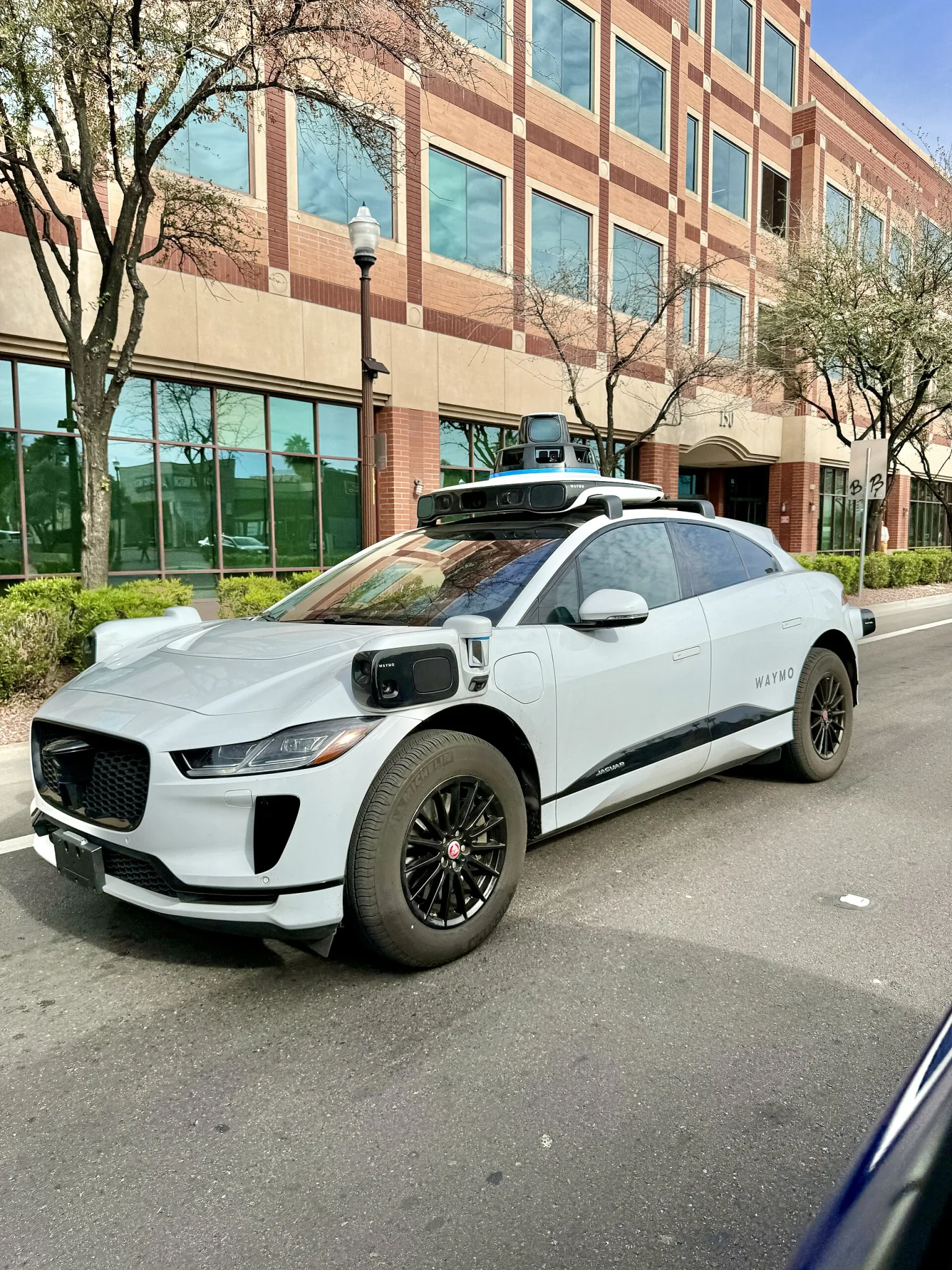
Intel and Google have reportedly maintained a behind-the-scenes partnership on autonomous driving technology for the past eight years, according to a recent report. The collaboration, which began well before many rivals entered the field, has played a key role in the development of Waymo’s self-driving systems.
The partnership’s existence sheds light on why Waymo, Google’s self-driving car project now operating as a subsidiary under Alphabet, maintains a lead in autonomous vehicle testing and deployment. Waymo currently operates the largest autonomous test fleet globally, with around 600 vehicles undergoing trials in the United States. Intel’s high-performance processors have been integrated into Waymo’s hardware, supporting the demanding computational requirements for Level 4 and Level 5 autonomous driving.
Waymo’s chief executive, John Krafcik, has previously acknowledged the need for increasingly powerful and efficient computing as the company’s autonomous technology advances. Intel’s hardware provides the processing power needed for the complex sensor fusion, mapping, and decision-making algorithms that underpin fully driverless operation.
Intel’s wider automotive strategy
Intel’s interest in autonomous vehicles has not been limited to its work with Google. The company made headlines with its $15 billion acquisition of Mobileye, an Israeli specialist in advanced driver-assistance systems. Intel has also formed partnerships with BMW, Delphi and Fiat Chrysler Automobiles, aiming to expand its reach in the automotive sector.
- Intel’s Mobileye acquisition in 2017 for $15 billion.
- Partnerships with BMW, Delphi and FCA on autonomous projects.
- Supplying processors and computing platforms to multiple automakers.
The early and sustained collaboration with Google has given Intel a direct stake in the most advanced autonomous vehicle programmes. For Google, access to Intel’s hardware has enabled rapid progress in a field where processing power is critical.
Waymo’s lead in autonomous testing
Waymo’s ability to run a large-scale autonomous fleet and gather extensive real-world data has set it apart from other technology and automotive firms. The longstanding relationship with Intel is a factor in this progress, providing the technical foundation for Waymo’s ongoing trials and future commercial services. For further background on Google’s autonomous ambitions, seeGoogle’s push accelerates autonomous car development.